Let's face it, the sun is a powerhouse – a giant, radiating ball of energy just waiting to be tapped. And who wouldn't want to harness that power to fuel their homes, reduce their carbon footprint, and maybe even stick it to the man (or, you know, the electric company)? That's where solar power comes in, and at the heart of every solar system is the unsung hero: the solar inverter.
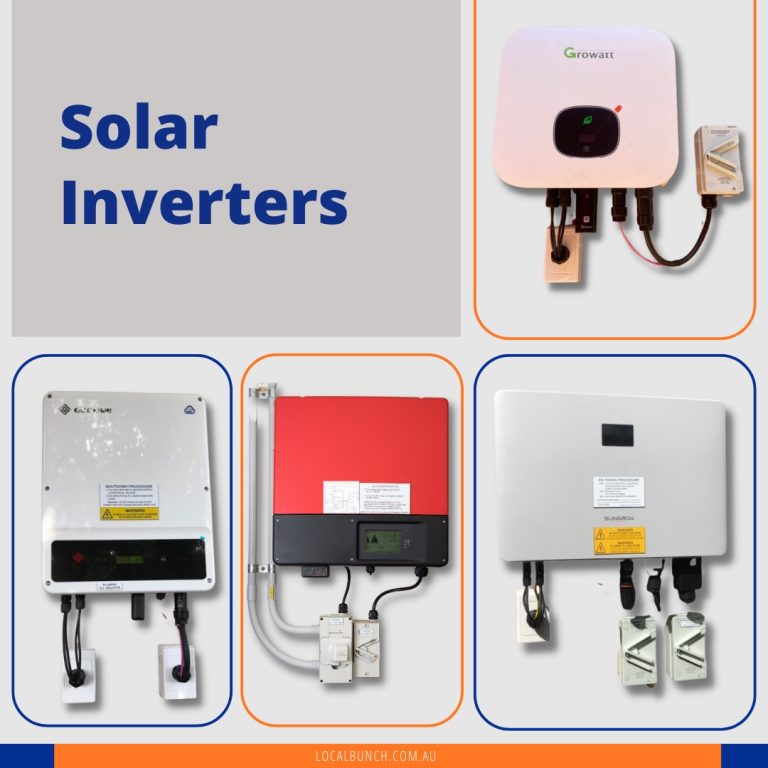
Think of your solar panels as little chefs, diligently whipping up direct current (DC) electricity. Now, your appliances, your lights, your entire house? They prefer alternating current (AC). That’s where the inverter swoops in, acting as the master translator, seamlessly converting that DC power into the AC power your home can actually use. Without it, your solar panels would be just pretty decorations on your roof!
The benefits are clear: reduced electricity bills, a smaller environmental impact, and a sense of energy independence. Solar power is popping up everywhere, from residential rooftops to massive solar farms. You see it powering homes, businesses, even charging stations for electric vehicles. It's becoming an increasingly common and practical way to generate electricity.
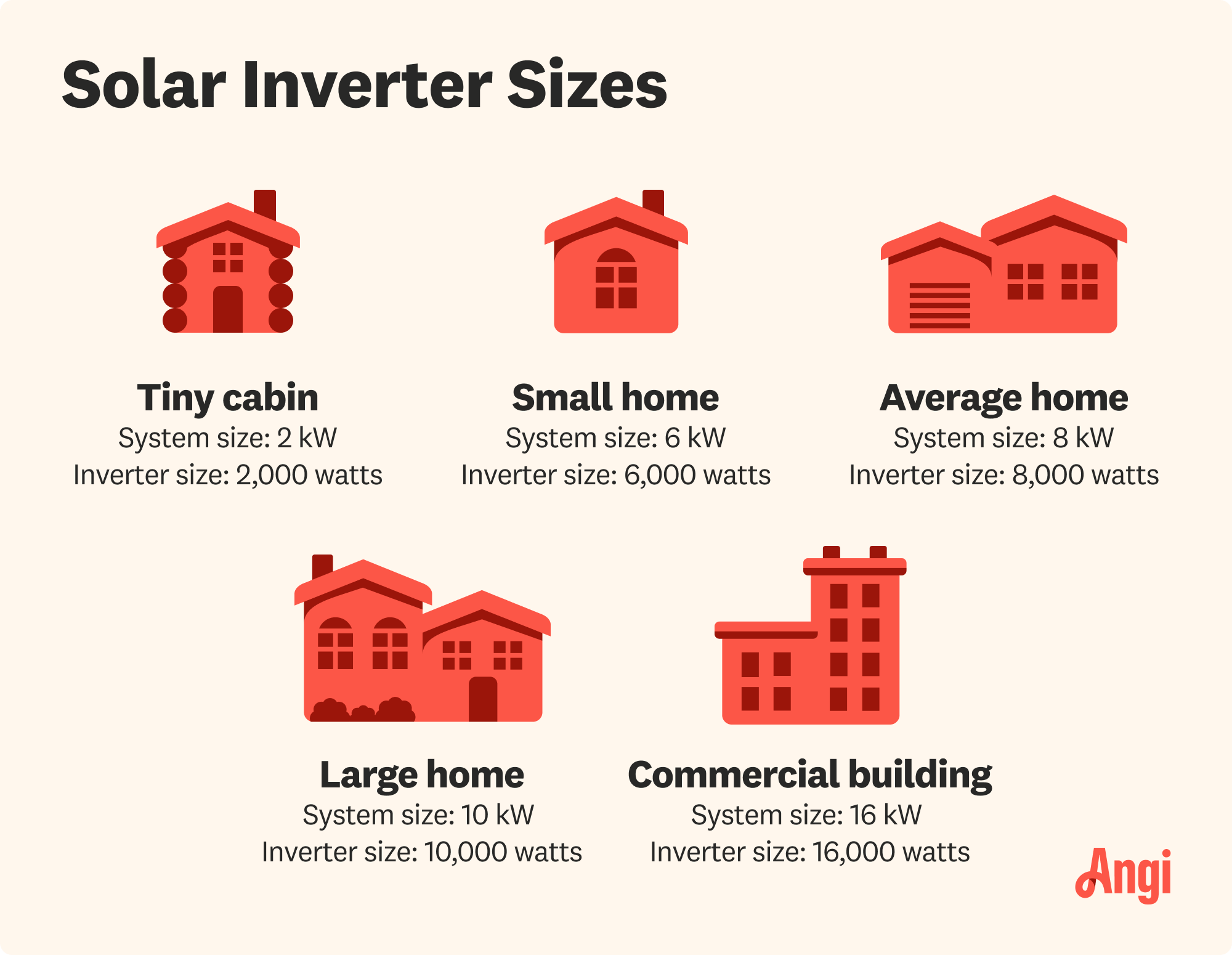
But here’s the kicker: getting the right size solar inverter is absolutely crucial. It's not a one-size-fits-all situation. An undersized inverter will clip production, meaning you won't be utilizing the full potential of your solar panels. An oversized inverter is just a waste of money – you’re paying for capacity you’ll never use. So, how do you find that sweet spot?
Here are some practical tips to help you size your inverter effectively:
- Know your solar panel wattage: This is the total power your panels can produce under ideal conditions (e.g., you have a 5kW solar array).
- Consider the DC-to-AC ratio: This is the ratio of your solar panel wattage to your inverter's AC output. A common ratio is 1.2:1, meaning a 5kW solar array might be paired with a 4.2kW inverter. However, this can vary depending on your location and shading. A good installer can help you determine the optimal ratio.
- Think about future expansion: Planning to add more solar panels later? Size your inverter with some extra headroom.
- Consult with a qualified solar installer: This is perhaps the most important tip. A professional can assess your energy needs, roof orientation, shading, and local climate to recommend the perfect inverter size for your specific situation. Don't be afraid to get multiple quotes and ask lots of questions! They can explain the pros and cons of different inverter models, like string inverters, microinverters, and power optimizers.
- Read reviews and do your research: Not all inverters are created equal. Look for reputable brands with good warranties and high efficiency ratings.
Choosing the right solar inverter can seem daunting, but with a little research and the help of a qualified professional, you can ensure you're getting the most out of your solar investment. Happy solar-ing!