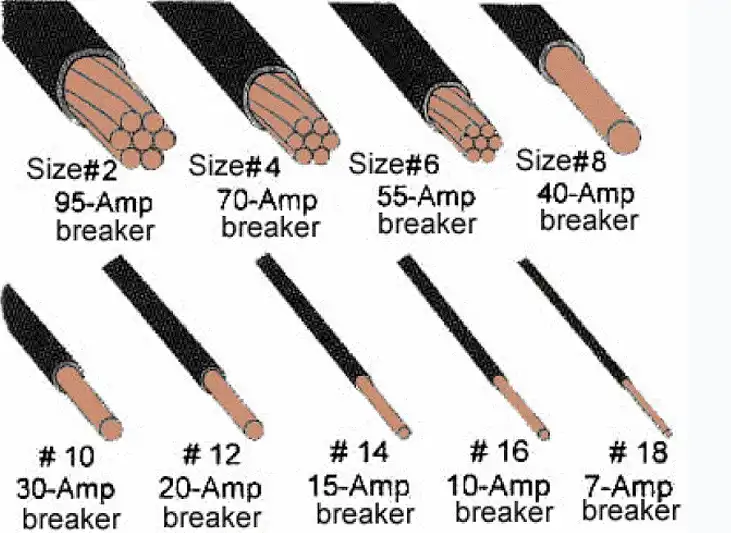
Ever wondered about the secret lives of wires and breakers? It's more exciting than you think! Today, we're diving into the world of 8 gauge wire and its perfect breaker match. It's like finding the perfect dance partner – they just *click*!
What’s the Big Deal with Wire Size?
Think of wires like tiny highways for electricity. A skinny little wire can only handle so much traffic. Too much, and things get… well, hot! That's where circuit breakers come in. They're like traffic cops, preventing electrical gridlock and potential meltdowns (literally!).
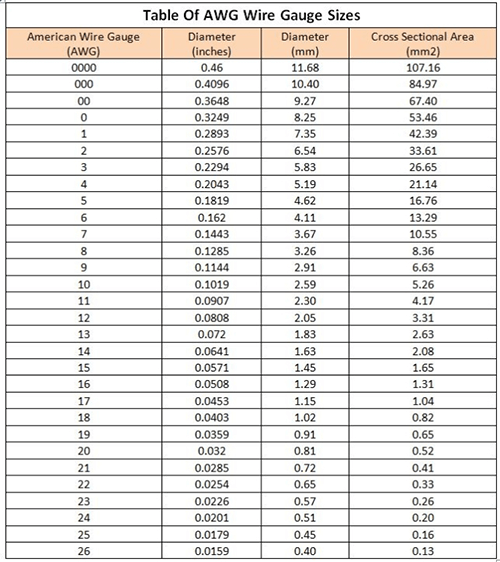
Gauge numbers? The smaller the number, the thicker the wire. So, 8 gauge wire is pretty beefy. But how much can it *actually* handle? That's the golden question.
The Breaker Brain Teaser
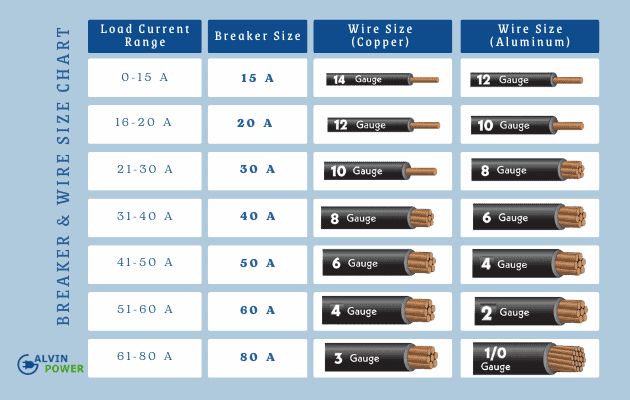
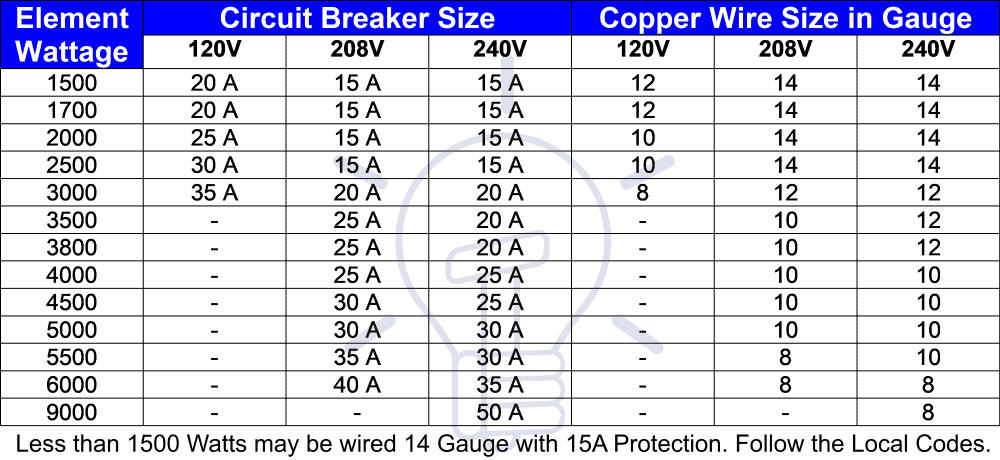
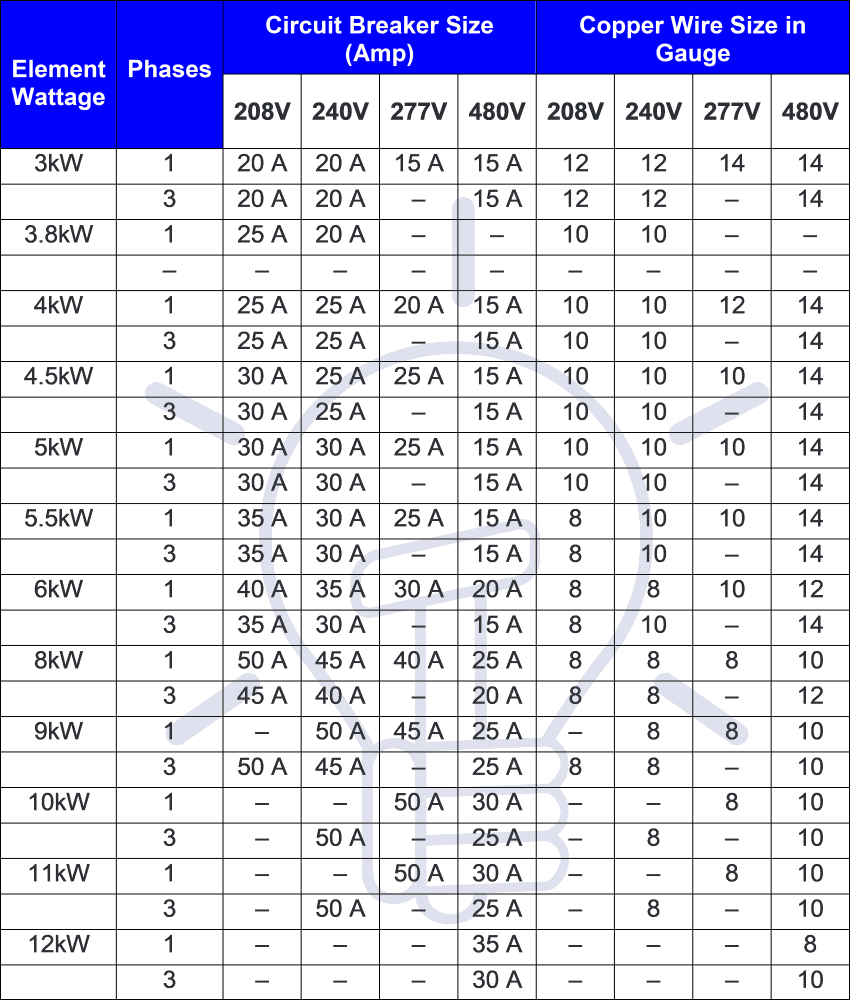
So, what size breaker does an 8 gauge wire need? Drumroll, please… It usually needs a 40 amp breaker! But wait, there's a plot twist! This isn't always the case.
“Why?” you ask, perched on the edge of your seat. Because context matters! Different types of 8 gauge wire have different temperature ratings. This rating dictates how much current the wire can safely carry.
The Temperature Tango
Imagine different wires wearing different coats. Some have super insulated, heat-resistant coats, allowing them to handle more heat (and therefore more current!). Others? Not so much.
This is where the wire's insulation type becomes crucial. Look for markings like THHN, THWN, or others printed on the wire itself. These codes are like secret messages revealing the wire's temperature rating.
For example, 8 gauge THHN wire, a common type, is generally rated for 40 amps. But it's *always* best to double-check your local electrical codes. They're like the ultimate rulebook for electrical safety!
Code Crusaders: Local Electrical Codes
Speaking of rules, electrical codes aren't just boring regulations. They're your protectors! They're designed to prevent fires, shocks, and other electrical mishaps. Think of them as superhero shields defending your home.
These codes can vary from place to place. What's okay in one town might not fly in another. So, contacting a licensed electrician is always a wise move. They're the code whisperers, fluent in the language of electrical safety.
Why All the Fuss About Amps?
Amps, or amperes, measure the flow of electrical current. Too many amps flowing through a wire designed for less is like trying to squeeze an elephant through a cat door. Not a pretty sight, and definitely not safe!
Overloading a wire can cause it to overheat. This can melt the insulation and even start a fire. That’s why pairing the right breaker with the right wire is absolutely essential. It's like matching the right shoes to the right outfit – crucial for comfort and style (and in this case, safety!).
The Golden Rule: When in Doubt, Ask!
Navigating the world of wires and breakers can feel like deciphering an ancient language. If you're unsure about anything, don't guess! Electricity is a powerful force, and it deserves respect.
Calling a licensed electrician is the safest and smartest choice. They can assess your specific situation, recommend the appropriate breaker size, and ensure everything is installed correctly. They are the pros for a reason!
Think of it this way: you wouldn't attempt open-heart surgery without a doctor, right? Electrical work is similar – it requires expertise and precision.
So, the next time you're thinking about wiring projects, remember the 8 gauge wire and its trusty breaker companion. It's a world of fascinating details, safety precautions, and, ultimately, a commitment to keeping your home powered safely and efficiently. Now, isn't that electrifying?