Let's face it, most of us only think about oil when we're adding it to a sizzling pan or dreading that dreaded oil change reminder. But under the hood of your trusty car, oil is playing a vital role, and oil pressure is the unsung hero keeping everything running smoothly. Think of it like this: oil is the lifeblood of your engine, and oil pressure is its blood pressure. Too high, and things can burst; too low, and things grind to a halt. So, understanding what your car's oil pressure should be is surprisingly important for keeping your vehicle healthy and happy.
So, what's the big deal? The primary benefit of proper oil pressure is that it ensures adequate lubrication of all the vital engine components. Your engine is a complex machine filled with moving parts that generate a tremendous amount of heat and friction. Without sufficient lubrication, these parts would quickly wear down, leading to expensive repairs or even complete engine failure. Think of the pistons moving inside the cylinders, the crankshaft spinning at thousands of RPM, and the camshaft controlling the valves. They all need a constant film of oil to prevent metal-on-metal contact and dissipate heat.
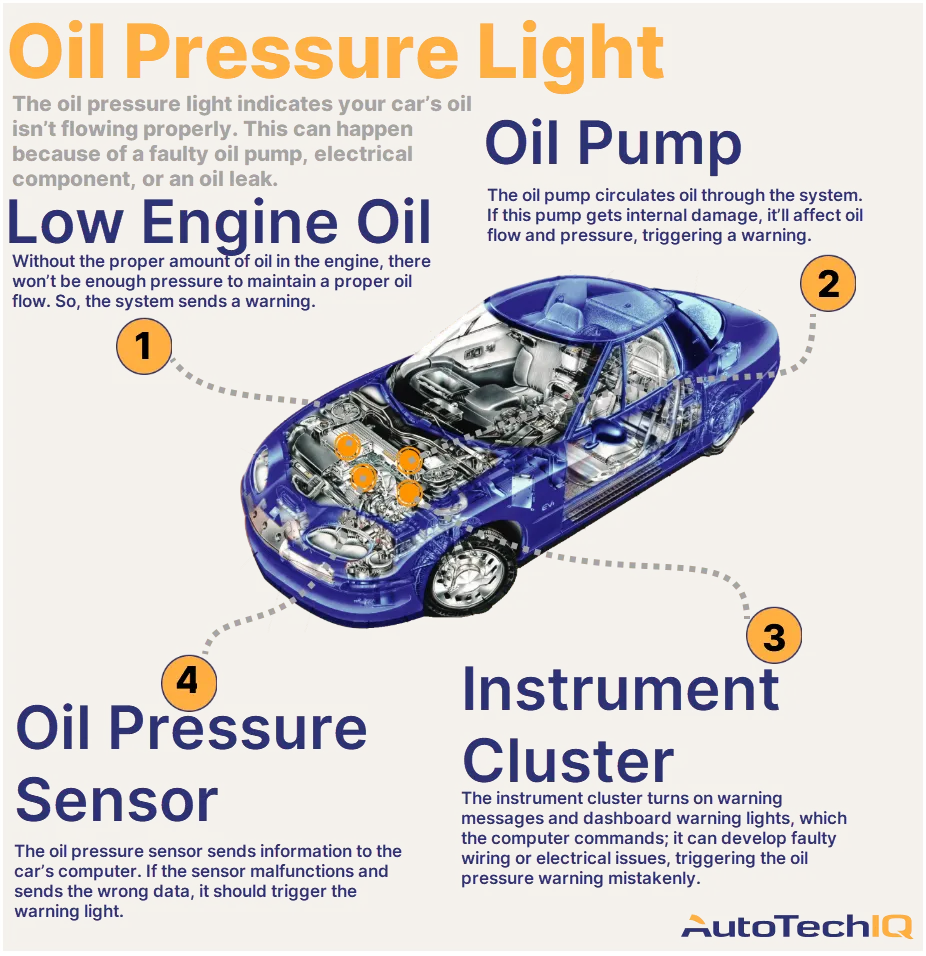
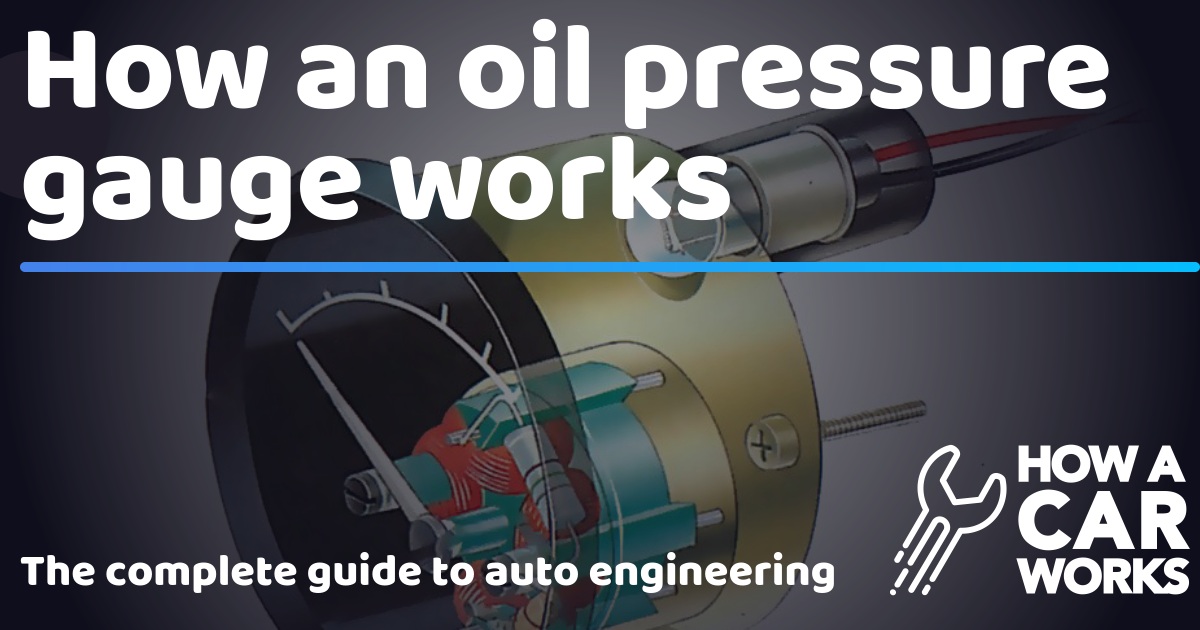
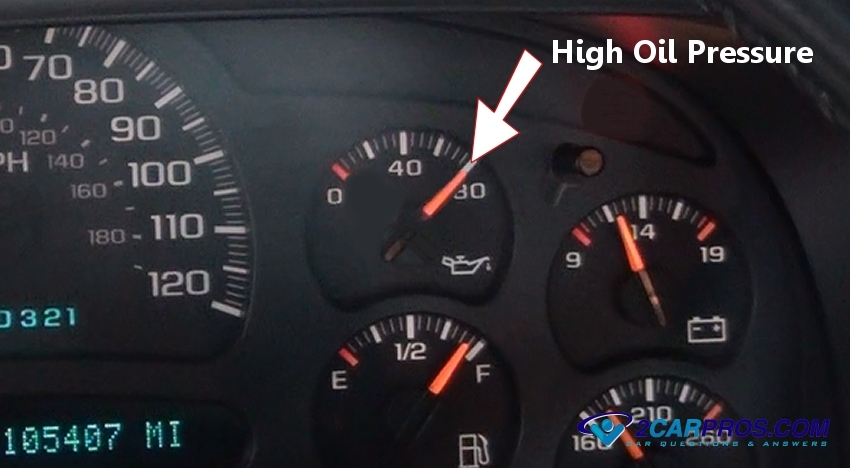
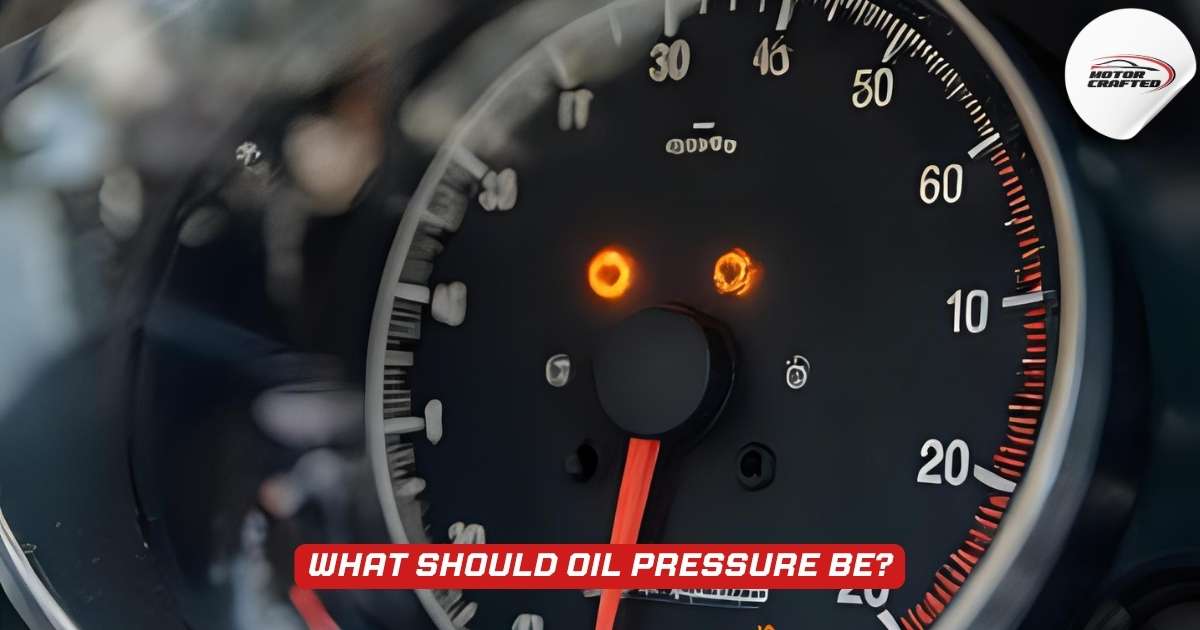
You encounter examples of oil pressure monitoring every time you drive! Most cars have an oil pressure gauge on the dashboard, though increasingly, newer cars just have a warning light. The gauge gives you a real-time indication of the oil pressure, while the light usually only illuminates when the pressure drops to a dangerously low level. This system is applied in everything from your daily commute car to heavy-duty trucks hauling goods across the country. It's a fundamental aspect of internal combustion engine design and maintenance.
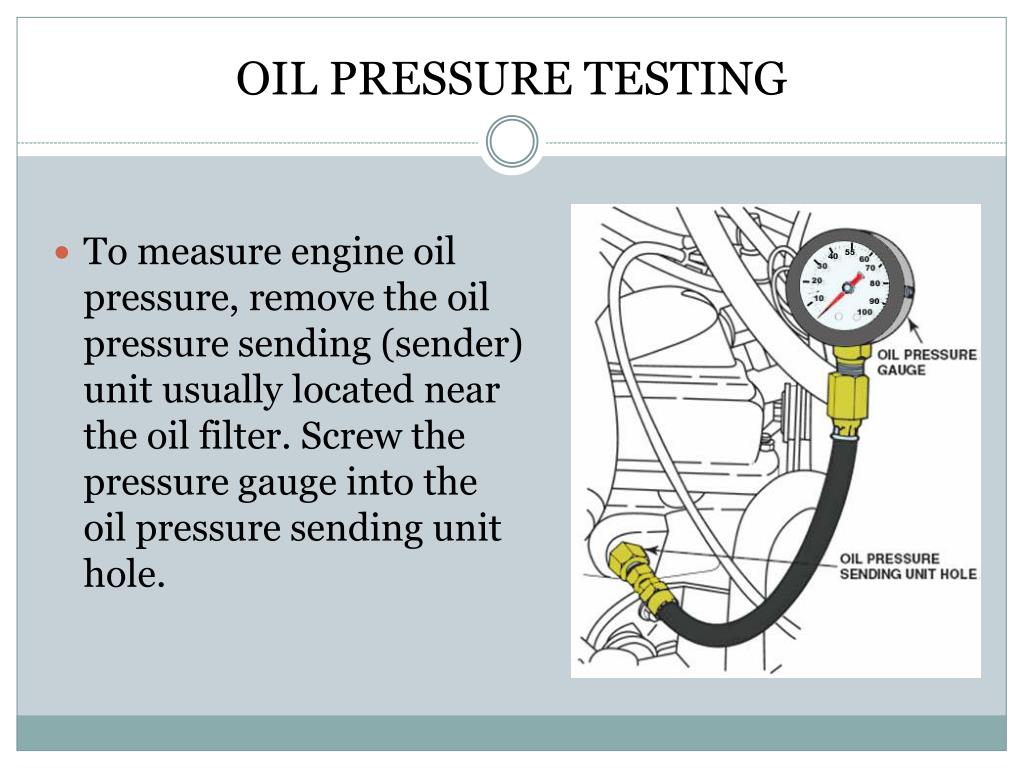
Now, let's talk numbers. What should your oil pressure be? Unfortunately, there's no single, universal answer. It varies depending on the make and model of your car, the engine's age, and even the oil's viscosity. However, a general guideline is that most engines operate comfortably between 25 and 65 PSI (pounds per square inch) at cruising speed. At idle, a lower pressure is expected, usually around 10-20 PSI. Consult your car's owner's manual for the specific recommended oil pressure range for your vehicle. That's the golden rule!
Here are a few practical tips to help you maintain healthy oil pressure:
- Use the correct oil: Check your owner's manual for the recommended oil viscosity. Using the wrong type of oil can significantly affect oil pressure.
- Change your oil regularly: Old, dirty oil loses its lubricating properties and can clog oil passages, leading to reduced oil pressure. Follow the manufacturer's recommended oil change intervals.
- Monitor your oil level: Low oil levels can lead to low oil pressure. Check your oil level regularly, especially before long trips.
- Listen for unusual noises: Knocking or rattling sounds from the engine can be a sign of low oil pressure and inadequate lubrication. If you hear these noises, have your car inspected by a mechanic immediately.
- Don't ignore the warning light: If the oil pressure warning light illuminates, pull over safely as soon as possible and shut off the engine. Continuing to drive with low oil pressure can cause serious engine damage.
In conclusion, understanding what your car's oil pressure should be and taking proactive steps to maintain it is crucial for extending the life of your engine and preventing costly repairs. So, pay attention to that gauge or light, use the right oil, and keep up with regular maintenance. Your engine will thank you!