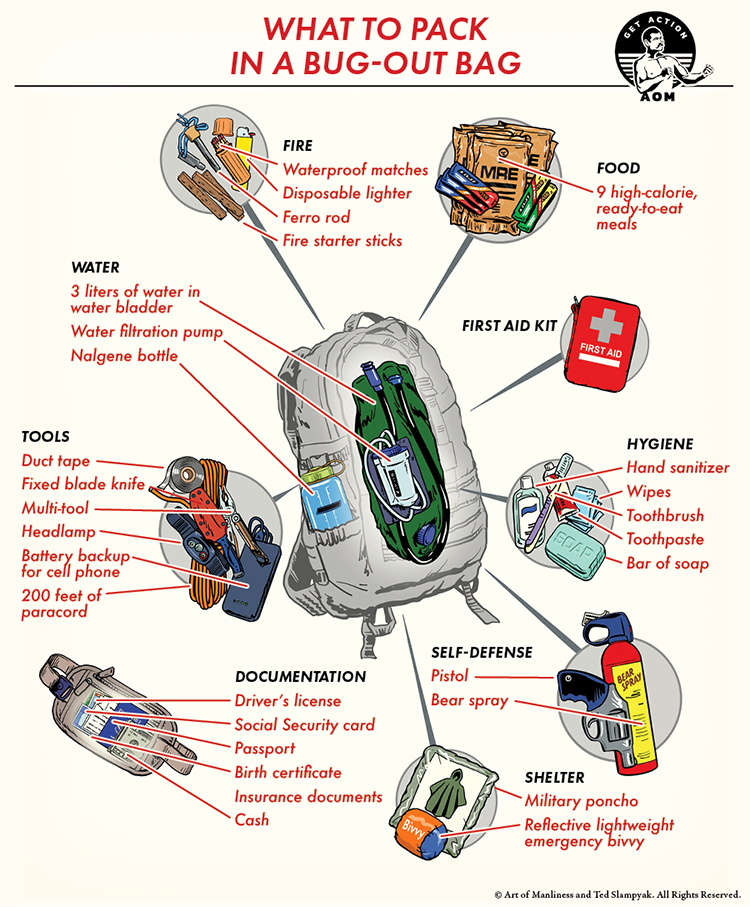
Okay, let's talk bug out bags! Maybe you envision yourself as a rugged survivalist, ready to face the apocalypse. Or maybe you just want to be prepared for a power outage that lasts longer than expected. Whatever your motivation, packing a bug out bag (also known as a go-bag) is a surprisingly fun and practical project. Think of it as crafting your personal emergency preparedness kit, a safety net you can grab when things get a little… unpredictable.
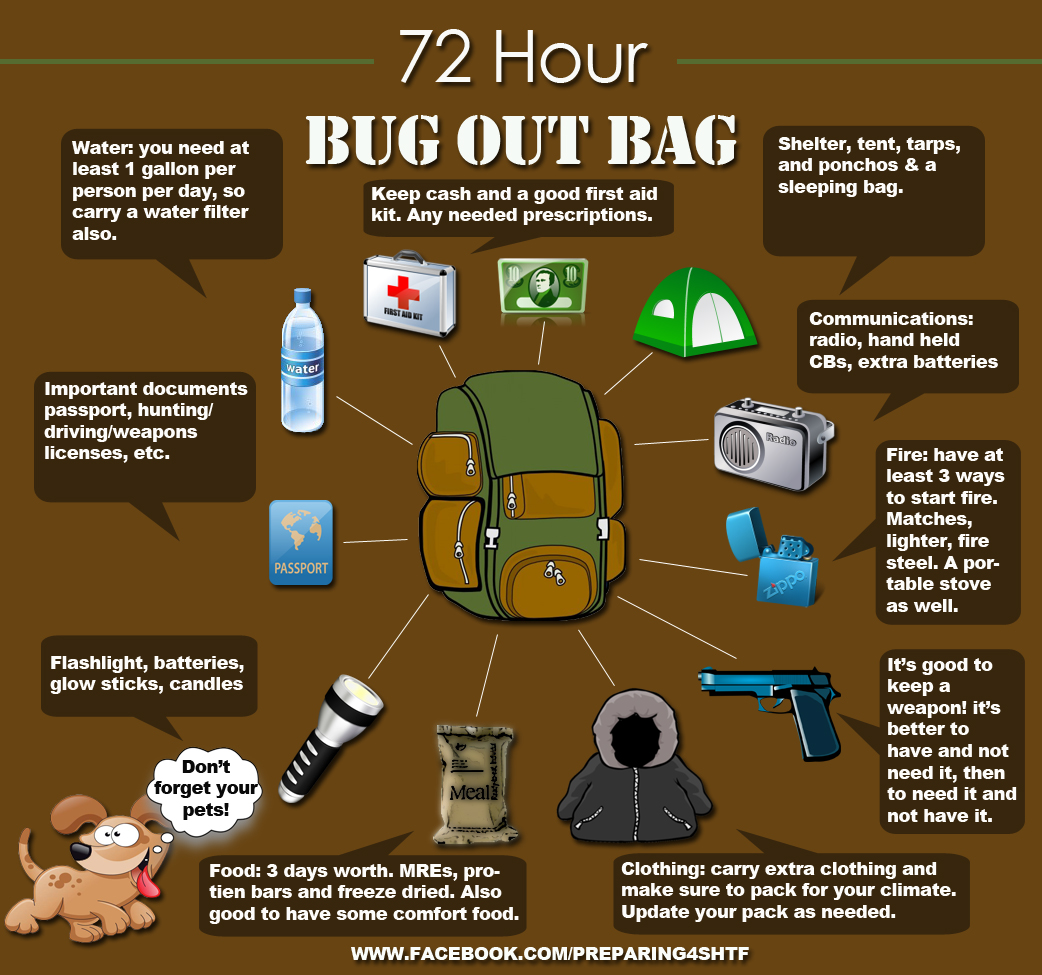
The whole point of a bug out bag is simple: to provide you with the essentials you need to survive for at least 72 hours if you have to leave your home quickly. What those essentials *are* depends on your needs and potential scenarios. But the core idea remains the same: self-sufficiency in a pinch.
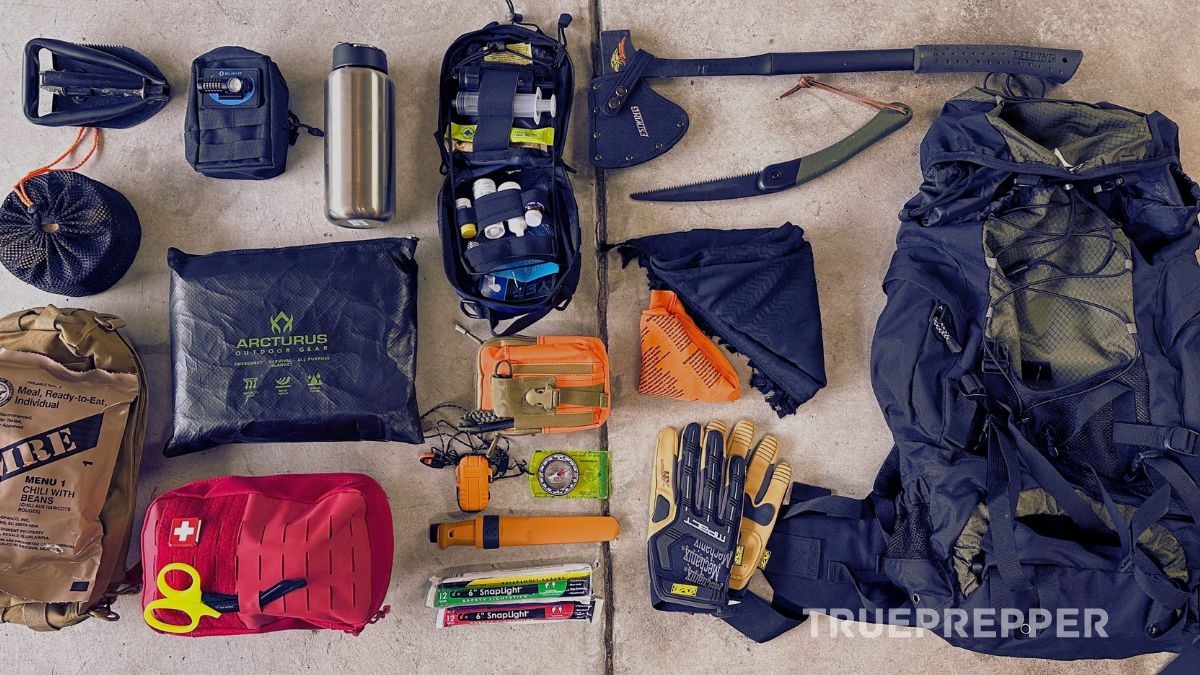
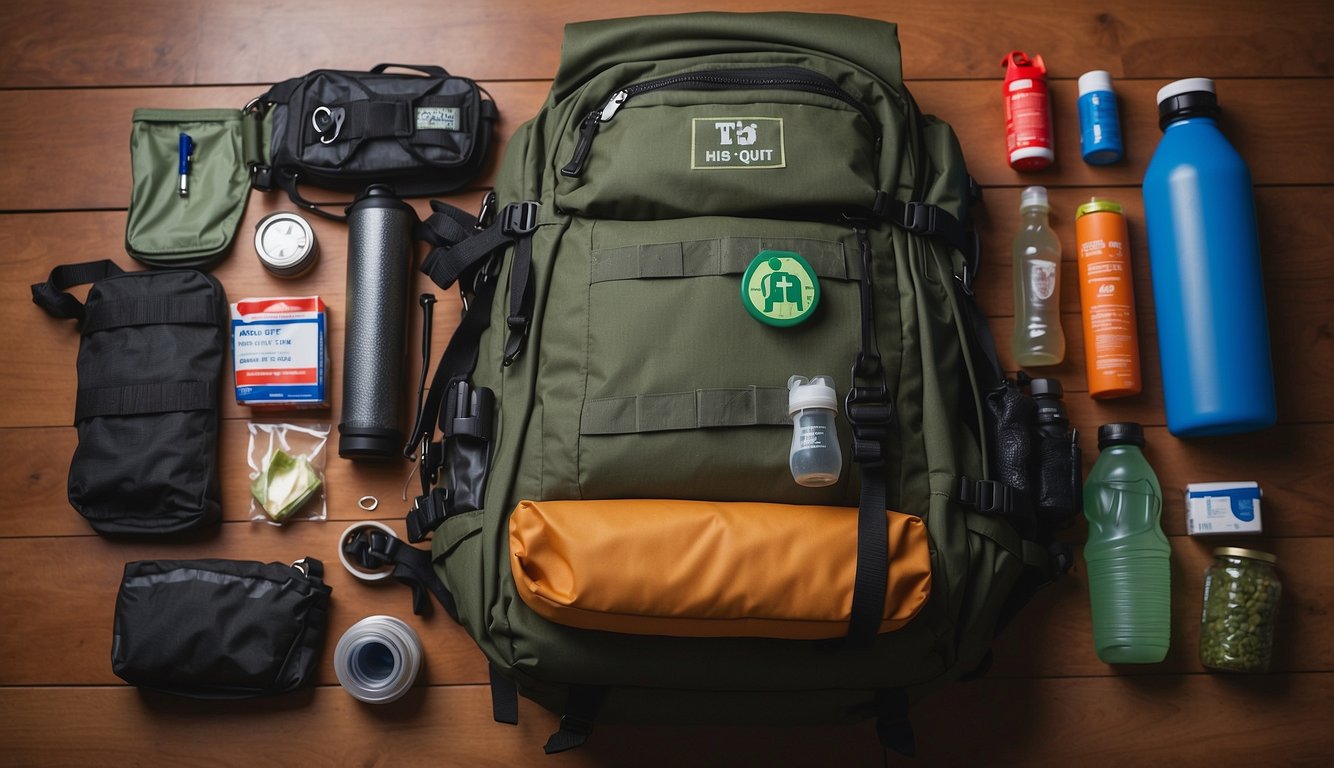
For beginners: Don't feel overwhelmed! Start small. Focus on the very basics: water (at least 3 liters per person per day), non-perishable food (like energy bars, canned goods, or dried fruit), a first-aid kit (bandages, antiseptic wipes, pain relievers), a flashlight (ideally a headlamp for hands-free use), a multi-tool (like a Swiss Army knife or Leatherman), and a way to start a fire (waterproof matches or a lighter). A map of your local area and a compass are also incredibly useful, even in the age of smartphones (batteries die!). Keep it light and manageable; a heavy bag is a useless bag.
For families: Bug out bags need to cater to everyone. Consider individual needs like medications, baby formula, diapers, or comfort items for children. Extra clothing, blankets, and toys can also make a big difference. Designate specific tasks for each family member, like carrying a water bottle or snacks. Practice grabbing the bags and heading out the door – familiarity breeds confidence.
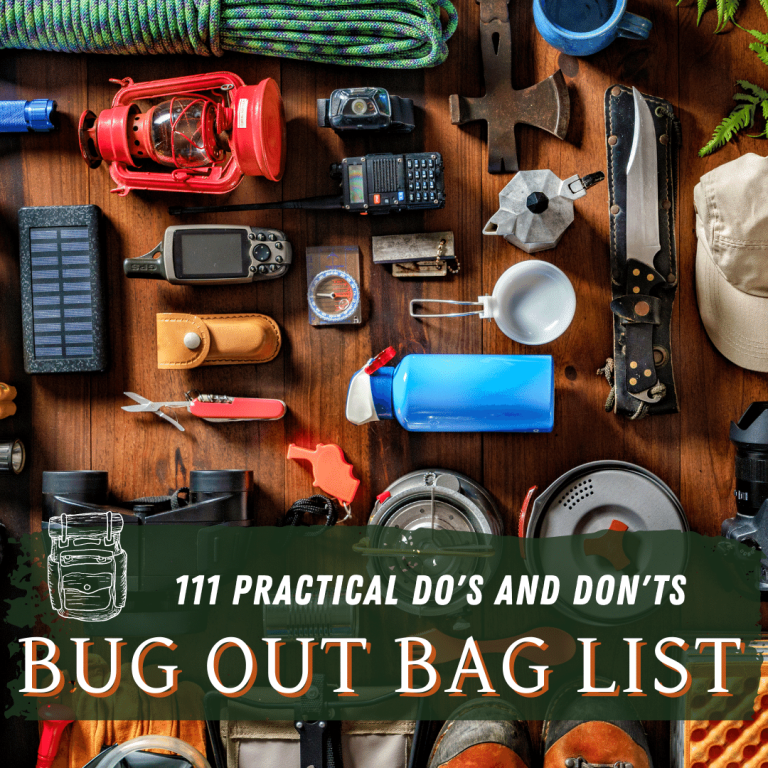
For hobbyists (hikers, campers, etc.): You probably already have a head start! Many of the items you use on the trail can be incorporated into your bug out bag. Consider adding specialized gear like a water filter or purification tablets, a small camp stove, a tent or tarp for shelter, and extra layers of warm clothing. You might also think about adding items specific to your hobbies, like binoculars for birdwatching or a fishing kit.
Examples and Variations: The possibilities are endless! You might create separate bags for different situations (a winter bag with extra warm clothes versus a summer bag with more water). Or you might create a "get home bag" to keep in your car, designed to help you get back to your house from work or other locations.
Simple, Practical Tips:
- Start with a good backpack: Choose something durable, comfortable, and the right size for your needs.
- Organize your gear: Use small bags or pouches to keep similar items together.
- Rotate your supplies: Check expiration dates on food and medications regularly and replace them as needed.
- Practice using your gear: Don't wait for an emergency to figure out how to use your water filter.
- Customize to your location: Think about the specific threats you might face in your area (earthquakes, hurricanes, wildfires, etc.).
Ultimately, building a bug out bag is about peace of mind. Knowing you have a plan and the resources to handle an emergency can be incredibly empowering. It's not just about surviving; it's about thriving, or at least making things a little easier when the unexpected happens. So, get packing, and enjoy the feeling of preparedness!