Ever wondered what sparks most house fires? Forget dramatic lightning strikes or mischievous gremlins – the culprit is often closer to home, and probably smells delicious.
Cooking: The Culinary Arsonist?
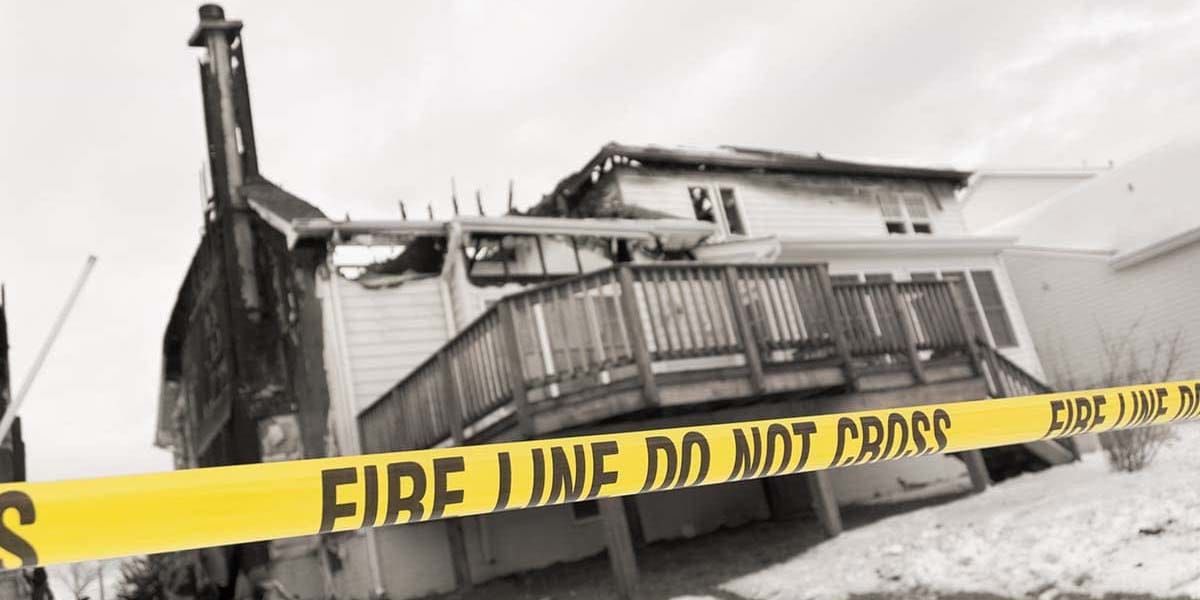
It's true! A surprising number of residential fires start right where we whip up our culinary masterpieces: the kitchen.
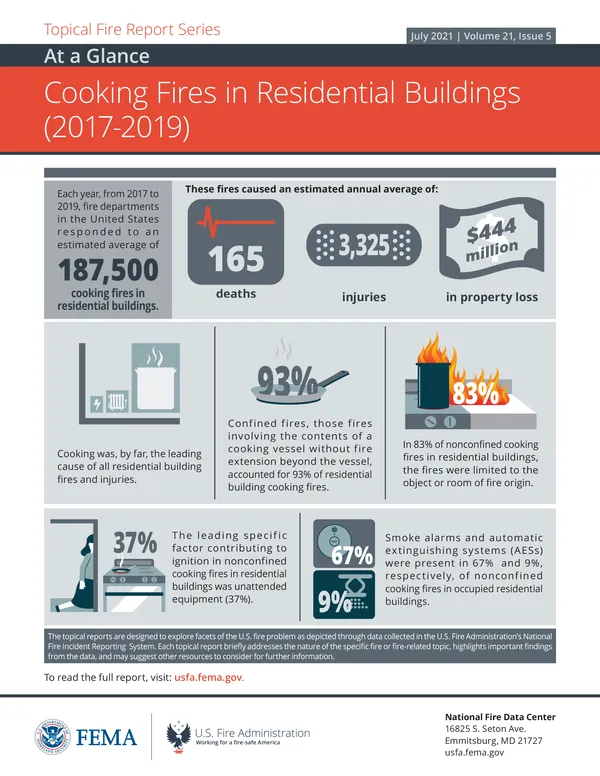
So, what percentage of residential fires are actually caused by cooking? Brace yourself, because it's a significant chunk – around 49% according to the National Fire Protection Association (NFPA). Yes, nearly half!
That's a Lot of Burnt Toast!
Think about that for a second. Almost half of all house fires originate while someone is trying to make breakfast, lunch, or dinner. It's enough to make you want to order takeout every night, right?
But don't ditch your pots and pans just yet. Understanding why cooking fires happen is the first step to preventing them. And hey, a little awareness can go a long way towards keeping your kitchen (and your house!) safe.
The Usual Suspects: Grease, Distraction, and Dry Cookware
So, what exactly causes all these cooking fires? Well, there are a few repeat offenders.
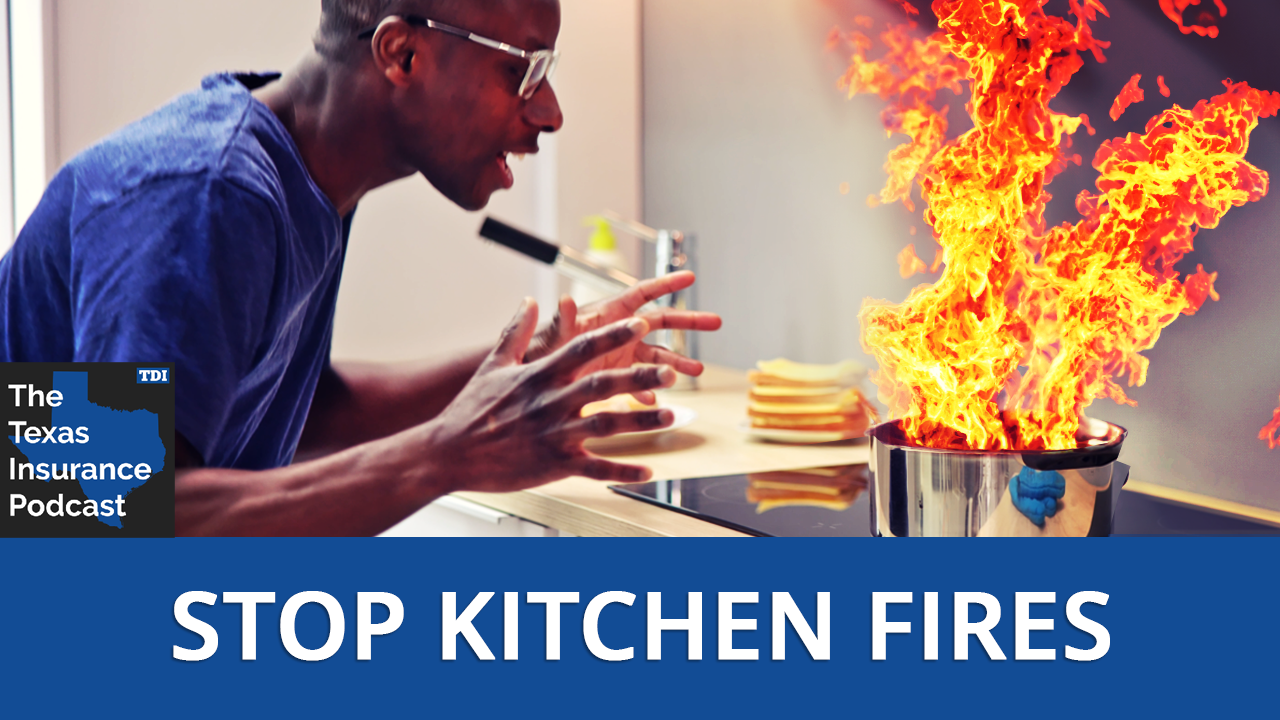
Unattended cooking is a big one. You know, when you're simmering that perfect tomato sauce, get distracted by a phone call, and suddenly the smoke alarm is screaming like a banshee.
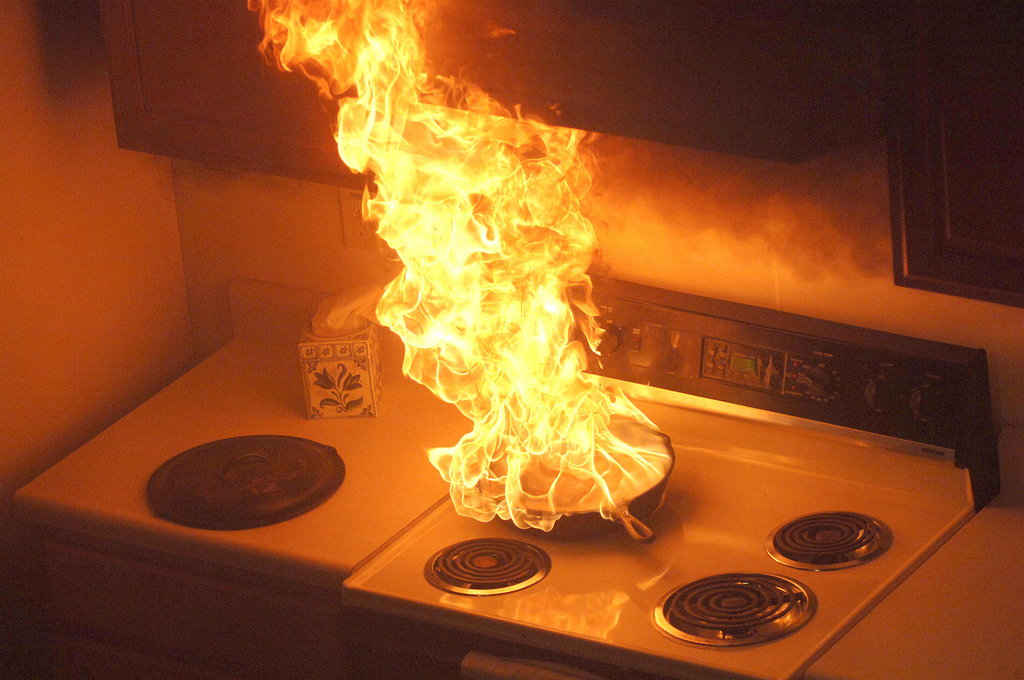
Grease is another common culprit. A pan full of hot oil can quickly become a raging inferno if you're not careful. And trust me, water is *not* the answer! (More on that later.)
Dry cookware also plays a role. Ever absentmindedly put a pot on the stove and forgotten to add water? Yeah, that can lead to disaster pretty quickly.
Beyond the Flames: Stories from the Front Lines
Let's move away from the statistics for a moment and consider some real-life cooking fire scenarios. Some are funny, some are scary, and all of them are a good reminder to pay attention while you're cooking.
I remember hearing about a woman who tried to deep-fry a turkey indoors. It didn't end well. Let's just say the fire department got a Thanksgiving dinner they weren't expecting.
Then there's the classic burnt toast situation. We've all been there, haven't we? A moment of inattention, and suddenly your kitchen is filled with the acrid smell of carbonized bread. It might seem minor, but even burnt toast can trigger a smoke alarm and create a smoky mess.
One heartwarming story involves a family whose kitchen fire was quickly extinguished by their quick-thinking teenage son. He remembered his fire safety training from school and used a fire extinguisher to put out the flames before they spread. Talk about a hero!
Debunking Cooking Fire Myths
Now, let's address a few common misconceptions about cooking fires. Because misinformation can be just as dangerous as the flames themselves.
Myth #1: Water is the answer to all fires. Wrong! Never, ever, use water on a grease fire. It will only make things worse, causing the grease to splatter and spread the flames.
Myth #2: Smoke alarms are annoying and unnecessary. Absolutely not! Smoke alarms are life-savers. Make sure you have working smoke alarms on every level of your home, especially near the kitchen.
Myth #3: Cooking fires only happen to careless people. Nope. Even the most experienced cooks can have a cooking fire if they're not paying attention. It's all about being vigilant and prepared.
Fighting the Flames: Prevention and Action
So, how can you protect yourself and your home from cooking fires? Here are a few simple but effective strategies.
Never leave cooking unattended. If you have to leave the kitchen, turn off the stove.
Keep flammable materials away from the stovetop. That includes towels, curtains, and paper products.
Clean your stovetop regularly to prevent grease buildup.
Have a fire extinguisher readily available in the kitchen and know how to use it.
When in doubt, call the fire department. It's always better to be safe than sorry.
Invest in a good quality smoke alarm and test it regularly. Make sure everyone in your household knows what to do if the smoke alarm goes off.
If a grease fire occurs, cover the pan with a lid to smother the flames. Then, turn off the heat and let the pan cool completely before moving it.
In case of oven fire, keep the door closed. The closed oven deprives the fire of oxygen.
Cooking with Confidence: Knowledge is Power
Cooking should be a joyful experience, not a nerve-wracking one. By understanding the risks and taking precautions, you can significantly reduce your chances of having a cooking fire.
Remember, 49% is just a statistic. You have the power to change that number by being a responsible and attentive cook.
So, go forth and create delicious meals, but always keep fire safety in mind. Your taste buds (and your home) will thank you!
Now, excuse me while I go check on my simmering sauce... just to be sure.
Food for Thought (and Fire Safety)
Consider taking a first-aid and CPR course. These skills can be invaluable in the event of a fire or other emergency.
Talk to your children about fire safety. Make sure they know what to do if there's a fire, and teach them how to call for help.
Regularly inspect your electrical cords and outlets. Faulty wiring can also cause fires.
Have a fire escape plan and practice it regularly. This will help you and your family get out of the house safely in the event of a fire.
Finally, remember that fire safety is everyone's responsibility. By working together, we can make our homes and communities safer for everyone.
A Final Word of Caution
While we've sprinkled in some humor, it's important to remember that cooking fires are a serious issue. They can cause significant damage, injuries, and even fatalities.
Don't become a statistic. Take fire safety seriously, and always be vigilant when you're in the kitchen.
By taking simple precautions, you can protect yourself, your family, and your home from the dangers of cooking fires. So, cook on, but cook safely!
.png?itok=QPy_vzXX)