Ever wondered why summer feels so gloriously hot, while winter leaves you shivering? It all boils down to sunlight and the angle at which it kisses our planet! Understanding how the angle of sunlight affects our world isn't just a fun fact to impress your friends; it explains everything from the changing seasons to why some places are hotter than others. So, let’s dive into the fascinating world of shallow sunbeams!
Imagine shining a flashlight straight down on a table. The light is concentrated in a small, bright circle, right? Now, tilt the flashlight. The same amount of light spreads out over a larger, less intense oval. That’s essentially what happens when sunlight hits the Earth at a shallower angle.
The purpose of understanding this concept is simple: to grasp the underlying mechanics behind our planet’s climate and seasons. The benefit? You'll finally understand why you need that extra layer of clothing in December!
When sunlight strikes the Earth at a steep, direct angle (like around the equator or during summer in the northern hemisphere), the energy is concentrated over a smaller area. This means each square meter of land receives a larger dose of solar radiation, leading to warmer temperatures. Think of it like focusing a magnifying glass on a piece of paper – the focused sunlight generates heat and can even start a fire!
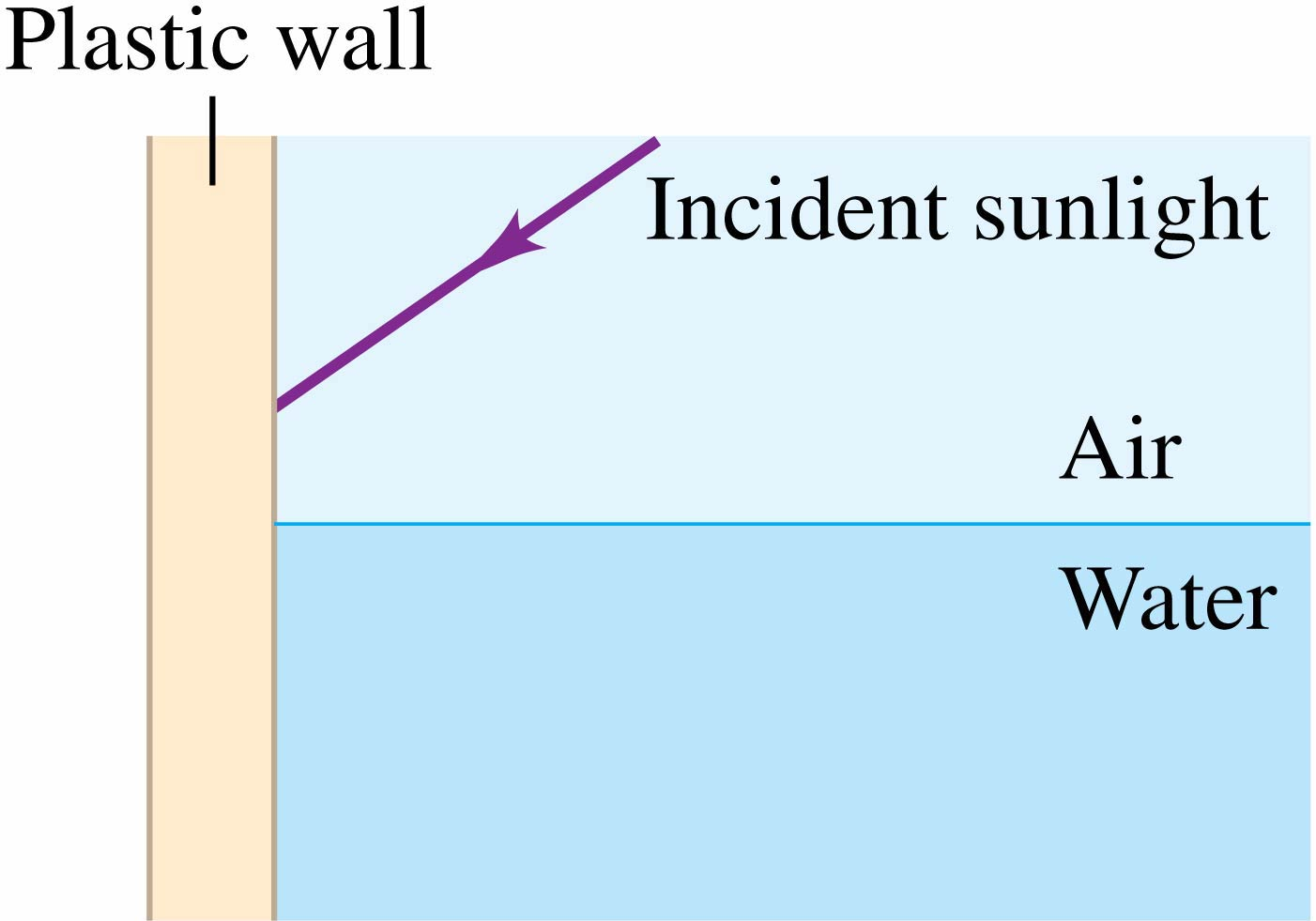
Now, picture sunlight hitting the Earth at a shallow angle, like near the poles or during winter. The same amount of sunlight is spread out over a much larger area. Each square meter receives less solar radiation, resulting in cooler temperatures. Furthermore, at shallow angles, sunlight has to travel through more of the Earth's atmosphere. This increased atmospheric passage causes more sunlight to be scattered and absorbed by the atmosphere, further reducing the amount of energy that reaches the surface. This is why the sun feels weaker during the winter months.
This angle of incidence also impacts the length of our days! During summer, when our hemisphere is tilted towards the sun, the days are longer because the sun's path across the sky is longer. In winter, the opposite happens: the shorter days and longer nights are a direct result of the Earth tilting away from the sun, causing the sun to strike at a shallower angle and for a shorter period.
So, the next time you’re basking in the summer sun or bundling up against the winter chill, remember the simple principle of solar angles. It's a powerful force that shapes our seasons, climates, and even our daily lives. Understanding how sunlight interacts with our planet helps us appreciate the intricate and delicate balance of our environment. Now you can impress your friends with your newfound knowledge of shallow sunbeams!