Let's face it, there's something incredibly satisfying about welding. Maybe it's the controlled sparks, the intense heat, or the sheer power of fusing metal together. For some, it's a weekend hobby, a chance to create custom metal art or repair a trusty old tractor. For others, it's a vital profession, building the structures and machinery that keep our world running. Whatever your reason for picking up a welding torch, it's an art and a skill that offers both practical benefits and a real sense of accomplishment.
Welding plays a crucial role in everyday life, often unseen but always essential. From the cars we drive and the bridges we cross to the pipelines that carry our resources and the skyscrapers that define our cities, welding is the backbone of modern infrastructure. Think about the stainless steel appliances in your kitchen, the frames of your bicycles, or even the intricate mechanisms inside your watches – chances are, welding played a part in their creation. It's a fundamental process in manufacturing, construction, and repair, making it an indispensable skill in numerous industries.
Now, let's get down to brass tacks. You're ready to weld, but are you dressed for the occasion? Choosing the right clothing is absolutely critical for your safety and comfort. Forget about that old cotton t-shirt and those synthetic leggings. When it comes to welding, the material of your clothing can be the difference between a productive afternoon and a trip to the emergency room.
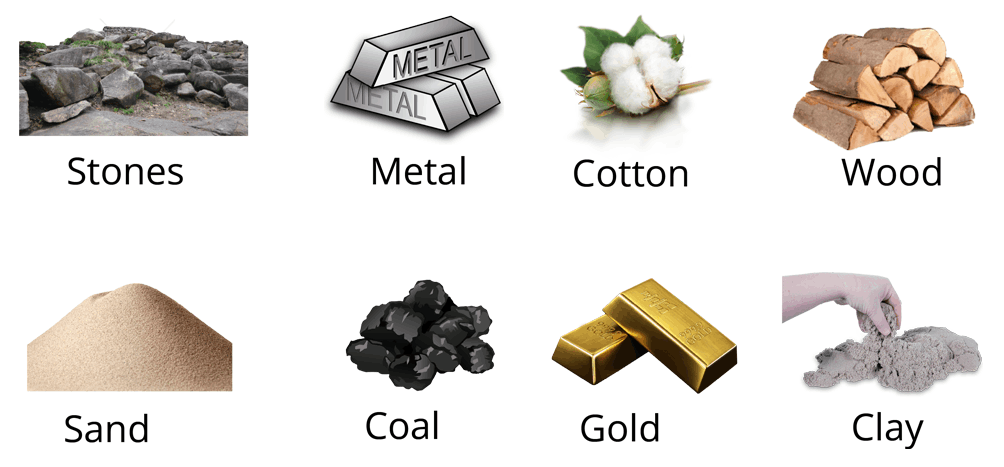
So, what should you wear? The gold standard is 100% cotton, preferably a tightly woven, heavy-weight fabric. Think denim or drill cloth. Cotton chars rather than melts when exposed to sparks and heat, providing a layer of protection for your skin. Avoid anything with synthetic fibers like polyester, nylon, or rayon. These materials melt and can stick to your skin, causing severe burns. Wool is another good option, as it's naturally flame-resistant.
Here are some practical tips to enjoy welding more effectively and safely, with clothing in mind:
- Full Coverage is Key: Opt for long-sleeved shirts and long pants to minimize exposed skin. Overlap your clothing layers for extra protection.
- Invest in Proper Welding Apparel: Consider a welding jacket and apron made of leather or flame-resistant treated cotton. These provide additional shielding from sparks and radiation.
- Check Your Gear Regularly: Inspect your clothing for holes or tears before each welding session. Even small openings can allow sparks to reach your skin.
- Wear Appropriate Footwear: Leather work boots that cover your ankles are essential. Avoid shoes with laces that can catch sparks.
- Avoid Flammable Substances: Don't wear clothing that has been exposed to flammable liquids like gasoline or oil.
- Layers are Your Friend: Depending on the weather, layering cotton clothing can help regulate your body temperature and keep you comfortable while welding.
By prioritizing safety and choosing the right materials for your welding attire, you can significantly reduce the risk of burns and injuries. Remember, welding is a rewarding skill, but it requires respect and preparation. So, gear up wisely, protect yourself, and enjoy the process of creating and repairing with the power of the torch!