Ever wondered what turns a regular hurricane into a real beast of a storm, a Category 5? It's all about the wind, baby! We're talking wind speeds that are so intense, they make everyday annoyances seem like a gentle breeze.
The Saffir-Simpson Scale: Hurricane Edition
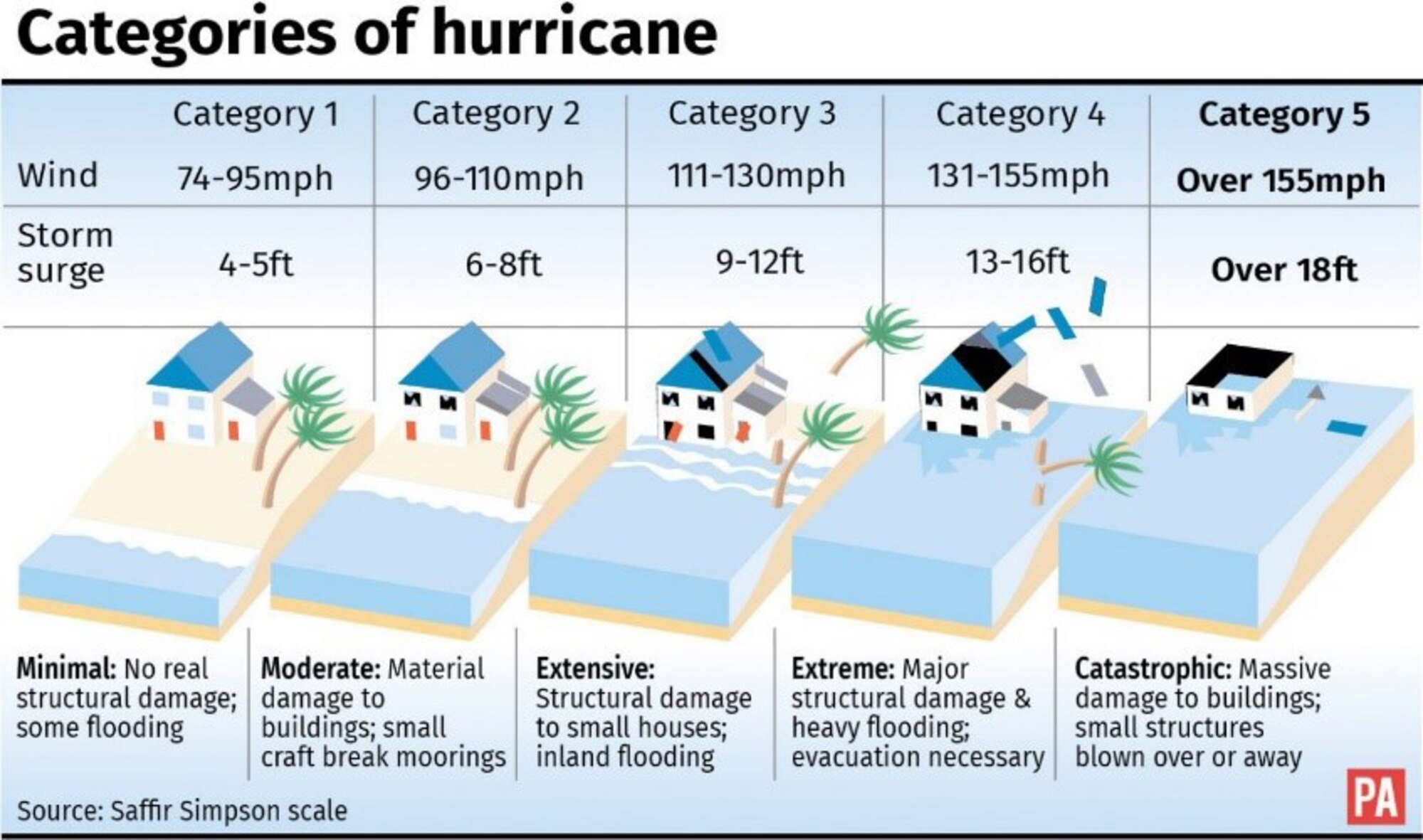
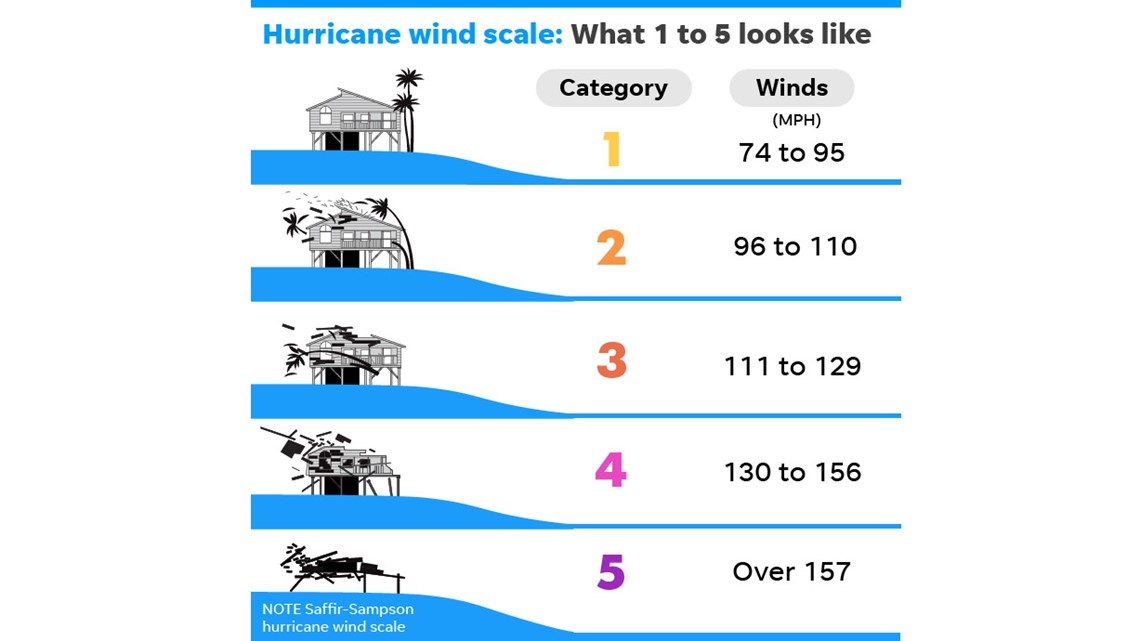
First, let’s introduce our measuring stick: the Saffir-Simpson Hurricane Wind Scale. Think of it like a spice-o-meter for hurricanes. It goes from 1 to 5, with 1 being like a little jalapeño and 5 being a ghost pepper – guaranteed to blow your socks off!
This scale focuses solely on sustained wind speed. It doesn't account for things like storm surge (rising water), rainfall, or size. These factors contribute to the overall danger, but for the Cat 5 badge, it's all about the wind.
Breaking Down the Wind Barrier: Sustained Winds of Fury
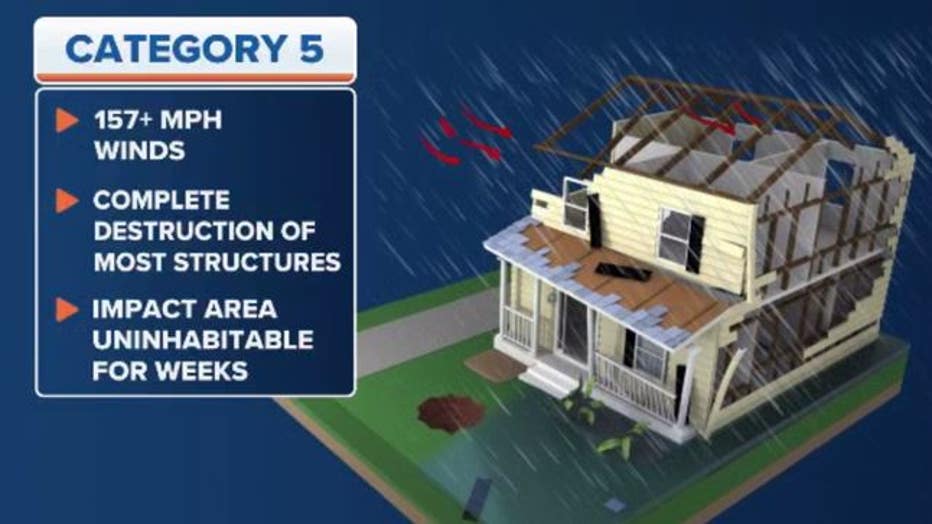
So, what wind speed do you need to achieve legendary Category 5 status? We're talking sustained winds of 157 mph or higher! Yes, you read that right.
Imagine standing outside and trying to hold onto something while a car is whizzing by at 157 mph. Impossible, right? Now, imagine that force applied to everything around you, continuously, for hours.
That’s the kind of power a Category 5 hurricane unleashes. It's not just a breeze; it's a full-on aerial assault.
What Happens When a Hurricane Hits Category 5?
Okay, so it’s windy. Big deal, right? Wrong! At Category 5, the consequences are, well, apocalyptic. Prepare for total and complete destruction.
Think of your house. A regular hurricane might rattle the windows. A Category 5? It's likely to become a pile of rubble.
Roofs are ripped off with the ease of peeling a banana. Trees become projectiles, cars become airborne toys, and the ocean... well, let's just say the ocean does whatever it wants.
The Devastation is Real
Power outages become the norm, and can last for weeks, even months. Communication networks are down, making it difficult to get help or stay informed.
Widespread flooding occurs, turning streets into rivers and homes into swimming pools (unwanted ones, of course!). Basically, life as you know it gets put on pause – permanently for some.
Evacuation becomes absolutely critical. If authorities tell you to leave, you leave! No arguing, no "but I have valuables," just go! Your life is the most valuable thing you have.
A Playful Look at Category 5 Hyperbole
Let’s get a little silly for a moment and imagine what it *really* feels like to experience Category 5 winds. Think of it as nature’s ultimate amusement park ride, except not fun at all.
Imagine you're trying to grill some burgers, but the wind keeps snatching them off the barbecue and flinging them into the next county. Your perfectly seasoned patties are now bird food miles away.
Your carefully manicured lawn? Gone. Replaced by a chaotic mix of branches, debris, and possibly a neighbor’s trampoline. The landscaping bill is going to be… significant.
Trying to walk outside? Forget it! You'll be doing your best impression of a kite, being yanked around by forces you can't even comprehend. Just accept your fate as a human tumbleweed.
Okay, Back to Reality: Respect the Power
Alright, alright, I’m having a little fun, but the point is serious. Category 5 hurricanes are no joke.
They are forces of nature to be respected and feared. They are capable of causing immense destruction and loss of life.
Underestimating their power is a dangerous game. Staying informed, having a plan, and evacuating when necessary are crucial for survival.
The Science Behind the Superstorm
What fuels these monstrous storms? Warm ocean water is the primary ingredient. Hurricanes are heat engines, drawing energy from the warm water below.
That warm water evaporates, rising into the atmosphere and creating thunderstorms. As more thunderstorms cluster together, they start to rotate thanks to the Earth's rotation (the Coriolis effect).
If conditions are right (low wind shear, lots of moisture), the storm can intensify, drawing in more warm, moist air and spinning faster and faster. Eventually, boom! You have a hurricane.
From Tropical Depression to Category 5: The Journey
Hurricanes don’t just magically appear as Category 5 monsters. They usually start as tropical depressions, weak areas of low pressure with disorganized thunderstorms.
If the depression strengthens and reaches sustained winds of 39 mph, it becomes a tropical storm and gets a name. That’s when things start to get serious.
If the storm continues to intensify and reaches sustained winds of 74 mph, it's officially a hurricane! And then the climb up the Saffir-Simpson scale begins.
Preparing for the Unthinkable
Living in a hurricane-prone area means being prepared. It's not a matter of *if* a hurricane will hit, but *when*. So, what can you do?
First, have a plan! Know your evacuation route, where you'll go, and what you'll take with you. Don’t wait until the last minute to figure this out!
Stock up on supplies: water, non-perishable food, medications, batteries, flashlights, and a first-aid kit. Think about what you’d need to survive for several days without power or outside assistance.
Protecting Your Home and Family
Consider reinforcing your home. Install hurricane shutters, secure your roof, and trim trees that could fall on your house. It’s a worthwhile investment.
Most importantly, stay informed! Monitor weather reports, heed warnings from authorities, and don't take unnecessary risks. Your safety and the safety of your loved ones is paramount.
Remember, even if a hurricane is "only" a Category 1 or 2, it can still cause significant damage. Don’t let your guard down just because it’s not a Category 5.
The Emotional Impact of a Category 5 Hurricane
Beyond the physical destruction, Category 5 hurricanes take a huge emotional toll. The stress of preparing, the fear during the storm, and the trauma of dealing with the aftermath can be overwhelming.
It’s important to acknowledge these feelings and seek support if you need it. Talk to friends, family, or mental health professionals. You’re not alone.
Communities often come together in the wake of a disaster, offering help and support to those in need. It's a testament to the resilience of the human spirit.
Hope Amidst the Chaos
Even in the face of such devastation, there is always hope. The rebuilding process can be long and arduous, but it’s also an opportunity to create something stronger and more resilient.
New building codes, improved infrastructure, and a greater awareness of the risks can help communities better prepare for future storms.
And while we can’t control the weather, we can control how we respond to it. By staying informed, being prepared, and supporting each other, we can weather any storm.
Final Thoughts: Respect the Beast
So, there you have it: a whirlwind tour of what makes a Category 5 hurricane. It's a combination of intense wind speeds, warm ocean water, and a whole lot of atmospheric chaos.
Remember, these storms are powerful and dangerous. Treat them with the respect they deserve.
Stay safe, stay informed, and be prepared. And maybe invest in a really good burger press, just in case!