Okay, let’s talk dryer plugs. Because let’s be honest, who *hasn’t* stared blankly at the back of their dryer at some point, wondering what in the world that mysterious, elephantine plug is supposed to connect to? It’s like finding a puzzle piece the size of your head and having no idea where it goes.
Think of it this way: your phone charger is like a chihuahua – small, easily lost, and a little bit bitey (if you try to jam it in the wrong way). Your dryer plug, on the other hand, is a Great Dane. Big, imposing, and you definitely wouldn’t want to stub your toe on it in the middle of the night.
So, what makes dryer plugs so… *extra*?
The Power Hungry Beast Needs a Special Socket
The short answer is: power. Your dryer isn't just gently warming your socks. It's basically a mini-furnace working overtime to turn damp clothes into wearable masterpieces (or at least, slightly-less-wrinkled versions of their former selves). All that tumbling and heating takes serious juice – way more than your phone or even your TV needs. That’s why it needs a dedicated, high-voltage circuit and a special plug to match.
Basically, your dryer is a power-hungry beast, and it needs a plug that can handle the demand. Think of it as feeding a toddler – you wouldn't give them a single grape and expect them to be happy, right? You need a whole plate of pasta (or, in the dryer's case, a high-voltage connection).
The Two Main Contenders: 3-Prong vs. 4-Prong
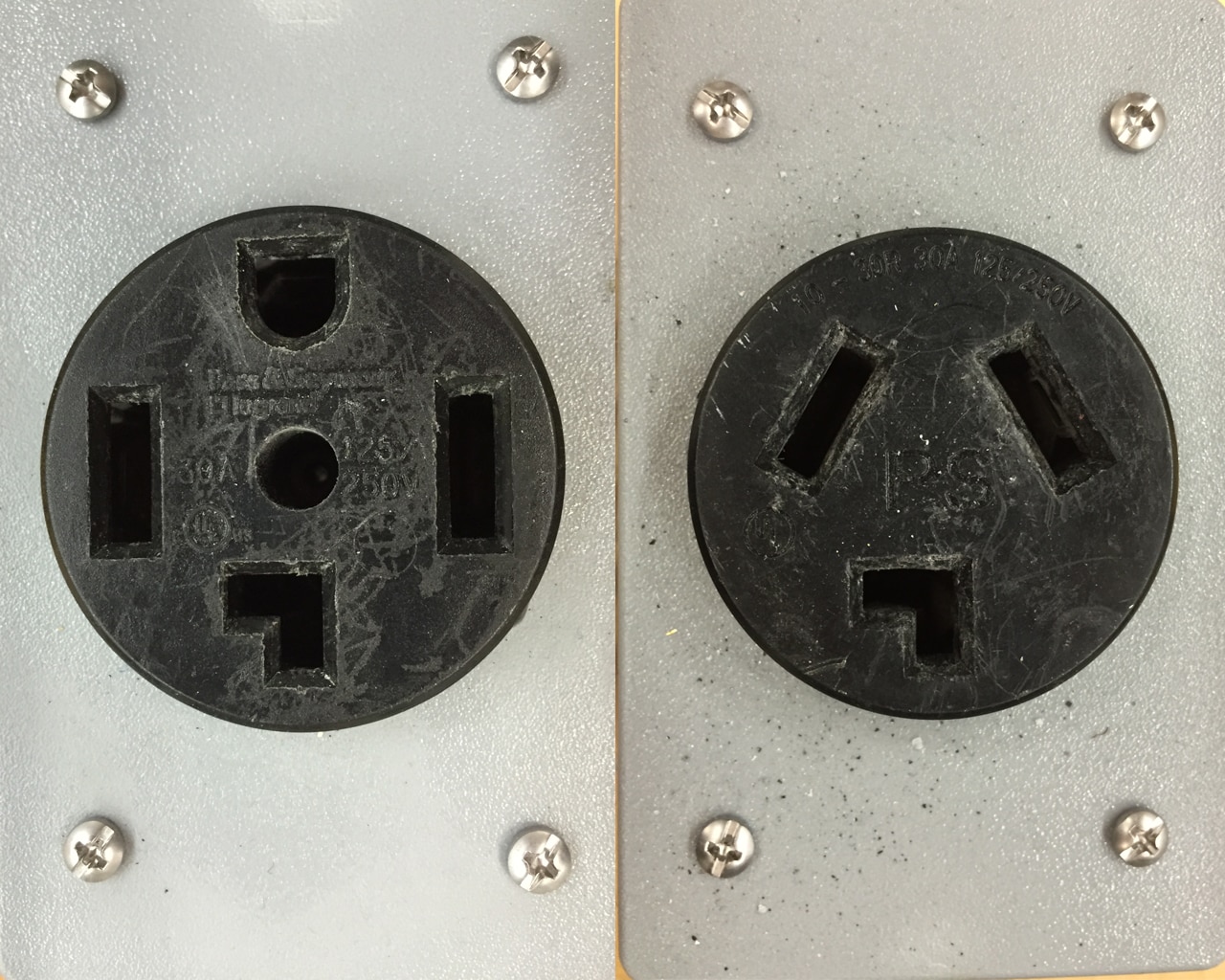
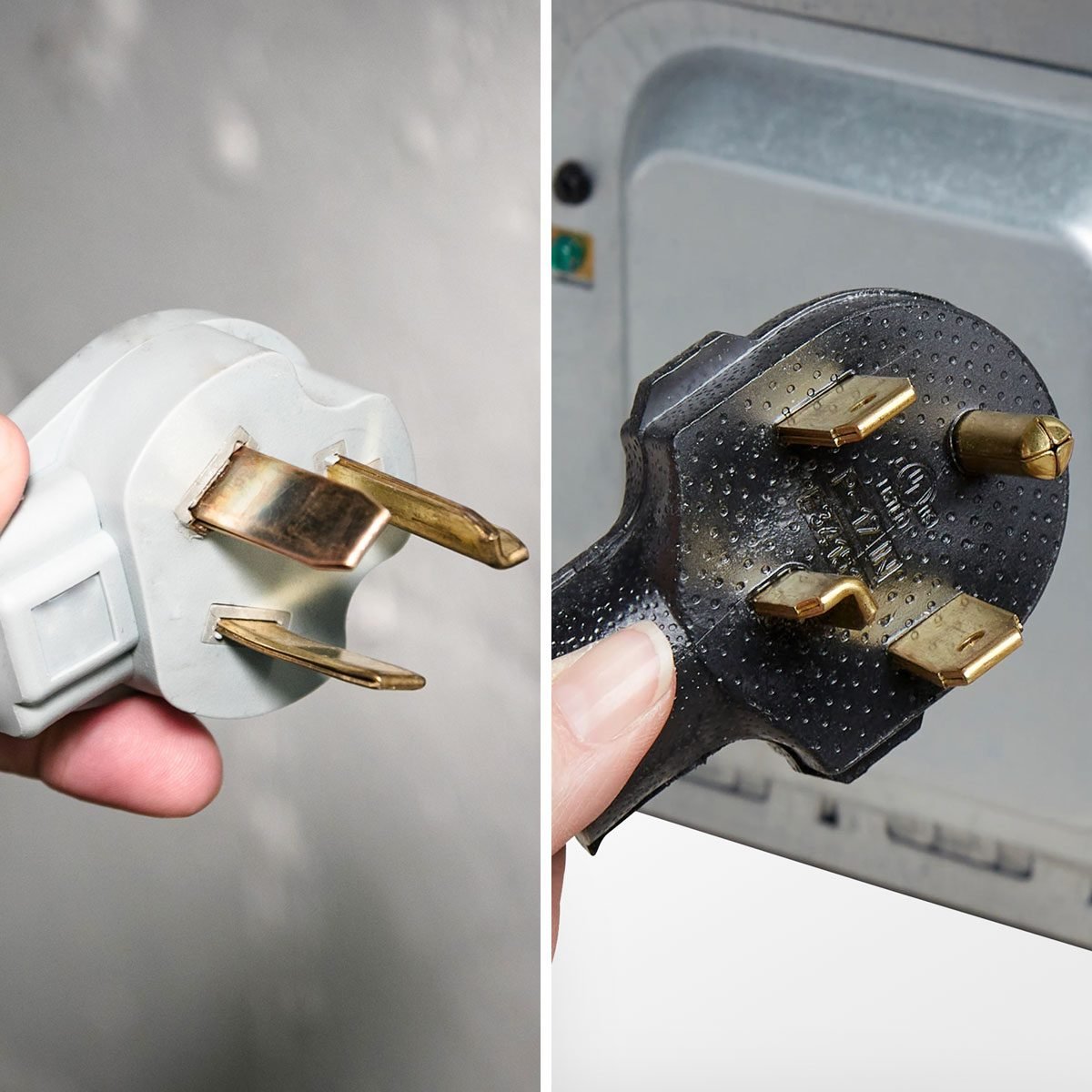
Now, here’s where it gets a little tricky. There are generally two types of dryer plugs you'll encounter: the 3-prong and the 4-prong. These aren't just different sizes; they actually represent different wiring configurations.
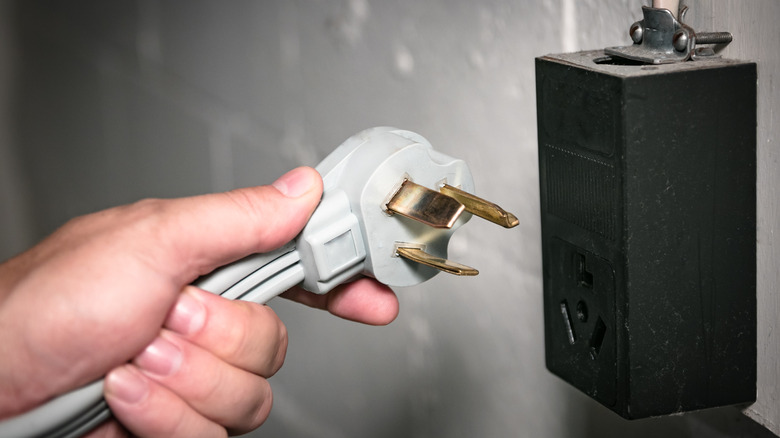
The 3-prong is the older of the two. It's like that vintage car your uncle swears is “classic,” but is actually just…old. In this configuration, the neutral wire and the ground wire are combined. While it might seem efficient, it can also be a bit riskier in terms of electrical safety.
Then there’s the 4-prong. Think of this as the modern, safety-conscious upgrade. This configuration separates the neutral and ground wires, providing a dedicated path for stray current and reducing the risk of electrical shock. It’s like having a separate lane for bicycles on the highway – safer for everyone involved.
Important Note: If you're moving into a new place or replacing your dryer, always check the outlet to make sure it matches your dryer's plug. Mismatched plugs aren't just a nuisance; they can be a serious safety hazard. Don’t try to force it! That's a recipe for disaster.
I remember one time, I tried to plug a 3-prong dryer into a 4-prong outlet using an adapter. Let's just say the results involved sparks, a tripped breaker, and a very stern talking-to from my electrician. Lesson learned: Don't mess with electricity unless you know what you're doing.
What if They Don't Match?
If your dryer plug and outlet don’t match, don't panic! You have a few options:
- Change the plug: This involves rewiring the dryer to match the outlet. This is best left to a qualified electrician. Seriously. Don’t attempt this unless you’re comfortable working with electrical wiring.
- Change the outlet: Again, this is a job for an electrician. They can safely install the correct outlet to match your dryer's plug.
- Use an adapter: While adapters exist, they're generally not recommended for long-term use, especially with high-power appliances like dryers. They can be a fire hazard if not used correctly.
Always consult with a licensed electrician to determine the safest and most appropriate solution for your situation. They're the superheroes of the electrical world, and they can help you avoid any potentially shocking (pun intended!) situations.
In conclusion, understanding your dryer plug is like understanding the feeding habits of a small, electricity-guzzling monster. Knowing the difference between a 3-prong and a 4-prong plug, and what to do if they don’t match, can save you a lot of headaches (and potentially prevent a fire hazard). So, next time you’re doing laundry, take a moment to appreciate that hefty plug – it's the unsung hero of your clean, dry clothes.