Ever watched a squirrel bury an acorn and wondered, "What exactly *do* these bushy-tailed bandits eat?" It's a surprisingly fascinating question! Understanding a squirrel's diet is not only entertaining – think of all those cute photos you can stage! – but also incredibly useful, whether you're trying to attract (or deter!) them from your garden.
So, why should you care what squirrels munch on? For beginners, knowing their favorite snacks is just plain fun! You might impress your friends with your newfound squirrel knowledge. For families, it's a great way to connect with nature and teach kids about animal behavior. And for hobbyists, like bird watchers or gardeners, understanding squirrel preferences is crucial for managing your backyard ecosystem. Are they eating all your birdseed? Maybe it’s time to offer them something they prefer instead!
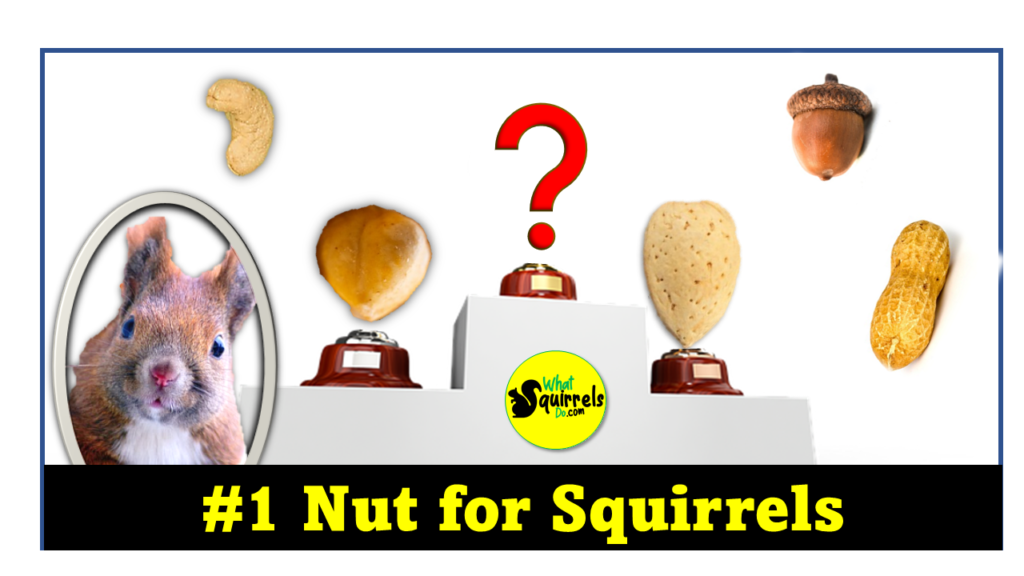
The short answer is, yes, squirrels love nuts! But the long answer is a bit more nuanced. The specific types of nuts they crave can vary depending on where they live and what’s readily available. However, some common favorites include:
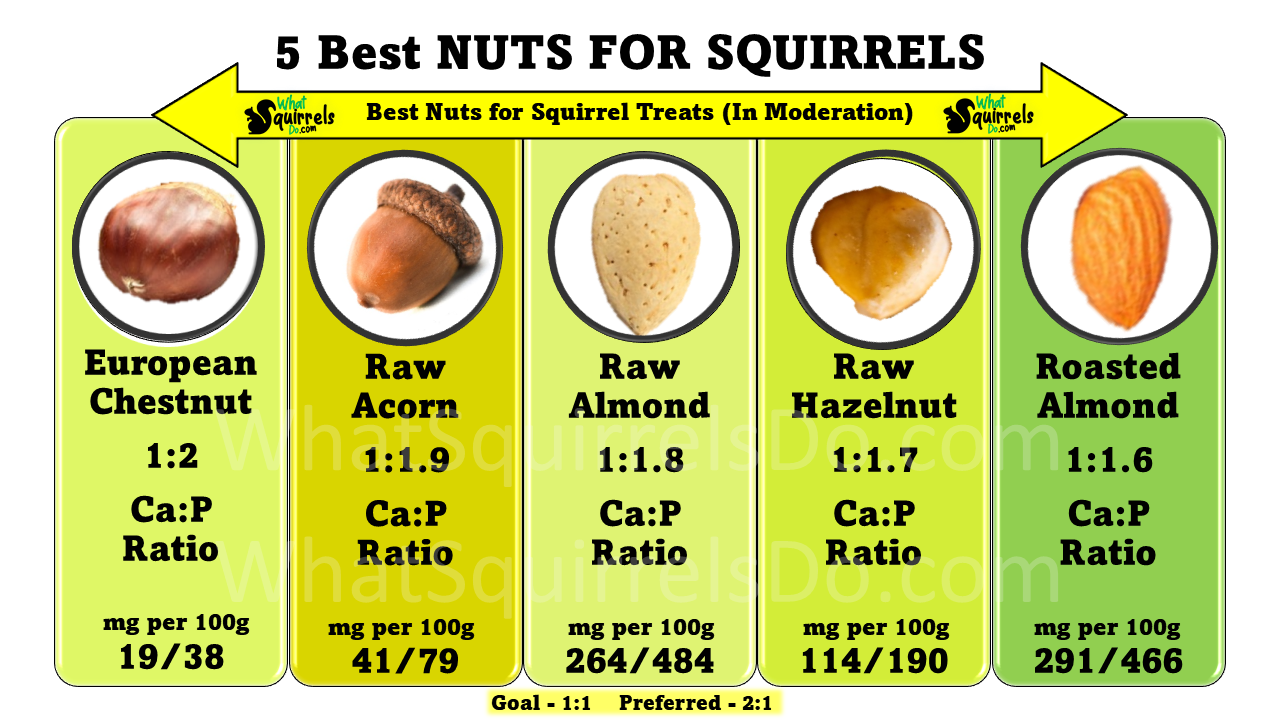
- Acorns: These are a classic squirrel staple. Different types of oak trees produce different acorns, and squirrels often have preferences based on tannin levels (the bitter taste).
- Walnuts: Black walnuts and English walnuts are both highly prized by squirrels. They'll work hard to crack them open!
- Hazelnuts (Filberts): Smaller and easier to handle than walnuts, hazelnuts are another popular choice.
- Pecans: Especially common in the southern US, pecans are a delicious and nutritious treat for squirrels.
- Beechnuts: Smaller than acorns, these nuts are often eaten in the fall and early winter.
But squirrels aren't just nut-munching machines. They're actually quite opportunistic eaters. Their diet also includes seeds (sunflower seeds are a favorite from bird feeders!), fruits, vegetables (yes, they might nibble on your tomatoes!), fungi, and even insects or small eggs on occasion. Variety is the spice of life, even for squirrels!
Variations? Absolutely! A squirrel in California might feast on almonds, while a squirrel in New England might prefer beechnuts. The availability of specific nuts is the key factor. They will also adapt to what humans provide - don't be surprised to see them enjoying peanut butter on a bird feeder (though this isn’t the healthiest option for them).
So, how do you get started attracting (or discouraging!) squirrels? Here are a few simple tips:
- To attract: Offer a variety of nuts in a squirrel feeder. Make sure the feeder is squirrel-proof for birds if you're trying to keep the squirrels out of your birdseed.
- To discourage: Protect vulnerable plants with netting or fencing. Use squirrel-resistant bird feeders. Consider planting vegetation that squirrels don't find appealing.
- Observe! Pay attention to what the squirrels in your area seem to prefer. This will help you tailor your strategy.
Ultimately, learning about what nuts squirrels eat is more than just a quirky fact. It's a doorway to understanding their behavior, their role in the ecosystem, and how we can better coexist with these fascinating creatures. So, grab your binoculars, head to the park, and start observing! You might be surprised at what you discover about the dietary habits of your local squirrel population. It's a fun, enriching experience that connects you to the natural world right outside your door. Enjoy the nutty adventure!