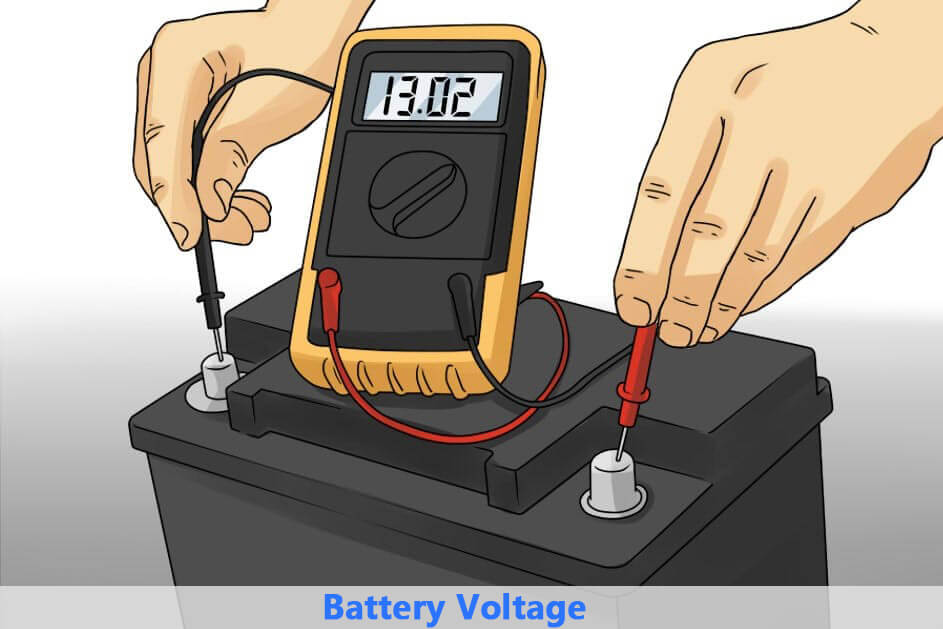
Okay, so picture this: I'm struggling to assemble this ridiculously complicated flat-pack furniture. The instructions are, shall we say, *open to interpretation*. And then, to add insult to injury, my trusty power drill gives up the ghost. Dead. Zilch. I check the battery. Yep, it's the culprit. But it got me thinking... what actually *is* the voltage of this thing anyway? And why do some batteries say 1.5V while others scream "12V of POWER!!!" like some kind of electric superhero?
That, my friends, is what we're diving into today. Let's demystify the magic number on the side of your batteries: voltage. Think of it as the battery's "push" – the force that drives electrons (electricity!) through a circuit. The higher the voltage, the more "oomph" the battery has. So, a 12V battery is essentially telling those electrons to *really* get moving.
Voltage: The Electron's Wild Ride
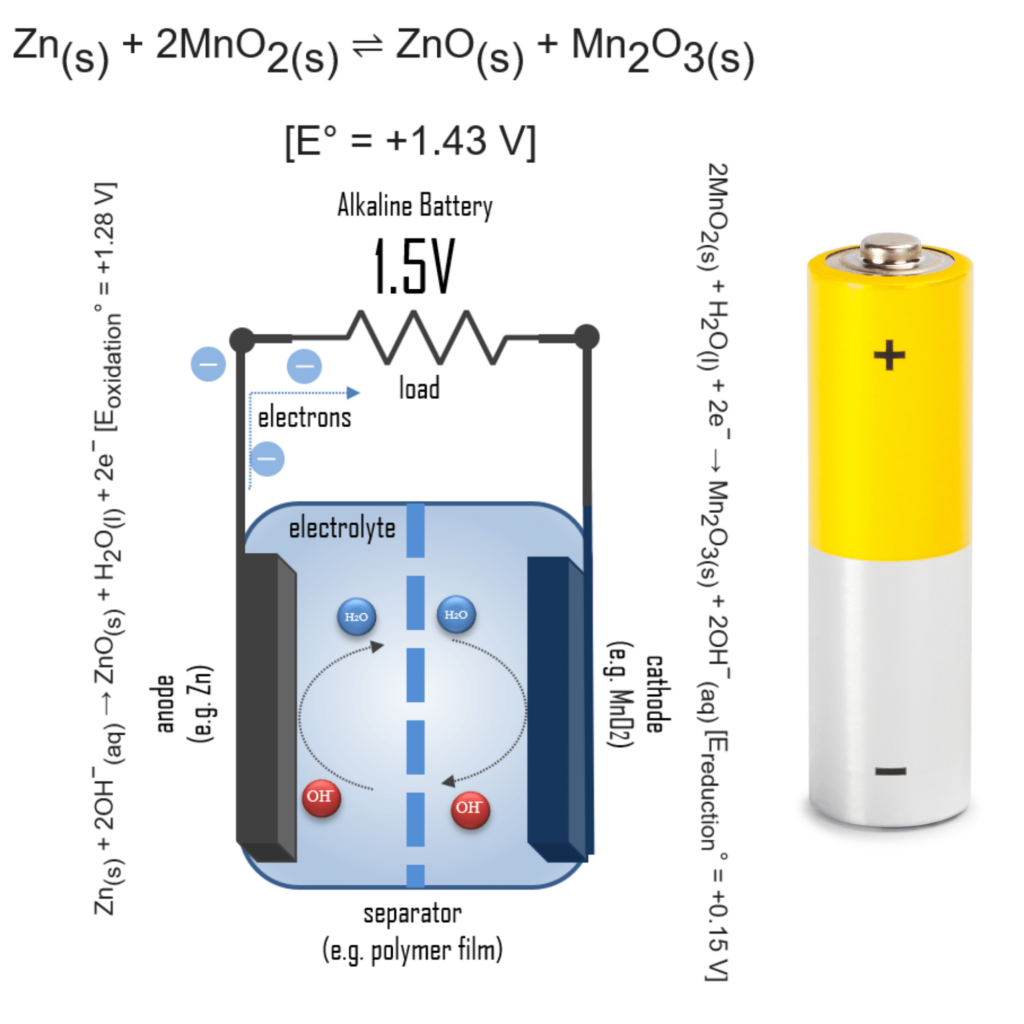
Now, a little (very simplified) science. Batteries work by creating a chemical reaction that separates electrons. One end of the battery ends up with a surplus of electrons (the negative terminal), and the other end has a deficit (the positive terminal). Voltage is basically a measurement of how big that difference is. The bigger the difference, the more eager the electrons are to zoom from the negative side to the positive side when you connect a circuit.
Side note: Don't worry, you don't need a PhD in chemistry to understand this. Just picture a playground slide. Voltage is like the height of the slide. The higher the slide, the more speed you'll pick up going down!
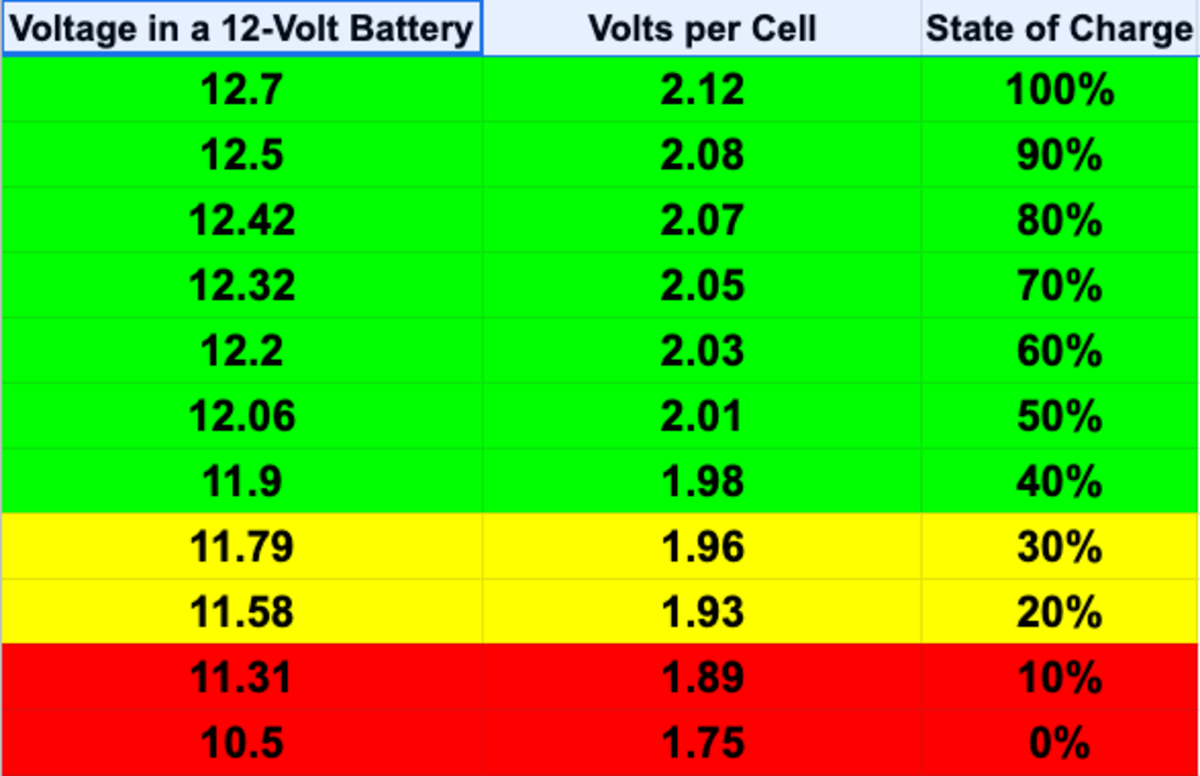
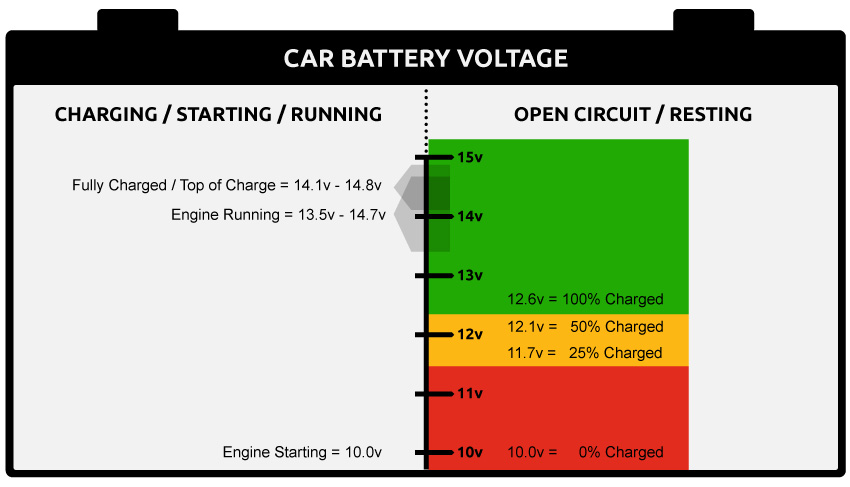
Different types of batteries have different voltages because of the chemicals they use and how they're constructed. A standard AA battery, for example, typically clocks in at 1.5V. Car batteries, on the other hand, are usually 12V. Why the difference? Well, a car needs a whole lot more "push" to crank that engine than your TV remote needs to change the channel. (Although sometimes, I feel like changing the channel *does* require Herculean effort.)
Common Battery Voltages and Their Usual Suspects
Let's break down some common battery voltages and where you'll typically find them:
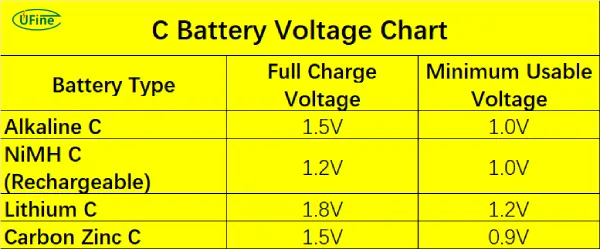
- 1.5V: This is your bread-and-butter battery voltage. Think AA, AAA, C, and D batteries. They power everything from your remote controls and toys to flashlights and clocks.
- 3V: Button cell batteries, often used in watches, calculators, and some small electronic devices. These little guys pack a surprising punch for their size.
- 6V: Often found in lanterns, some emergency lights, and older toys.
- 9V: Smoke detectors, some radios, and specialized electronic equipment. The rectangular battery that always seems to be missing when your smoke alarm starts beeping at 3 AM.
- 12V: Car batteries, motorcycles, security systems, and some power tools. The heavy hitters of the battery world.
Keep in mind that these are just general examples. There are always exceptions! Always check the device's specifications to make sure you're using the correct voltage battery. Mismatched voltages can lead to all sorts of problems, from your device not working properly to, well, things exploding. (Let's avoid explosions, shall we?)
Why Voltage Matters (Besides Avoiding Explosions)
Using the correct voltage is crucial for a few key reasons:
- Performance: Using a battery with too *low* a voltage might mean your device doesn't work at all or performs poorly. It's like trying to power a monster truck with a tiny hamster wheel.
- Safety: Using a battery with too *high* a voltage can overload the device and damage its internal components. This can lead to overheating, fire, and, yes, even explosions. (Seriously, don't mess with the voltage, folks!)
- Longevity: Using the wrong voltage can shorten the lifespan of both the battery and the device. You'll be replacing them more often, which is bad for your wallet and the environment.
So, the next time you're rummaging through your junk drawer for a spare battery, take a quick peek at the voltage. It's a simple number that can make a big difference. And hey, maybe it'll even help you avoid a furniture-assembly-induced meltdown. (Speaking from experience here...)
And if you're still confused, don't be afraid to ask! There are plenty of resources online and helpful people at your local hardware store who can help you sort things out. Happy battering! (That's not a real word, but you get the idea.)