
Ever sat mesmerized by a crackling campfire, the flickering flames dancing in the twilight? It's primal, captivating, and deeply rooted in our human experience. But have you ever stopped to consider what *actually* makes that fire, well, fire?
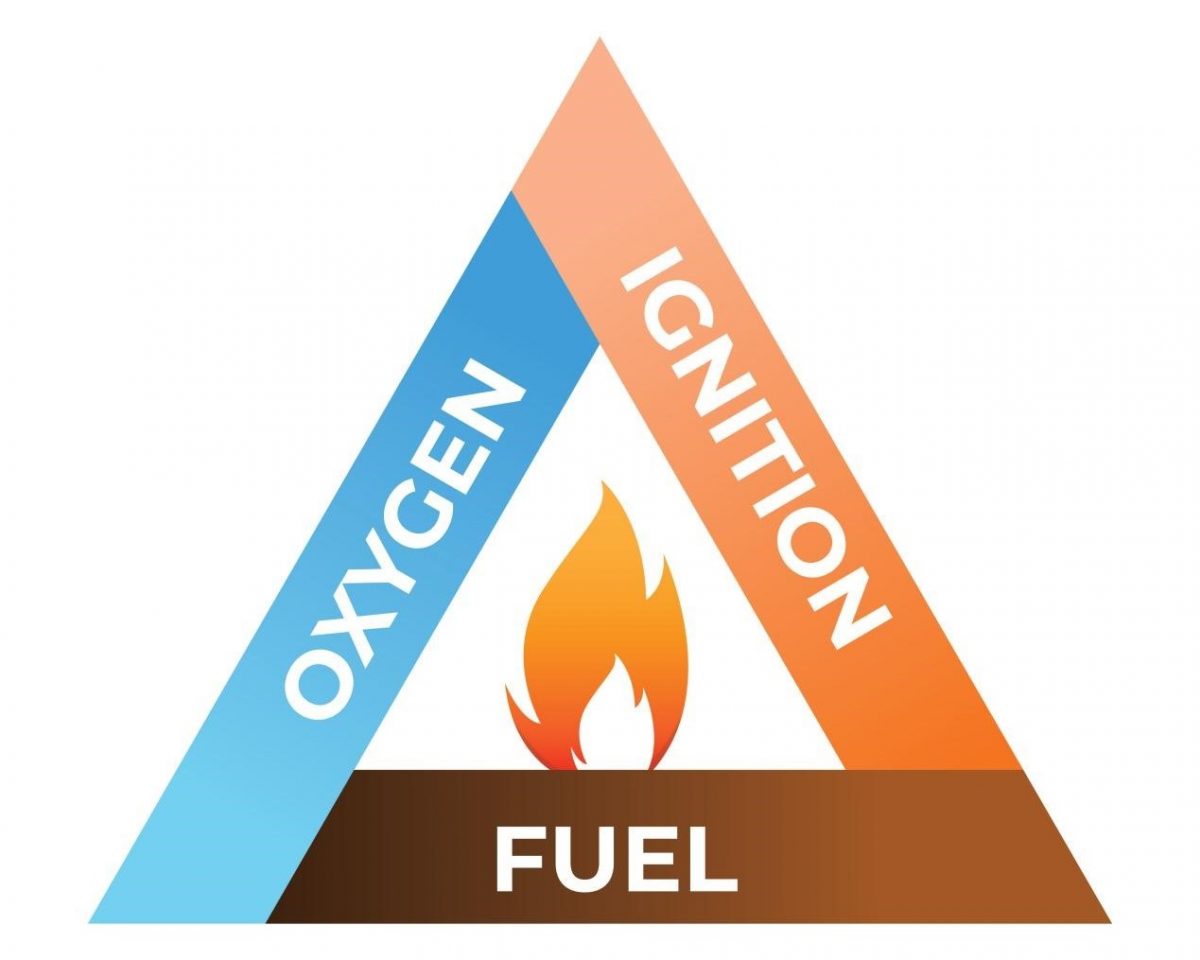
Forget complicated chemistry textbooks. We're breaking it down into three simple, elemental components. Think of it as the holy trinity of fire – the three things absolutely essential for that beautiful blaze to exist.
The Fuel: Dinner for the Flames
First up, we have fuel. This is the stuff that *burns*. Obvious, right? But fuel isn't just wood. It can be anything combustible: paper, propane, gasoline, even dust particles in the right concentration (yikes!). Think of a finely powdered sugar explosion – that’s fuel at work!
The key to good fuel? It needs to be dry and easily ignitable. Ever try lighting damp firewood? Frustrating, isn't it? That's because the water is competing with the combustion process. Think of the old saying, “Where there’s smoke, there’s fire…” well, actually, sometimes it’s just wet wood! Prepare your fuel well.
Pro-tip: When building a campfire, start with small, dry kindling like twigs and bark. Gradually add larger pieces of wood as the fire grows. Think of it as feeding a baby – start small and work your way up! Also, knowing your wood is key. Pine burns fast and hot, but also creates more smoke and sparks. Hardwoods like oak and maple burn slower and cleaner – ideal for a long-lasting, cozy fire. It is important to remember to be safe with your fuel and always be concious of your surrounding when you are dealing with fire.
The Oxidizer: Oxygen, the Breath of Fire
Next, we need an oxidizer. In almost all cases, that's oxygen. Fire needs oxygen to sustain the chemical reaction of combustion. Without it, the flame suffocates, just like we do without air.
That's why you can extinguish a candle by putting a glass jar over it. You're depriving the flame of oxygen. Ever seen a firefighter use a fire blanket? Same principle. Block the oxygen, stop the fire.
Fun Fact: Did you know that the air we breathe is only about 21% oxygen? That's enough to sustain most fires, but pure oxygen environments can lead to incredibly intense and dangerous flames. Think welding torches – those need a concentrated oxygen source to melt metal!
Heat: The Spark That Starts It All
Finally, we have heat. This is the initial energy needed to ignite the fuel and start the combustion process. Think of it as the spark that gets everything going.
This heat can come from various sources: a match, a lighter, friction (like rubbing two sticks together – a classic!), or even a concentrated beam of sunlight (remember using a magnifying glass to burn ants as a kid? Maybe don't do that!).
The amount of heat required varies depending on the fuel. Some materials are highly flammable and ignite easily with just a small spark. Others require a lot more heat to reach their ignition point.
Practical Tip: When using a lighter or match, direct the flame towards the driest part of your fuel. This helps to generate enough heat to ignite the surrounding material. And always keep a safe distance and be aware of your surroundings! If you plan on lighting a fire, be sure to always check any potential fire restrictions in your area. Some area are prone to quickly spreading wildfires, and lighting an open fire would only contribute to the damage!
In Summary: Fuel, Oxidizer, and Heat. Without all three of these elements, you simply can't have fire. They work together in a delicate balance, creating that captivating dance of light and heat.
A Little Reflection
The three elements of fire are more than just scientific concepts. They're a reminder that even the most powerful forces in nature are built on simple foundations. In our own lives, we often need a combination of factors – resources (fuel), support (oxidizer), and motivation (heat) – to achieve our goals.
So, the next time you're enjoying a cozy fire, take a moment to appreciate the interplay of these essential elements. And remember, just like fire, our own potential needs the right conditions to truly ignite. Nurture your passions, seek out support, and never be afraid to spark something new.


