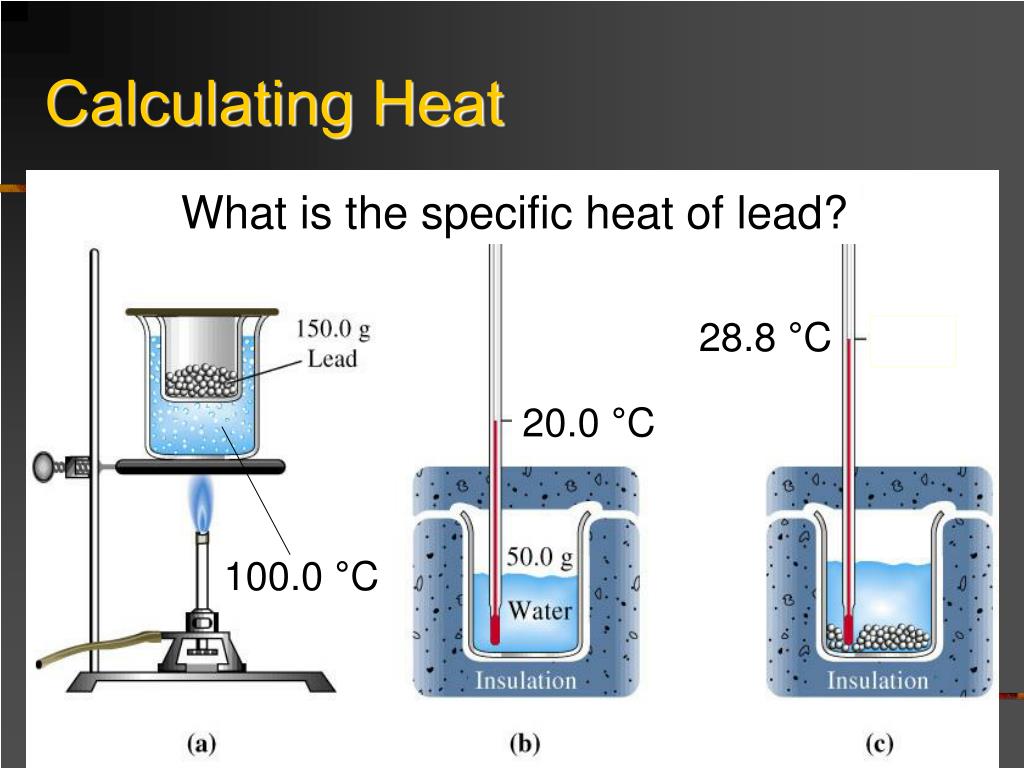
Ever wonder why that old lead pipe always feels surprisingly warm (or surprisingly cold) to the touch? It's all thanks to something called specific heat! Think of it as lead's own personal temperature quirk.
Lead and its Thermal Personality
Imagine a room full of different materials. You have fluffy cotton, shiny steel, and, of course, our friend, lead. They all start at the same temperature, but watch what happens when you give them a little heat!
Some materials, like cotton, soak up that heat quickly, feeling hotter much faster. Lead, on the other hand, is like that stoic friend who doesn't let anything faze them. It's all about that specific heat.
What's Specific Heat, Anyway?
Specific heat is essentially how much energy it takes to raise the temperature of something by a certain amount. Think of it as the material's resistance to temperature change.
High specific heat means it takes a lot of energy to make the material hotter. Low specific heat means it heats up easily.
So, if you have a pan made from a material with a low specific heat like lead, it will reach your desired cooking temperature faster. Conversely, if you want to keep something warm for longer, you would want to use a material with a high specific heat.
Lead's Laziness: Low Specific Heat in Action
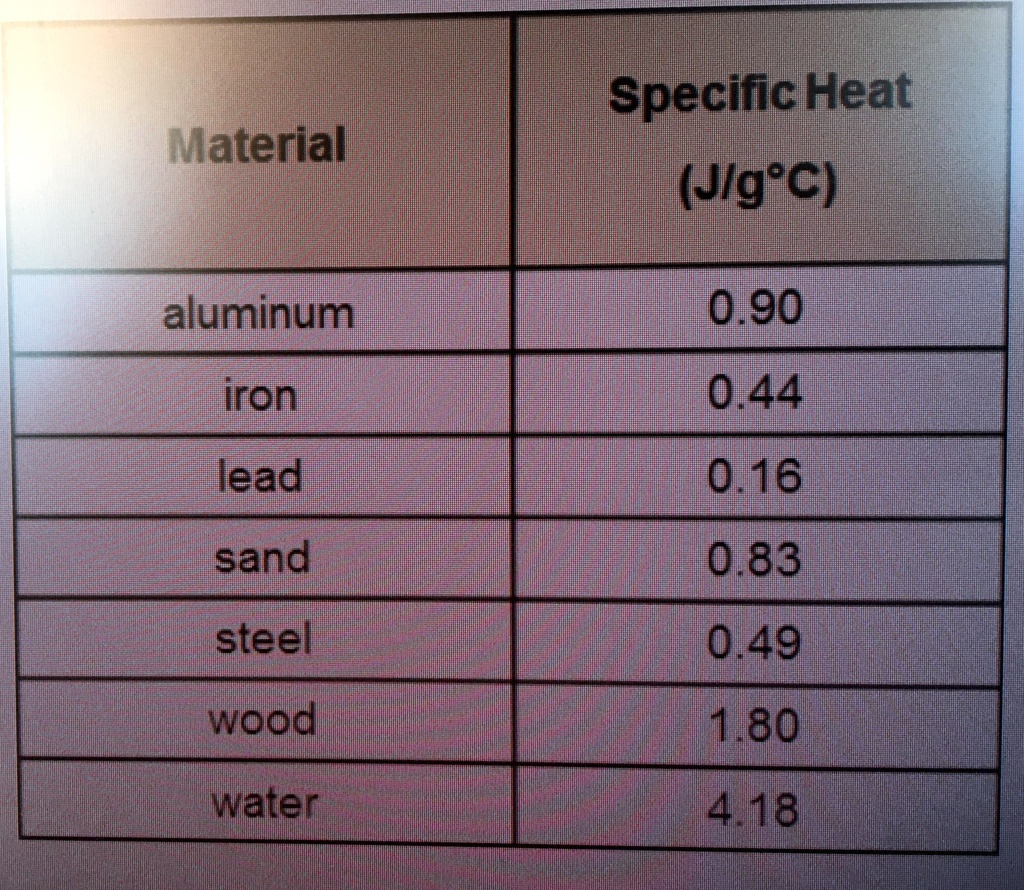
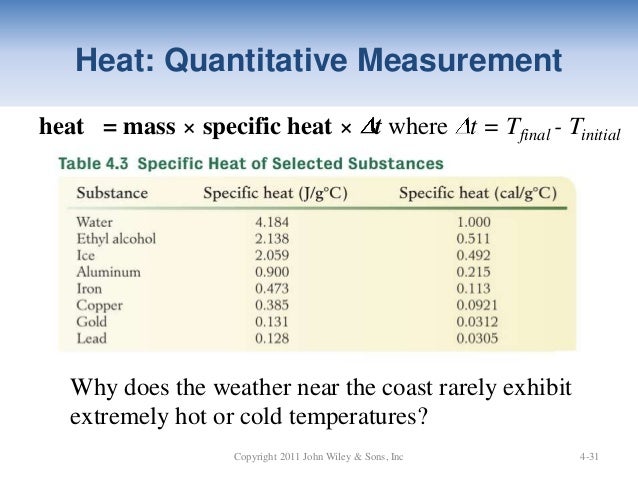
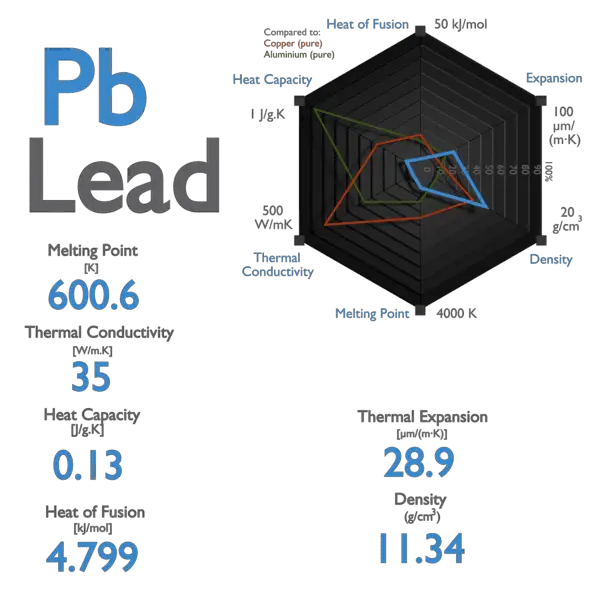
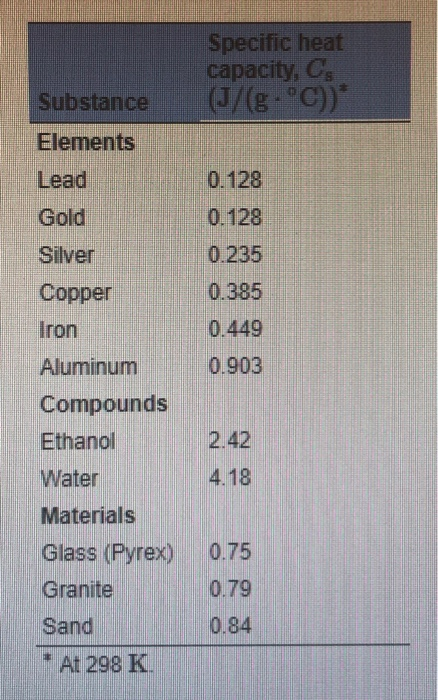
Lead has a very low specific heat. This means it doesn't take much energy to change its temperature. It's thermally "lazy," resisting temperature changes.
This is why a lead pipe will feel cold even if the air around it is warm, and warm even if the air is cool. It readily gives up or absorbs heat, quickly aligning with the surrounding temperature.
Imagine a tiny, leaden Scrooge McDuck, hoarding his heat pennies instead of investing them in a temperature change! He is very reluctant to change his temperature.
Lead's Party Trick: Thermal Conductivity
Now, don't confuse specific heat with thermal conductivity! That's a different beast entirely. Thermal conductivity is about how well a material transfers heat.
Lead is actually a pretty good conductor of heat. It doesn't take much energy to change its temperature, so it quickly passes heat to whatever it's touching.
Specific heat is how much heat *you* need to apply to make a change, and thermal conductivity is how quickly the heat you apply will be passed along. It's the difference between a stubborn mule and a fast runner!
Why Should We Care About Lead's Specific Heat?
Okay, so lead is a bit of a thermal underachiever. Why is this important? Well, its low specific heat makes lead useful (and sometimes problematic) in various applications.
Historically, and sometimes currently, lead has been used in soldering. It heats up quickly allowing for efficient creation of durable joints.
The low specific heat of lead, combined with its high density and relative cheapness, made it popular for radiation shielding. It will heat up quickly and also absorb a lot of radiation.
The Dark Side: Lead's Toxicity
Unfortunately, lead is also toxic. That means using it in everyday applications comes with serious health risks. So while lead's specific heat might be interesting, its toxicity often overshadows its usefulness.
Ingestion of lead, especially by children, can have detrimental health effects. It is a neurotoxin that may result in long-term neurological problems.
Think of lead as that fascinating but untrustworthy character in a novel. He might have some interesting qualities, but you wouldn't want him living in your house!
Lead's Legacy: A Cautionary Tale
Lead's story is a great reminder that even seemingly simple properties like specific heat can have big implications. And it shows us that things aren't always as simple as they seem.
Its use in old plumbing demonstrated the practical advantage of its low specific heat. But it also shows the danger of overlooking the health consequence of using a toxic material.
So next time you encounter something made of lead (hopefully safely!), remember its lazy thermal nature. It's a small reminder that even the smallest details can tell a big story.
Beyond Lead: Exploring the World of Specific Heat
The specific heat of lead is just one example of how this property affects our world. Water has a very high specific heat, which is why it's so good at regulating temperature on Earth.
Metals like aluminum and copper have moderate specific heats, making them useful for cooking and heat sinks. The world around us is governed by this principle of specific heat.
So, the next time you feel the difference in temperature between metal and fabric, remember specific heat! It's a subtle but powerful force shaping our everyday lives.
Lead's Specific Heat: A Final Thought
So, what is the specific heat of lead? In simple terms, it's the amount of energy needed to heat up lead. It's a relatively low number, which explains its unique thermal behavior.
While lead's toxicity has limited its use, its specific heat remains an interesting property. It reminds us that even the most mundane materials have fascinating characteristics.
Think of lead as a reminder to look beyond the surface, and appreciate the hidden science in everything around us. The world is full of interesting properties, and lead is just one of them.
From Pipes to Planets: The Power of Specific Heat
From the pipes in our homes to the planets in our solar system, specific heat plays a crucial role. It influences everything from weather patterns to the effectiveness of our cooking pots.
Understanding specific heat gives us a deeper appreciation for the materials we use and the world we live in. And maybe even a bit of respect for that stubborn, thermally lazy element, lead!
So, go forth and explore the world of specific heat! You might be surprised at what you discover.