Let's face it, nobody really *thinks* about generators until the lights go out. But trust me, understanding what a generator does and why it's useful is surprisingly… empowering! Think of it as having a secret weapon against the chaos of a power outage. It's not just about keeping the TV on; it's about safety, convenience, and sometimes even survival. So, let's dive into the world of generators and uncover their purpose.
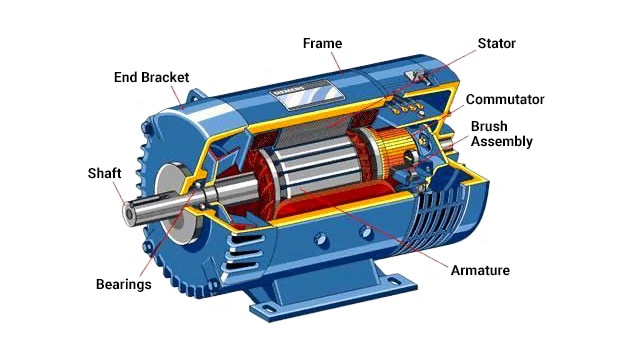
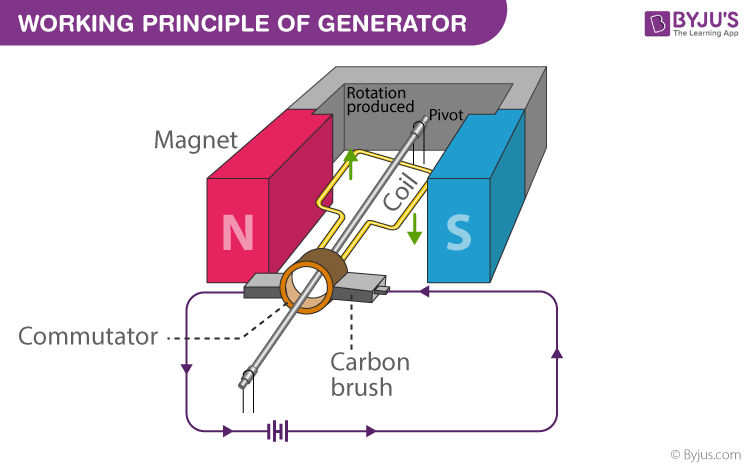
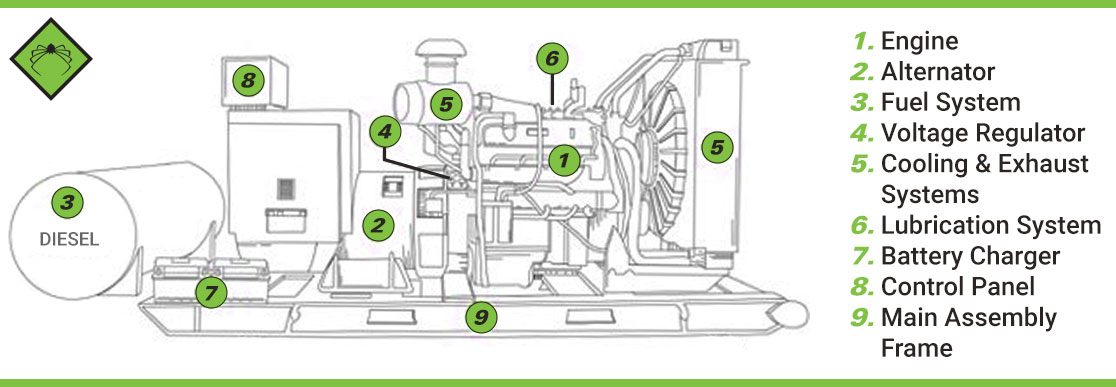
At its core, the purpose of a generator is simple: to provide electricity when the main power source fails. That "main power source" could be the electrical grid (the system that delivers power to your home) or any other primary source. Think of it as a backup plan for when things go dark. Generators don't magically create electricity; they convert mechanical energy into electrical energy. They usually do this by using an engine (powered by gasoline, diesel, propane, or natural gas) to turn a turbine, which then generates electricity.
The benefits of having a generator are numerous. Let's start with the obvious: convenience. Imagine a summer storm knocks out the power. With a generator, you can keep your refrigerator running, preventing food spoilage. You can keep the lights on, allowing you to move around safely. And yes, you can even keep the TV on to stay updated on the weather! But the benefits go beyond mere comfort.
Safety is a huge factor. Power outages can disable security systems, leaving your home vulnerable. A generator can keep your security system running, providing peace of mind. For people who rely on medical equipment that requires electricity, a generator can be a lifesaver. Imagine needing oxygen or a dialysis machine and the power goes out. A generator provides the crucial backup power needed to keep these devices running.
Then there's the issue of productivity. If you work from home, a power outage can mean lost income. A generator allows you to continue working uninterrupted. Businesses, too, rely on generators to keep operations running smoothly during emergencies. Think hospitals, data centers, and manufacturing plants. Even short power outages can result in significant financial losses for these organizations.
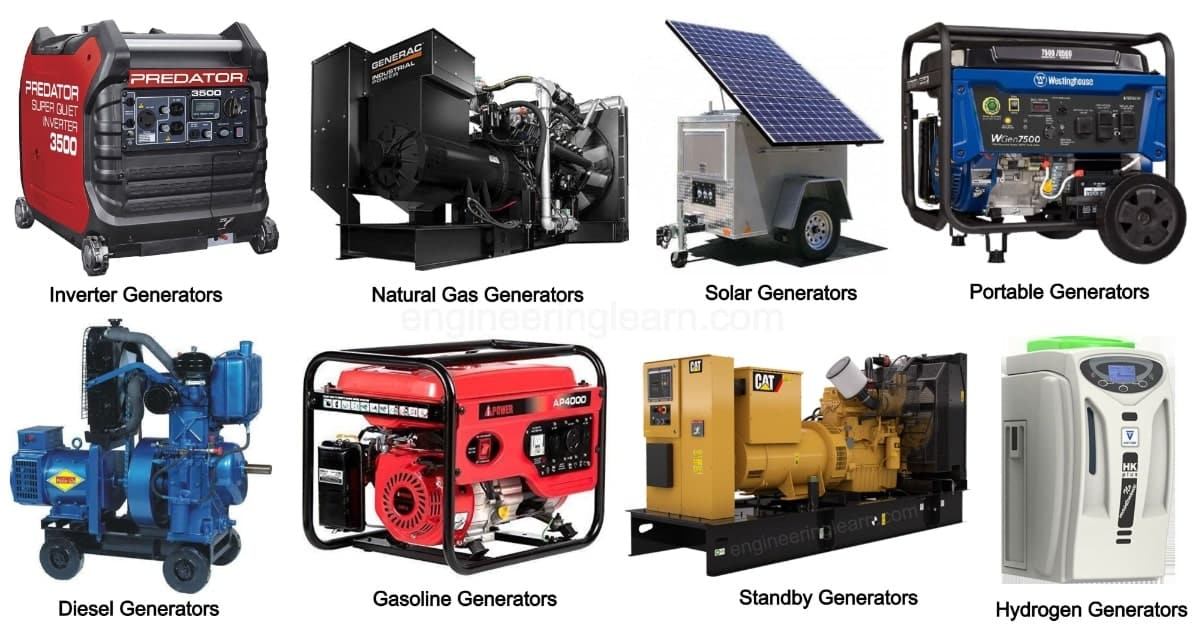
There are different types of generators, each suited for different needs. Portable generators are great for camping, tailgating, or powering a few essential appliances during a short outage. Standby generators are permanently installed and automatically kick in when the power goes out, providing seamless backup power for your entire home. Inverter generators are known for producing cleaner power, making them ideal for sensitive electronics like computers and smartphones.
So, the next time you see a generator, remember that it's more than just a noisy machine. It's a reliable source of backup power that provides convenience, safety, and peace of mind. Understanding its purpose and benefits can help you make informed decisions about whether a generator is right for you and how to choose the right one for your specific needs. It's an investment in preparedness, ensuring that you're ready for whatever Mother Nature (or the local power grid) throws your way!