Ever wondered why some bridges seem to bounce ever so slightly in the wind, or why your favorite rubber band snaps after a certain stretch? The secret lies, at least in part, with a fascinating property called the modulus of elasticity. It might sound intimidating, like something reserved for physics professors, but trust us, it's surprisingly intuitive and even...dare we say...artistic?
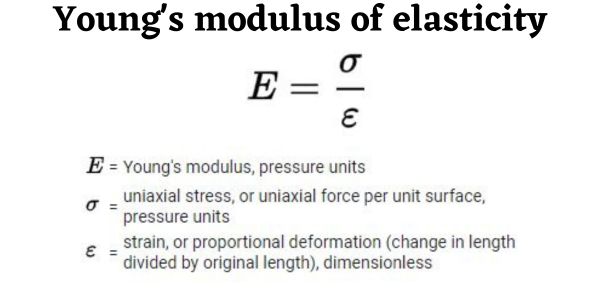
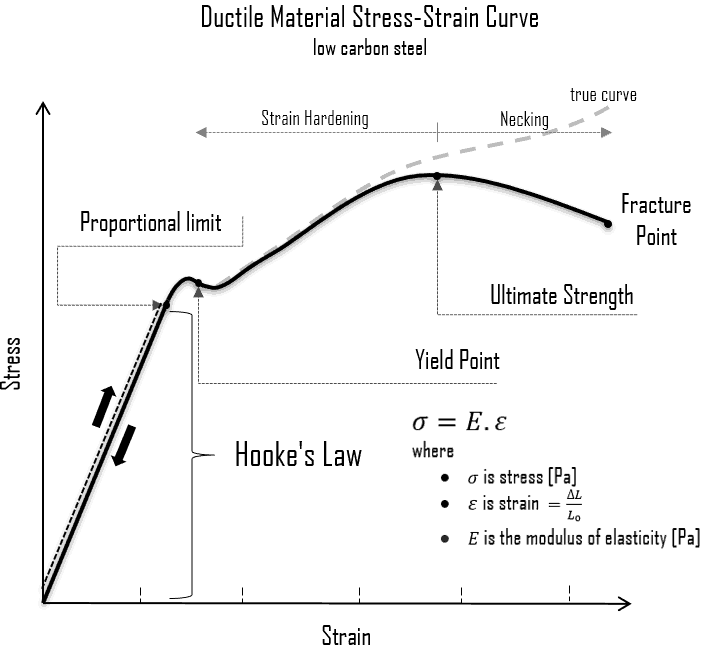
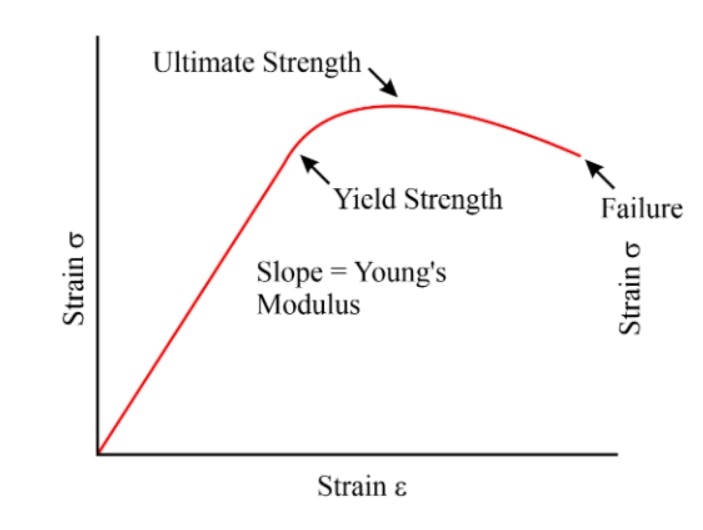
Think of the modulus of elasticity as a material's resistance to being deformed. It's essentially a measure of how stiff something is. A high modulus means it takes a lot of force to stretch or compress it, while a low modulus means it's more easily pliable. Now, you might be thinking, "Okay, great, but how does this help me build a better birdhouse or paint a stunning landscape?" The answer lies in understanding how materials *behave* under stress, and that understanding opens up a world of creative possibilities.
For artists, understanding the modulus of elasticity can be a game-changer. Sculptors, for instance, can use this knowledge to choose the perfect clay for their vision. A clay with a high modulus of elasticity might be ideal for intricate, detailed work that needs to hold its shape well. Conversely, a clay with a lower modulus might be better suited for larger, more fluid forms where malleability is key. Similarly, painters working with mixed media can consider how different surfaces will react to the stress of layering paints. Will the canvas stretch too much? Will the paint crack? Knowing the relative elasticity helps avoid disastrous results.
Hobbyists can also benefit immensely. Building a model airplane? Understanding the modulus of elasticity of balsa wood versus plastic will help you choose the right materials for a strong, lightweight structure. Building a guitar? The modulus of elasticity of different woods determines the instrument's tone and responsiveness. Even something as simple as selecting the right type of elastic for a sewing project involves an understanding of how much it will stretch and recover.
Let's look at some examples. Steel has a very high modulus of elasticity – that's why bridges can withstand incredible weight. Rubber, on the other hand, has a very low modulus, which is why it can stretch so much. Consider the difference between a tightly strung piano wire (high modulus) producing a clear, ringing tone, and a loose string on a child's toy (low modulus) creating a dull thud. Even different types of wood vary greatly. Oak, known for its strength, has a higher modulus than, say, pine.
Want to experiment at home? Try this simple activity: gather different types of rubber bands. Attach weights to them and measure how much each one stretches. The rubber band that stretches the least under the same weight has the highest modulus of elasticity. You can also try bending different types of wood (safely!) and observing how much they flex. Remember, safety first!
The true joy in understanding the modulus of elasticity lies in seeing the world with new eyes. It transforms everyday objects into fascinating examples of material science. It's about appreciating the subtle dance of forces and understanding how things work at a fundamental level. It's about unlocking a new level of creativity and problem-solving. And, who knows, maybe you'll even build a better birdhouse in the process! So, embrace the elasticity of your mind and explore the wonders of the modulus!