Ever wondered what goes into making things shine, last longer, or even power your everyday devices? The answer often lies in the fascinating world of metals, and today, we're diving into one that's particularly versatile: nickel. It's probably already playing a bigger role in your life than you realize, and understanding its properties and uses is surprisingly engaging!
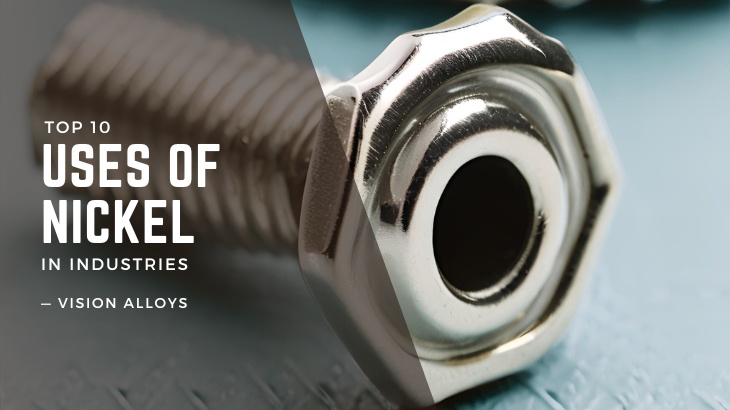
So, what exactly does nickel do? Its primary superpower is its ability to resist corrosion. That means it doesn't rust easily, which makes it incredibly valuable for protecting other metals. Think of it as a bodyguard for steel! When nickel is added to steel, it creates stainless steel, a material celebrated for its durability and resistance to tarnishing. This makes it perfect for applications where hygiene and longevity are paramount.
The benefits of nickel extend beyond just preventing rust. It's also strong, ductile (meaning it can be stretched into wires), and can withstand high temperatures. These characteristics make it indispensable in a wide range of industries. For example, in education, you might find nickel-containing alloys in laboratory equipment like beakers and Bunsen burners because they need to withstand harsh chemicals and high heat. The wires in heating elements used in science experiments may also contain nickel.
In your daily life, nickel is practically everywhere. Kitchen sinks and cookware are often made of stainless steel. The rechargeable batteries that power your smartphones, laptops, and even electric vehicles rely heavily on nickel. Think about the coins in your pocket or purse – many of them contain nickel! Even musical instruments, like the strings on a guitar, benefit from nickel's durability and tonal qualities. The world of construction relies on nickel alloys for structural components that need to last for decades.
But the uses don't stop there. Nickel is also crucial in the chemical industry as a catalyst – a substance that speeds up chemical reactions without being consumed itself. This is vital for producing everything from plastics to pharmaceuticals. Furthermore, nickel is used in plating other metals to give them a shiny, protective coating. This is why some faucets and car parts have that bright, chrome-like finish (often a layer of nickel underneath the chrome!).
Want to explore nickel further? A simple way to start is by observing the objects around you. Look for items labeled "stainless steel" and consider what properties of the material make it suitable for that particular application. Research the different types of rechargeable batteries and see how nickel is used in each. You could even try a simple experiment to compare the corrosion resistance of a steel nail and a stainless steel nail. Remember, always handle materials safely and with adult supervision if needed!
The more you look, the more you'll realize just how essential nickel is to the modern world. It's a silent workhorse that makes our lives easier, safer, and more sustainable. So, the next time you see something shiny, durable, or powered by a rechargeable battery, take a moment to appreciate the role of this unassuming but vital metal!