Ever wondered what happens to that shiny brass instrument after a fiery dragon encounter? Okay, maybe not that exactly! But understanding the melting point of brass is surprisingly interesting and useful, especially if you're into anything from crafting cool DIY projects to understanding the materials around you. It’s like having a secret superpower – knowing how materials behave under extreme conditions!
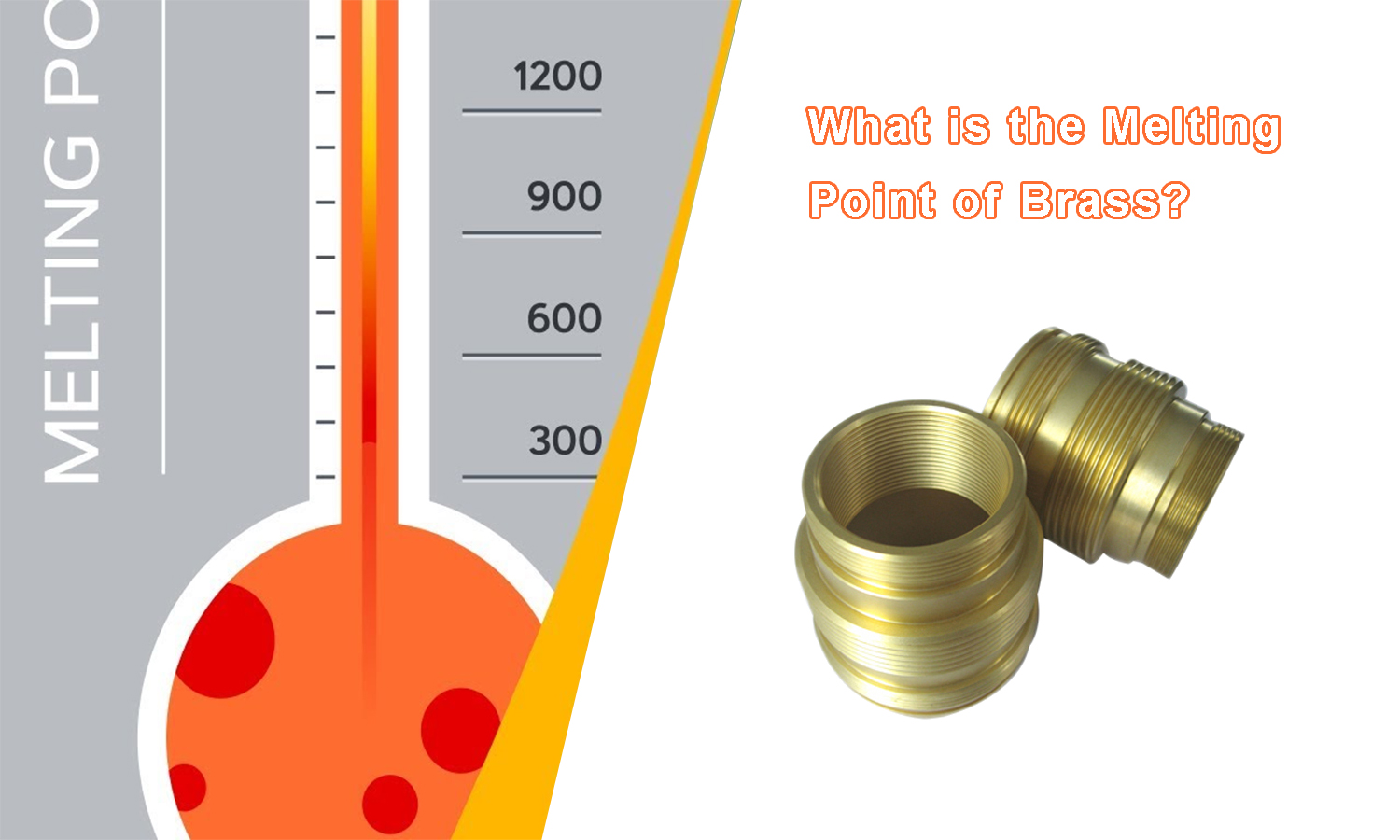
So, what exactly *is* the melting point of brass? The answer isn't as straightforward as you might think because brass isn't a single element. It's an alloy, a mixture primarily of copper and zinc. The exact melting point depends on the specific ratio of these metals. Generally, brass melts somewhere between 900 and 940 degrees Celsius (1652 and 1724 degrees Fahrenheit).
Why should you care? Well, for beginners getting into metalworking, knowing the melting point is crucial for safe and successful projects. Imagine trying to melt brass in your backyard barbeque – you'd be sorely disappointed! Knowing the temperature allows you to choose the right tools and methods. For families exploring science and crafts, understanding brass’s properties can lead to fun experiments, like comparing its malleability to other metals at different temperatures (under strict adult supervision, of course!).
Hobbyists, from jewelry makers to model builders, also benefit immensely. When casting brass parts for miniatures or crafting intricate brass findings for necklaces, accurately knowing its melting temperature ensures the metal flows properly into molds and doesn't burn or degrade. Think about it – if you're creating a steampunk-inspired gadget with intricate brass gears, you need to know the limits of your material!
There are variations in brass compositions to consider. For example, "red brass" has a higher copper content and a slightly higher melting point compared to "yellow brass," which contains more zinc. Naval brass, containing tin, is more corrosion resistant, making it suitable for marine applications. Different alloys have different applications and characteristics, and knowing the composition helps you understand the material's melting behavior and suitability for specific uses.
Getting started with learning about brass is easier than you think! Start by researching common brass alloys online. Look for tables specifying the copper and zinc content. Many websites provide information on the melting points of different brass alloys. You can also check out online forums and communities dedicated to metalworking where experienced crafters share tips and tricks. Even simple experiments (under safe, controlled conditions!) with small pieces of brass can give you a better understanding of its properties.
Practical tip: If you're planning on melting brass, always use proper safety gear, including eye protection, gloves, and a well-ventilated workspace. Never melt brass indoors without professional equipment and ventilation.
Understanding the melting point of brass opens up a world of possibilities, from creating beautiful jewelry to building complex machines. It’s a satisfying blend of science and art, providing a deeper appreciation for the materials around us and the amazing things we can create with them. So, go ahead, explore the fascinating world of brass – you might just discover your next favorite hobby!