Ever wondered about the magic of metals? I bet you have! Let's dive into the fascinating world of tin and its super cool melting point. It's more interesting than you might think!
Tin's Big Moment: The Melting Point Reveal!
So, what's the big secret? What temperature does tin decide to become all melty and exciting? Get ready... it's 232 degrees Celsius (or 450 degrees Fahrenheit)!
That's not scorching hot like some other metals, right? Think about your oven. It's not too far off some baking temperatures.
That relatively low melting point is what makes tin so darn useful and kind of special.
Why is the Melting Point of Tin a Big Deal?
Okay, so it melts at 232°C. Big whoop, right? Wrong! That number unlocks a whole world of possibilities. Think about history and modern technology.
Imagine trying to work with a metal that needed thousands of degrees to melt. Yikes! That would make crafting anything a real challenge.
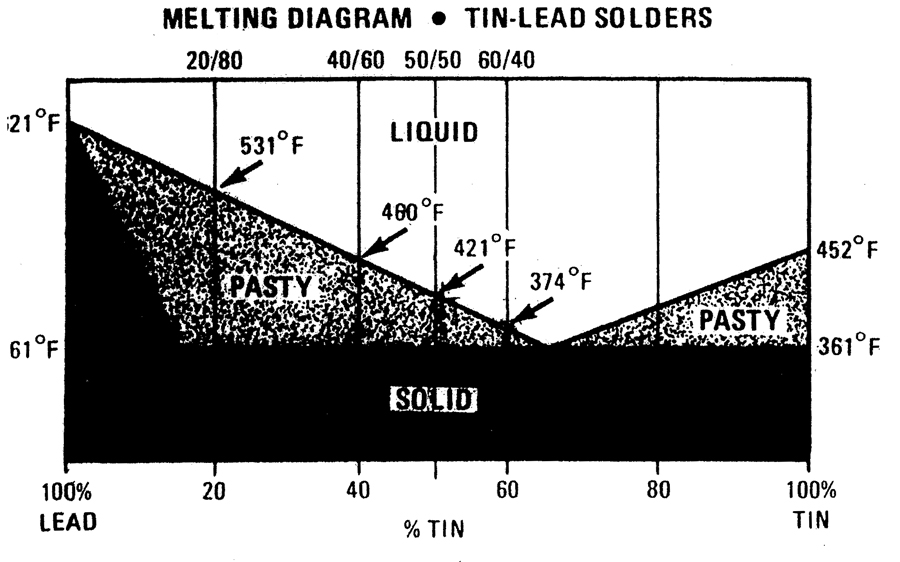
Tin's relatively low melting point makes it perfect for soldering electronics, creating alloys, and even lining food cans! It's like the Goldilocks of metals – not too hot, not too cold, just right!
Tin Soldiers and Solder: A Melty History
Remember those adorable tin soldiers you might have seen (or even played with)? You wouldn't be able to make them if it was hard to melt!
Centuries ago, people figured out they could melt tin over a fire. This allowed them to cast it into all sorts of cool shapes. Voila! Toys, decorations, and even essential household items were born.
But the real game-changer was discovering how to use tin in solder. Solder is that stuff that helps connect electronic components.
Without tin-based solder, our modern world of smartphones and computers just wouldn't exist. Seriously, tin is a low-key hero of the digital age.
Alloys: Tin's Talent for Teamwork
Tin is also a fantastic team player. It loves to hang out with other metals and form alloys.
What's an alloy? It’s like a super-powered metal combo! By mixing tin with other metals, you can create materials with enhanced properties.
For example, tin mixed with copper makes bronze. Bronze is strong, durable, and corrosion-resistant. It was a game-changer in ancient times for making tools and weapons.
Another popular alloy is pewter, which is mostly tin. It's been used for centuries to make everything from mugs to decorative items. It is easy to cast and has a beautiful shine.
The "Tin Cry": A Weird and Wonderful Phenomenon
Here's a fun fact! When you bend a bar of pure tin, it makes a strange creaking sound. This is called the "tin cry."
What causes this weird noise? It’s due to the tin crystals rubbing against each other as the metal deforms. It's a bit like tiny metal voices complaining about being bent!
It’s a totally harmless and a super unique characteristic of tin. Next time you see a video of it, you’ll know the secret!
Tin and Food: A Safe and Sound Partnership
Did you know tin is also used to line food cans? Sounds a bit odd, right?
Well, tin is non-toxic and corrosion-resistant. This makes it an ideal material to protect food from contamination and keep it fresh.
While other materials are used now, tin linings were a crucial innovation in food preservation. It helped make food last longer and travel further. This improved diets around the world.
Melting Tin at Home: Please Don't!
Now, I know you might be thinking, "Wow, melting tin sounds like a fun experiment!"
And while it is fascinating, please don't try melting tin at home without proper safety precautions. Melting metals can be dangerous if you don't know what you're doing.
You need proper ventilation, safety gear, and a heat source that can be accurately controlled. Leave it to the professionals!
Where to See Tin in Action
Want to witness the wonder of tin in person? Look around you!
Check out the solder joints on electronic devices. Examine antique pewterware at a museum. Even look closely at some food cans in your pantry.
Tin is everywhere! Once you know what to look for, you'll start spotting it all over the place.
The Future of Tin: Bright and Shiny!
So, what's next for tin? This versatile metal will continue to play a crucial role in our lives for years to come.
New applications for tin are constantly being developed. They range from advanced electronics to sustainable energy solutions.
With its unique properties and relatively low melting point, tin is sure to remain a valuable and essential material in the 21st century and beyond.
Tin: A Metal with a Story to Tell
From ancient bronze tools to modern-day smartphones, tin has been quietly shaping our world for millennia.
Its melting point of 232°C is more than just a number. It’s the key that unlocks its incredible versatility and makes it an indispensable part of our lives.
So, next time you encounter something made of tin, take a moment to appreciate the fascinating story behind this unassuming metal.
Why Tin's Melting Point Matters: In a Nutshell
Let's recap why tin's melting point is so vital. It influences practically everything it's used for.
It is easy to melt! This makes tin perfect for crafting toys, electronics, and even lining food cans.
It also makes it a great team player when creating stronger alloys.
Get Curious About Chemistry!
Hopefully, this has sparked your curiosity about the world of chemistry and material science!
The melting point of tin is just one small piece of a vast and fascinating puzzle.
Keep exploring, keep asking questions, and you never know what amazing discoveries you might make!
Beyond Melting Point: Other Tin Properties
The melting point isn't everything. Tin has other tricks up its sleeve.
It's corrosion-resistant. This means it doesn't rust easily, making it great for protecting other materials.
It is also malleable, meaning you can easily hammer it into thin sheets. How cool is that?
Tin and Sustainability
We are talking about something important: responsible sourcing of tin.
Tin mining can have environmental and social impacts. So it's crucial to ensure that tin is sourced ethically and sustainably.
Look for certifications and companies committed to responsible sourcing practices to make informed choices.
Tin in the Arts
Tin isn't just for industry! Artists have also embraced its unique qualities.
Pewter, a tin alloy, is often used to create beautiful sculptures, jewelry, and decorative items.
The metal's soft sheen and ability to hold fine details make it a favorite among artisans.
Tin: A True Multi-Talented Metal
Tin is like that friend who's good at everything. It can solder circuits, make alloys, and protect your food.
Its modest melting point is just one of the reasons it is so versatile.
So, let's give a cheer to tin! A truly remarkable element that deserves our appreciation.