Hey there! Ever wondered how we actually *measure* force? Like, when we're talking about how strong something is, what units do we even use? It's not like we just say "pretty strong," right? (Although, sometimes...). Let's dive in!
The Mighty Newton
Okay, so the main player here is the Newton (N). Yep, named after the Sir Isaac Newton. The guy who apparently got bonked on the head by an apple and then invented gravity, or something like that. Legend has it...
But what *is* a Newton, exactly? Well, it's the amount of force needed to accelerate a 1 kilogram mass at a rate of 1 meter per second squared. Got that? Probably not, but don't worry! Think of it this way:
Imagine you're pushing a shopping cart. To get that cart moving, you need to apply some force. A Newton is basically a measure of *how much* pushing (or pulling!) you're doing. A small push? A few Newtons. Trying to push a stalled car? Definitely more Newtons!
Want the fancy formula? It's this: F = ma. Where F is Force, m is mass, and a is acceleration. Don't worry if that looks like gibberish. The main thing to remember is that Newtons tell us how "forceful" something is.
So, how many Newtons are we talking about in everyday life? Well, holding a small apple (ironically!) requires about 1 Newton of force to counteract gravity. Think about that next time you're snacking!
Beyond Newtons: Other Units (That You Probably Won't Use)
Okay, so Newtons are the standard. But there are other units out there, lurking in the shadows... like the dyne. It's part of the CGS (centimeter-gram-second) system, which is a bit older and less common these days. One Newton equals 100,000 dynes! Whoa! Now, why would anyone use dynes? Honestly, probably just to confuse people.
Then there's the pound-force (lbf), which is part of the imperial system. You know, the system that involves feet, inches, and gallons and seems determined to be different just for the sake of it. It’s roughly the force exerted by gravity on a mass of one pound. One Newton is about 0.2248 pound-force. (Yep, more numbers to make your head spin!).
Honestly, unless you're an engineer working on a very specific project, you'll probably stick with Newtons. They're the internationally accepted unit, and they're nice and easy to work with (relatively speaking!).
How Do We Actually Measure Force?
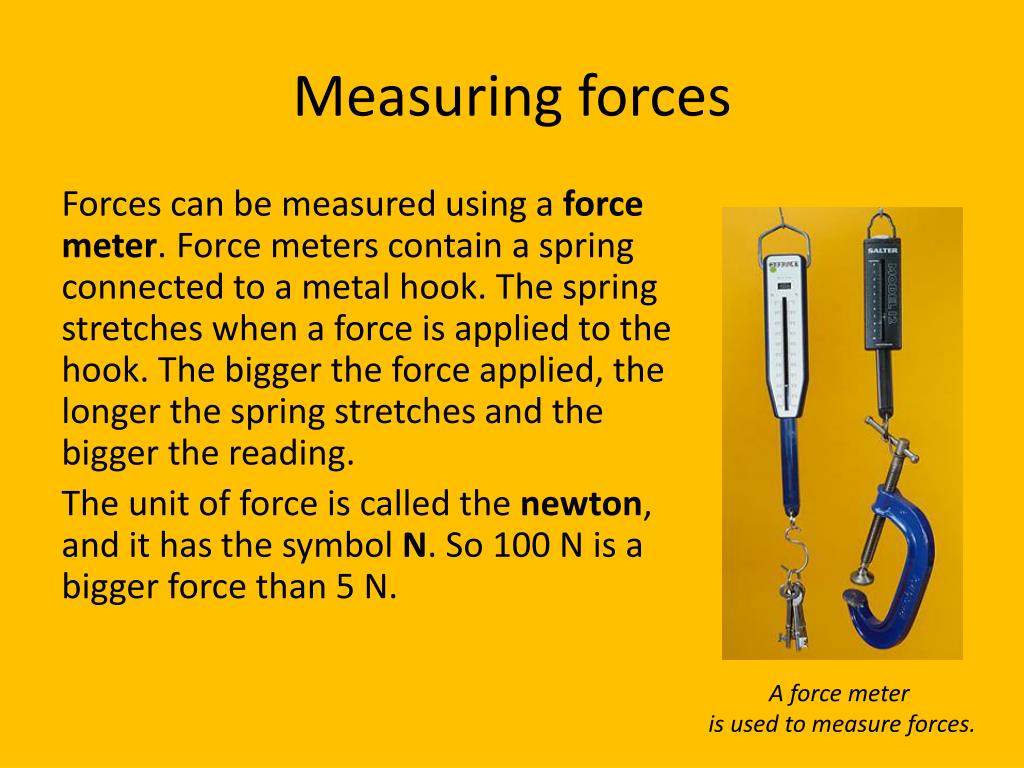
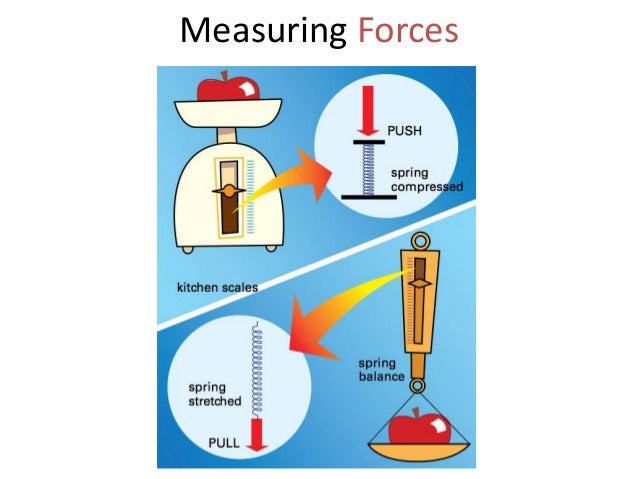
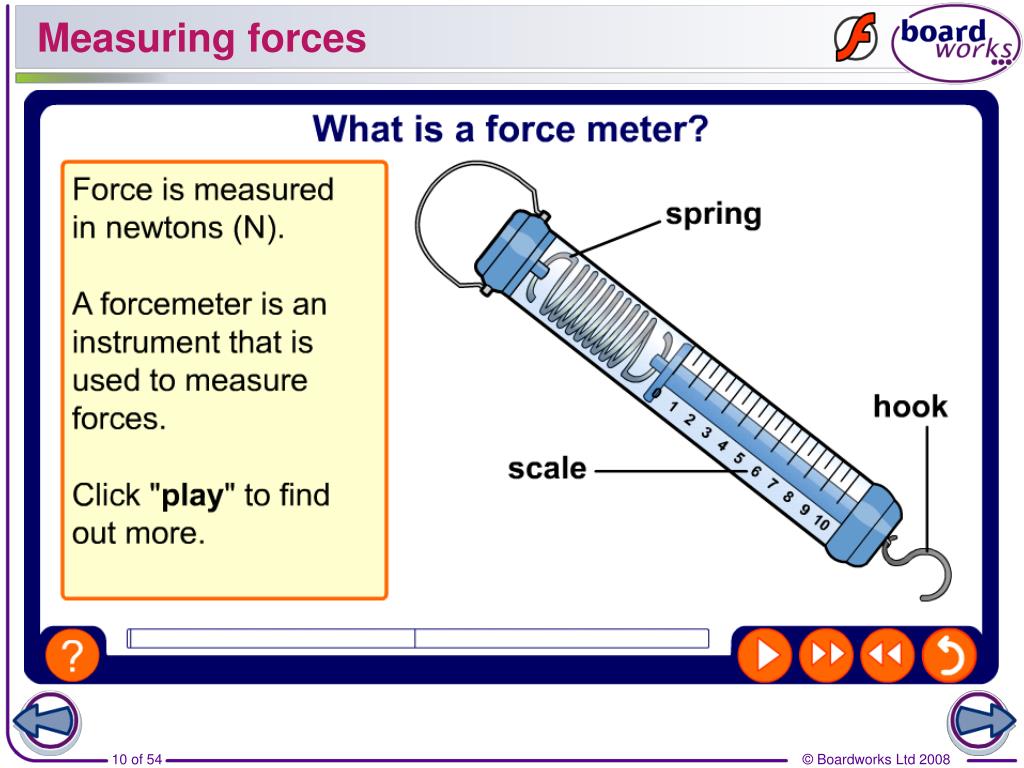
So we *know* what the unit is, but how do we actually *measure* force in the real world? Well, there are a few ways. One common method is using a force sensor or a load cell. These devices basically convert the force applied to them into an electrical signal, which can then be read by a computer or a display.
Think of it like a fancy scale, but instead of measuring weight, it's measuring the force of a push or pull. You might see these used in testing the strength of materials, or in robotics to measure the force that a robot arm is exerting.
Another way to measure force is indirectly, by measuring its effects. For example, if you know the mass of an object and how quickly it's accelerating, you can calculate the force using that famous formula: F = ma. It's like being a detective, using clues to figure out the mystery force at play!
So, What’s The Takeaway?
The key thing to remember is that force is measured in Newtons (N). It's the amount of force needed to get a 1 kg object moving at 1 meter per second squared. Everything else is basically just details and potential sources of confusion.
Now, go forth and measure all the forces! (Or, you know, just impress your friends with your newfound knowledge. Either way, you're winning!). Just try not to get *too* forceful about it! *wink*