Hey there, friend! Ever wondered what a prototype really is? Don't worry, it's not some super-secret government project involving alien tech (though, wouldn't that be cool?). It's actually way simpler, and way more useful, than you might think.
Think of it this way: Imagine you're trying to bake the world's most perfect chocolate chip cookie. You wouldn't just throw a bunch of ingredients together and hope for the best, right? (Okay, maybe sometimes we do... but the results are usually... interesting).
Instead, you'd probably test out a smaller batch first. Tweak the recipe a little. See if adding a dash of cinnamon really makes it "chef's kiss" worthy, or just tastes like… cinnamon-y cookies. That, my friend, is essentially what a prototype is all about!
So, What EXACTLY is a Prototype?
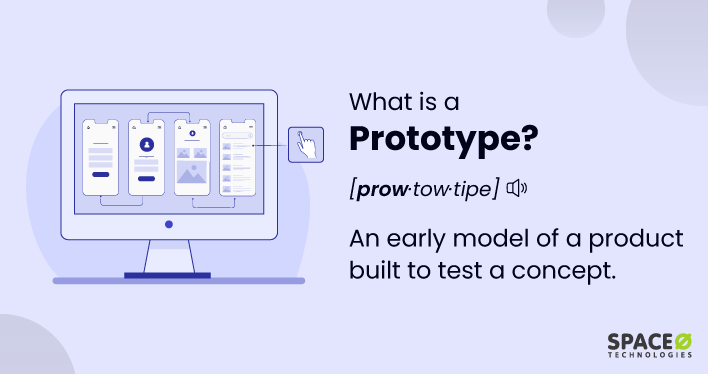
At its core, a prototype is a preliminary model or version of something. It could be anything: a new app, a fancy toaster that also makes coffee (now that's innovation!), a website, or even a new marketing campaign.
The point is to test out your ideas before you invest a ton of time, money, and energy into building the full-blown, final product. Think of it as a trial run, a sneak peek, a way to avoid potential "oops" moments later on.
Why is this important? Well, imagine building that dream house only to discover the kitchen is ridiculously small, or the bathroom has no ventilation (cue the fogged-up mirrors and damp towels!). A prototype – in this case, maybe a blueprint or a 3D model – could have caught those issues early on, saving you a whole heap of stress (and probably a hefty repair bill!).
Different Flavors of Prototypes
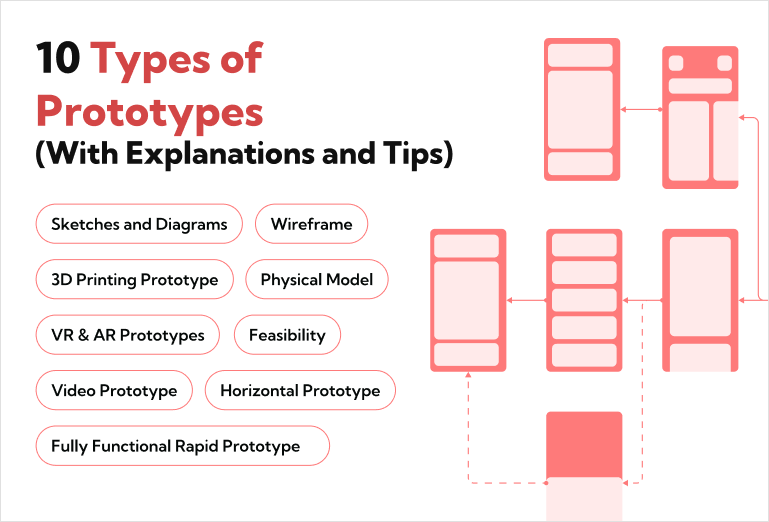
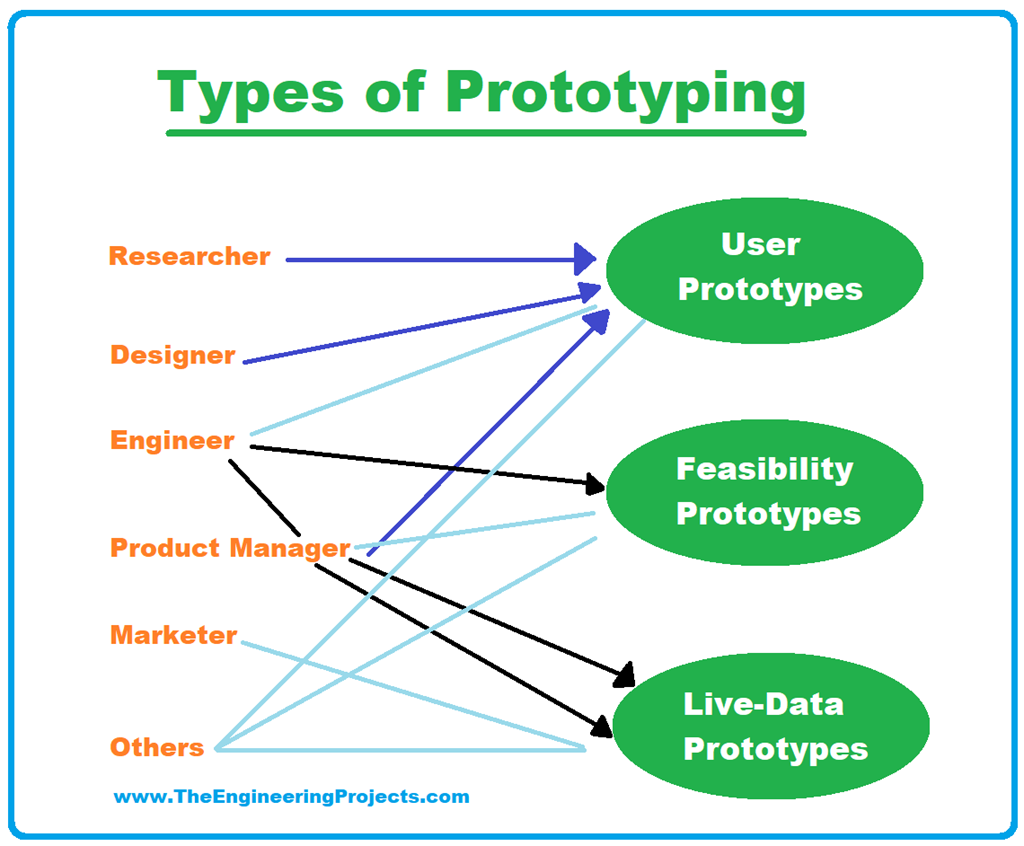
Just like cookies (chocolate chip, oatmeal raisin, peanut butter… mmm, cookies), prototypes come in different forms, depending on what you're trying to achieve:
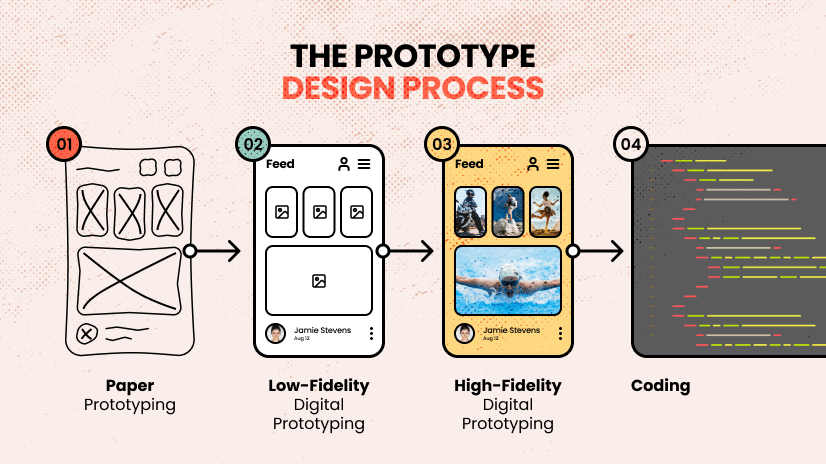
- Paper Prototypes: These are super low-fidelity. Think sketches, diagrams, and hand-drawn mockups. Perfect for quickly brainstorming ideas and getting initial feedback.
- Digital Prototypes: These can range from simple clickable wireframes to fully interactive simulations. They're great for testing user flows and getting a feel for the user experience (UX).
- Physical Prototypes: This could be a 3D-printed model, a rough version of a product made from cardboard, or even a "Frankenstein-ed" version using existing components. It's all about getting a tangible feel for your creation.
The level of detail in your prototype depends on what you need to learn. Sometimes a simple sketch is enough. Other times, you'll need something more polished and interactive.
Why Bother with Prototypes?
Okay, so prototypes take time and effort. But trust me, they're worth it! Here's why:
- Early Problem Detection: Spot flaws and issues before they become major headaches.
- Cost Savings: Fix problems early and avoid expensive rework later.
- Improved User Experience: Get feedback from real users and create a product that people actually love.
- Better Communication: Prototypes provide a clear and tangible way to communicate your vision to stakeholders.
- Reduced Risk: Test your assumptions and validate your ideas before committing to a full-scale launch.
Basically, prototypes are like your superpower against product development disasters. They help you build better products, faster, and with less risk.
So, the next time you're working on a new project, remember the power of the prototype. Embrace the process of experimentation, iteration, and learning. And don't be afraid to make mistakes – that's what prototypes are for!
Who knows? Maybe your prototype will lead to the next big thing. And you can thank me later (a lifetime supply of those perfect chocolate chip cookies would be a nice gesture, just saying!).
Now go forth and prototype! You've got this! Remember, even the shiniest, most polished final product started as a humble, scrappy prototype. Embrace the journey, and you'll be amazed at what you can create. Keep dreaming, keep building, and keep those prototypes coming! You're awesome!