Ever heard the word "outsourced" and felt a little...lost? Don't sweat it! It's one of those business buzzwords that sounds more complicated than it actually is. Think of it like ordering takeout – you're essentially getting someone else to handle the cooking, right?
So, what exactly does "outsourced" mean? Let's break it down in a super chill way.
The Core Concept: Handing Off Tasks
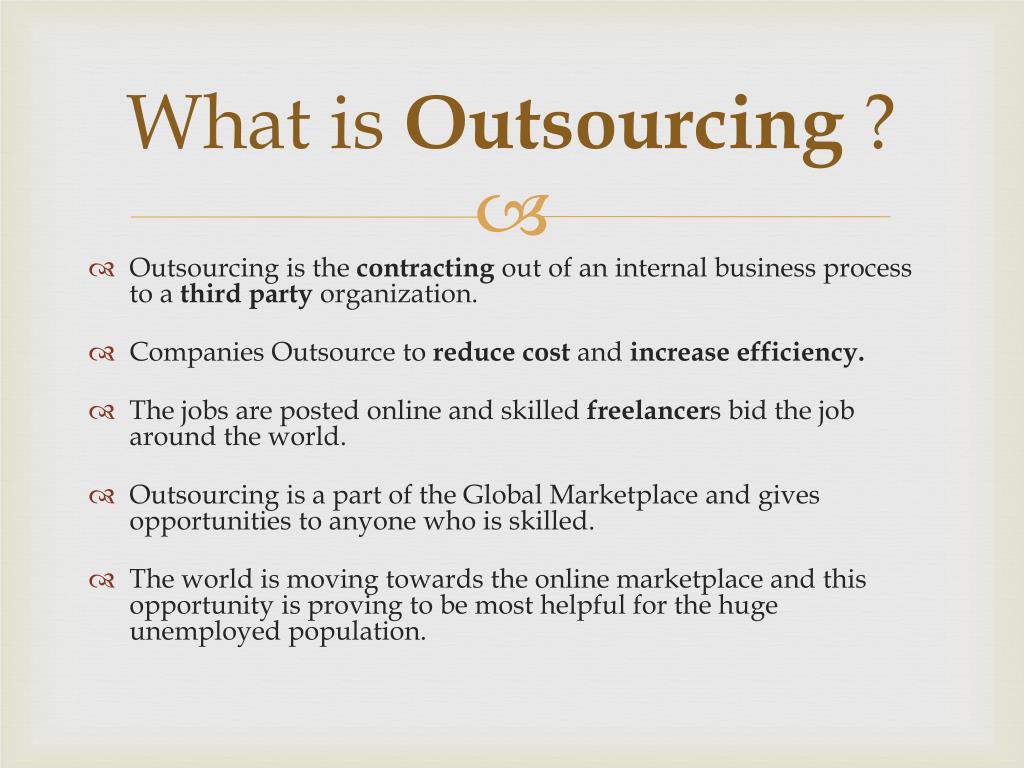
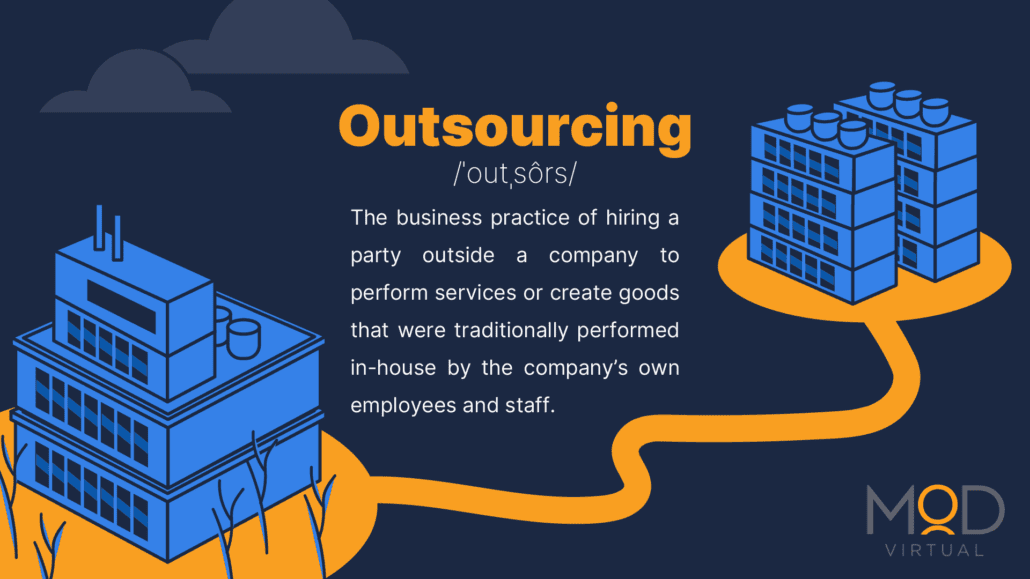
At its heart, outsourcing simply means hiring an external company or individual to perform tasks that your own company *could* do, but chooses not to. Think of it as delegating, but to someone outside your immediate team. It's like deciding you'd rather binge-watch your favorite show than clean the house, so you hire a cleaning service. Same principle!
But why would a company do this? Good question! Let's dive into some of the reasons why outsourcing is actually pretty cool.
Why Outsource? The Perks Are Real!
There are tons of reasons why a company might decide to outsource a specific function. Here are a few:
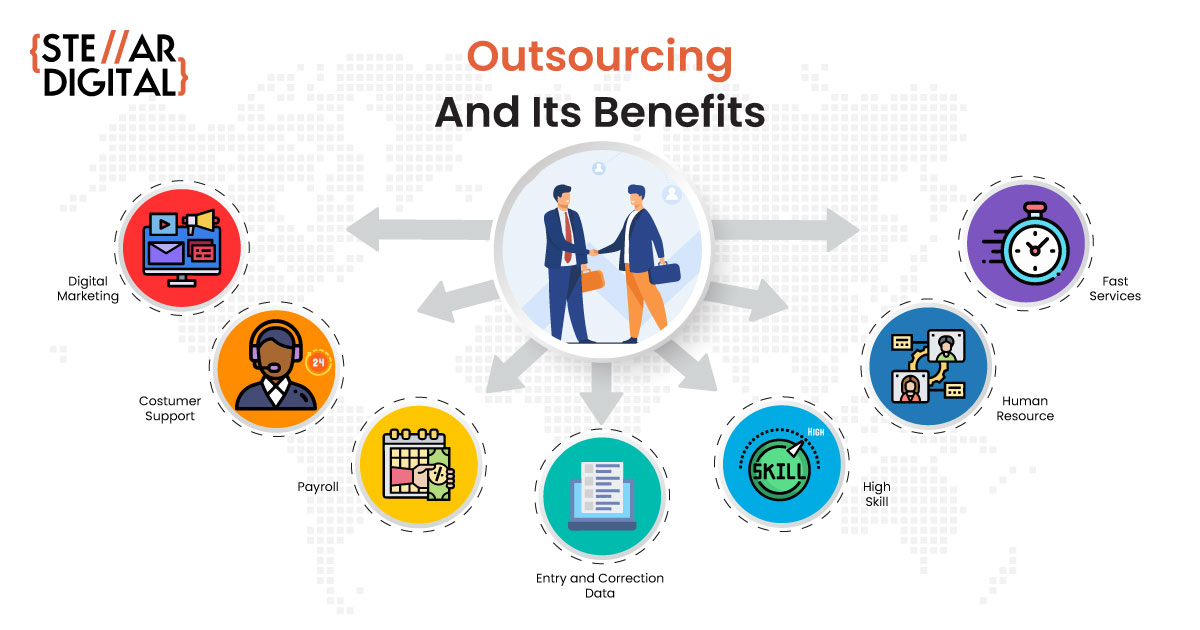
- Cost Savings: This is a big one. Often, it's cheaper to hire a specialist in another country or region than to hire and train someone in-house. Think about it: specialized equipment, training costs, benefits...it all adds up!
- Focus on Core Business: Outsourcing allows companies to laser-focus on what they're *really* good at. Instead of getting bogged down in, say, IT support, they can concentrate on innovation and growth. It's like a chef focusing on creating amazing dishes rather than washing the dishes themselves.
- Access to Expertise: Sometimes, you need a skill set that your current team just doesn't possess. Outsourcing allows you to tap into a pool of highly skilled professionals without the long-term commitment of hiring someone full-time. Need a ninja-level graphic designer for a one-off project? Outsourcing to the rescue!
- Increased Efficiency: Specialists are, well, specialists. They often have the tools, processes, and experience to complete tasks more efficiently than your in-house team could. It’s like hiring a professional organizer to declutter your closet – they get it done faster and better than you probably would yourself.
- 24/7 Availability: In today's globalized world, businesses need to be available around the clock. Outsourcing customer service or IT support to a different time zone can provide round-the-clock coverage without stretching your existing team too thin. Think of it as having a backup team always ready to jump in.
What Kinds of Things Get Outsourced?
The possibilities are pretty much endless! Here are just a few common examples:
- IT Services: From managing servers to providing tech support, IT is a popular area for outsourcing.
- Customer Service: Answering customer inquiries, resolving complaints – many companies outsource this to call centers.
- Marketing: Social media management, content creation, SEO – marketing tasks are often outsourced to agencies.
- Accounting and Finance: Payroll, bookkeeping, tax preparation – these tasks can be time-consuming and require specialized knowledge.
- Manufacturing: Producing goods in countries with lower labor costs is a classic example of outsourcing.
- Human Resources: Recruitment, benefits administration, training – HR functions are increasingly being outsourced.
Is Outsourcing Always a Good Thing?
Like anything, outsourcing has its pros and cons. It's important to weigh the benefits against the potential challenges before making a decision. Some potential downsides include:
- Communication Barriers: Language differences and time zone challenges can sometimes make communication difficult.
- Loss of Control: You're relying on an external company to perform tasks to your standards.
- Security Risks: Sharing sensitive information with a third party can pose security risks.
- Potential Job Losses: In some cases, outsourcing can lead to job losses in the company's home country.
However, with careful planning and due diligence, these risks can be minimized.
Outsourcing: The Big Picture
Ultimately, outsourcing is a strategic decision that companies make to improve efficiency, reduce costs, and focus on their core competencies. It's about leveraging the expertise of others to achieve your business goals. Think of it as building a team of superheroes, each with their own unique skills, working together to conquer the world (or at least, the market!).
So next time you hear the word "outsourced," remember it's not some scary, complicated concept. It's simply a way for businesses to get things done smarter and more efficiently. And who doesn't want that?
The Bottom Line: Outsourcing can be a powerful tool when used strategically. Consider it! It's all about finding the right balance and making informed decisions that benefit your business.