Okay, folks, buckle up because we're about to dive headfirst into the earth's fiery heart... well, figuratively speaking! We're talking about geothermal energy, and believe me, it's cooler than it sounds (pun absolutely intended!). You're probably thinking, "Geothermal? Sounds like something out of a sci-fi movie!" But trust me, it's real, it's here, and it's got the potential to be a total rockstar for our planet. So, what’s the deal? And, more importantly, how does it impact our environment?
Tapping into Earth's Natural Sauna
Imagine the Earth as a giant, naturally heated swimming pool. Deep beneath our feet, there's a whole lotta heat going on. This heat is left over from the Earth's formation (billions of years ago!), constantly being replenished by radioactive decay (don't worry, it's totally safe!). Geothermal energy is basically us sticking a straw down into that pool and sipping out the hot stuff to power our lives. Think of it like Mother Nature's own sustainable spa!
Now, let’s get down to brass tacks. How does this "sipping" affect the environment? Well, hold onto your hats, because the news is pretty darn good!
The Good Stuff: Low Emissions, High Fives
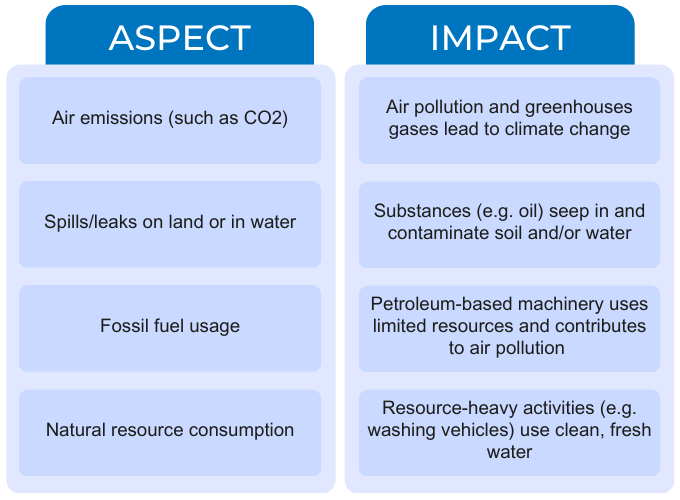
First and foremost, geothermal energy is a low-emission power source. Compared to burning fossil fuels (coal, oil, gas – you know, the usual suspects), geothermal plants release significantly fewer greenhouse gases like carbon dioxide. It's like trading in your gas-guzzling monster truck for a super-efficient electric scooter. The air is cleaner, the birds sing louder, and your conscience feels a whole lot lighter!
To put it into perspective, some geothermal plants can achieve near-zero emissions! It's like having a power plant that whispers sweet nothings of clean energy into the environment's ear instead of belching out pollutants. Pretty awesome, right?
Land Use: A Footprint So Small, You Might Miss It
Okay, so no energy source is perfect. But when it comes to land use, geothermal plants are surprisingly efficient. They require less land per megawatt of electricity produced compared to things like coal mines or sprawling solar farms. We're talking about minimizing our impact on precious ecosystems. Less land taken up means more room for squirrels to bury their nuts and wildflowers to bloom. Everyone wins!
The Water Works: Careful Management is Key
Here's where things get a little bit more nuanced. Geothermal plants often use water to extract the heat from the Earth. This water, which can contain dissolved minerals, needs to be managed carefully. In some cases, it's reinjected back into the ground to replenish the geothermal reservoir – a process that is like giving the earth a hydrating drink. Sometimes, there is a little bit of water consumption, though this is significantly less than what's used in other cooling methods.
And speaking of water, some geothermal plants might release small amounts of hydrogen sulfide (H2S), which, in high concentrations, can smell like rotten eggs. But fear not! Modern geothermal plants have sophisticated systems to control and minimize these emissions, ensuring that your neighborhood doesn't suddenly smell like a forgotten Easter egg hunt gone wrong.
Shaking Things Up (Literally): Addressing Seismic Concerns
There's been some discussion about the potential link between geothermal energy production and induced seismicity (small earthquakes). It's true that injecting fluids into the ground can sometimes trigger minor seismic activity. But here's the important thing: These events are typically very small and localized. Think of it as the Earth letting out a tiny hiccup, not a full-blown earthquake. Advanced monitoring and careful management can minimize the risk and impact of these events.
"Geothermal energy offers a powerful pathway to a cleaner, more sustainable energy future." - Some Really Smart Person (Probably!)
The Big Picture: Geothermal as a Superhero
Overall, the environmental impact of geothermal energy is overwhelmingly positive. It's a renewable, reliable, and relatively clean source of power that can help us reduce our reliance on fossil fuels, combat climate change, and create a brighter future for generations to come.
So, the next time you hear about geothermal energy, remember the giant, naturally heated swimming pool beneath our feet. Remember the low emissions, the small footprint, and the potential to power our world in a more sustainable way. Geothermal energy might not be able to fly or shoot lasers, but it's definitely a superhero in the fight against climate change!
And who knows, maybe one day we'll all be heating our homes and powering our cities with the Earth's own internal heat. Now that's a future I can get excited about!