Let's face it, there's something undeniably cool about 3D printing. Whether it's the satisfying whir of the printer, the mesmerizing layering process, or the sheer magic of seeing a digital design materialize into a physical object, 3D printing holds a certain allure. Maybe you're a hobbyist creating custom figurines, a maker prototyping your latest invention, or simply someone fascinated by the possibilities – whatever your reason, the future of 3D printing is something worth getting excited about!
But it's more than just a fun hobby. 3D printing, also known as additive manufacturing, is revolutionizing how we design, create, and consume. Its benefits are far-reaching and are increasingly impacting our everyday lives. Think about it: custom-fit prosthetics providing enhanced mobility, personalized medicine with tailor-made implants, or even on-demand replacement parts for appliances, saving time and money on repairs. The purpose it serves is clear: democratizing manufacturing and giving individuals and small businesses the power to create things that were previously only possible in large factories.
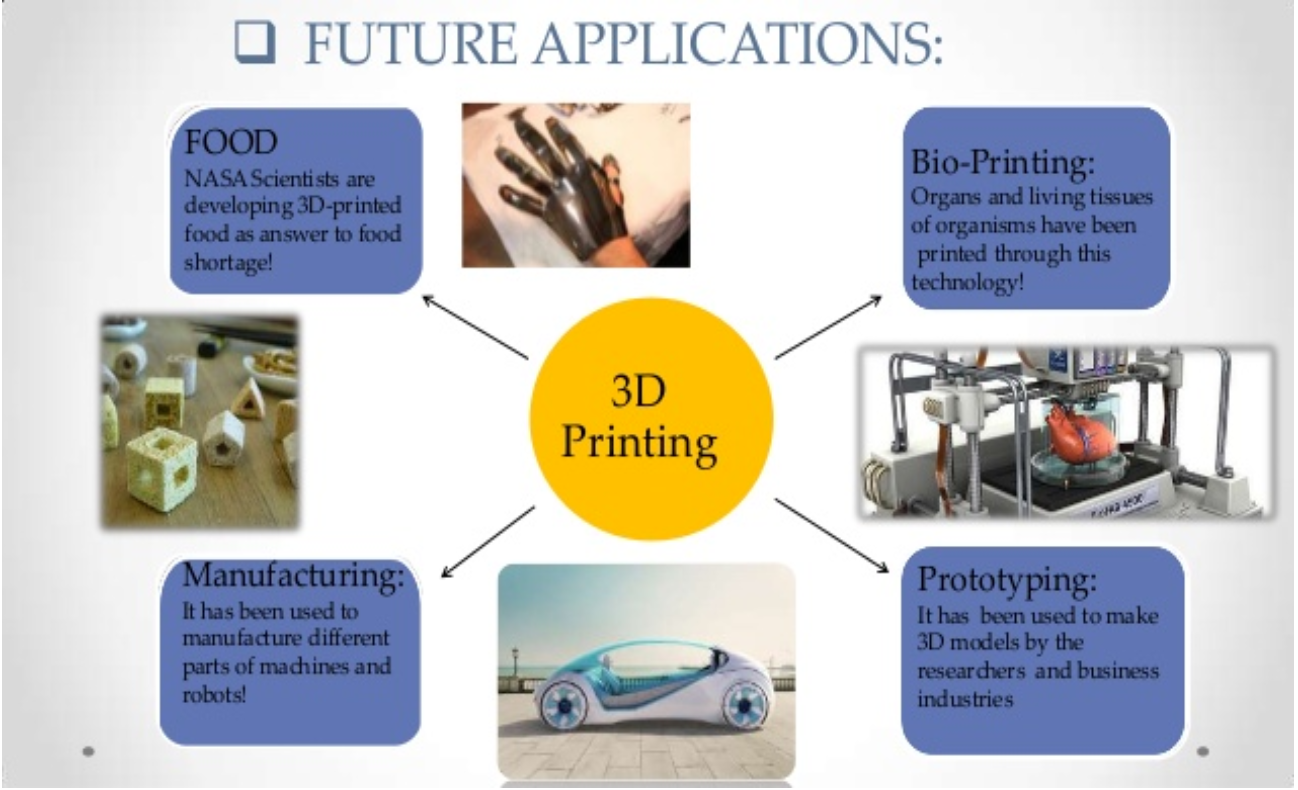
The applications are already widespread. You've probably seen examples without even realizing it. Consider those intricate phone cases, bespoke jewelry, or even some of the architectural models on display. In the medical field, 3D printing is used to create surgical guides, allowing for more precise and less invasive procedures. The aerospace industry is leveraging 3D printing to produce lightweight and complex components for aircraft. And, of course, let's not forget the vibrant community of makers and hobbyists who are using 3D printers to create everything from toys and games to functional tools and gadgets. It's a testament to the versatility of the technology.
So, how can you enjoy 3D printing more effectively and tap into its potential? Here are a few practical tips:
- Invest in Quality Filament: Don't skimp on the filament! Cheap filament can lead to clogged nozzles, failed prints, and a frustrating experience. Research reputable brands and choose the right material for your project.
- Master Slicing Software: Slicing software is what translates your 3D model into instructions for the printer. Spend time learning the ins and outs of your chosen software to optimize print settings like layer height, infill density, and support structures.
- Calibrate Your Printer: Proper calibration is crucial for achieving accurate and consistent prints. Regularly level your print bed and adjust other settings as needed.
- Join the Community: There's a wealth of knowledge and support available online. Join forums, social media groups, and online communities to learn from experienced users, troubleshoot problems, and share your creations.
- Experiment and Don't Be Afraid to Fail: 3D printing involves a learning curve. Don't be discouraged by failed prints. Analyze what went wrong, make adjustments, and try again. Each failure is a learning opportunity!
The future of 3D printing is bright, with advancements in materials, speed, and scale poised to unlock even more possibilities. From customized consumer goods to groundbreaking industrial applications, 3D printing is transforming the way we design, manufacture, and interact with the world around us. So, embrace the innovation, explore the possibilities, and get ready to witness the continued evolution of this fascinating technology!