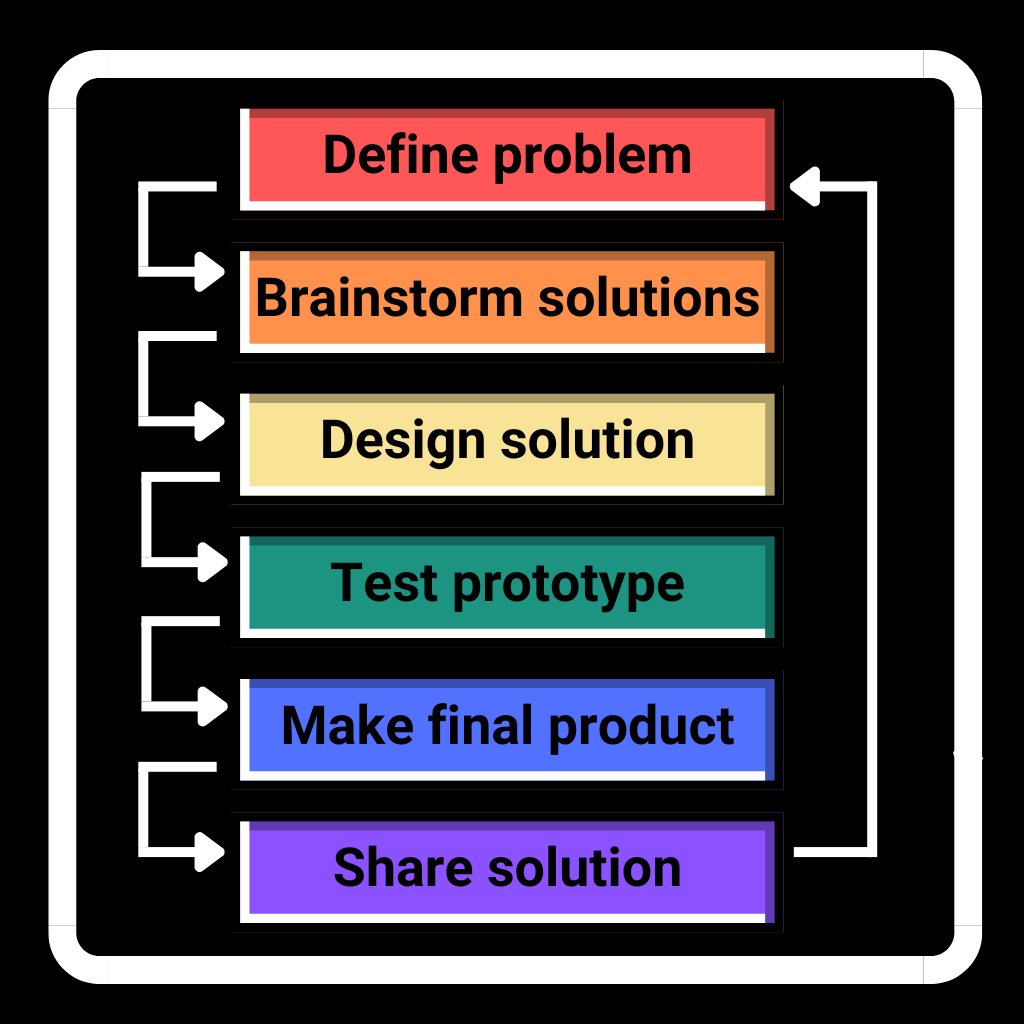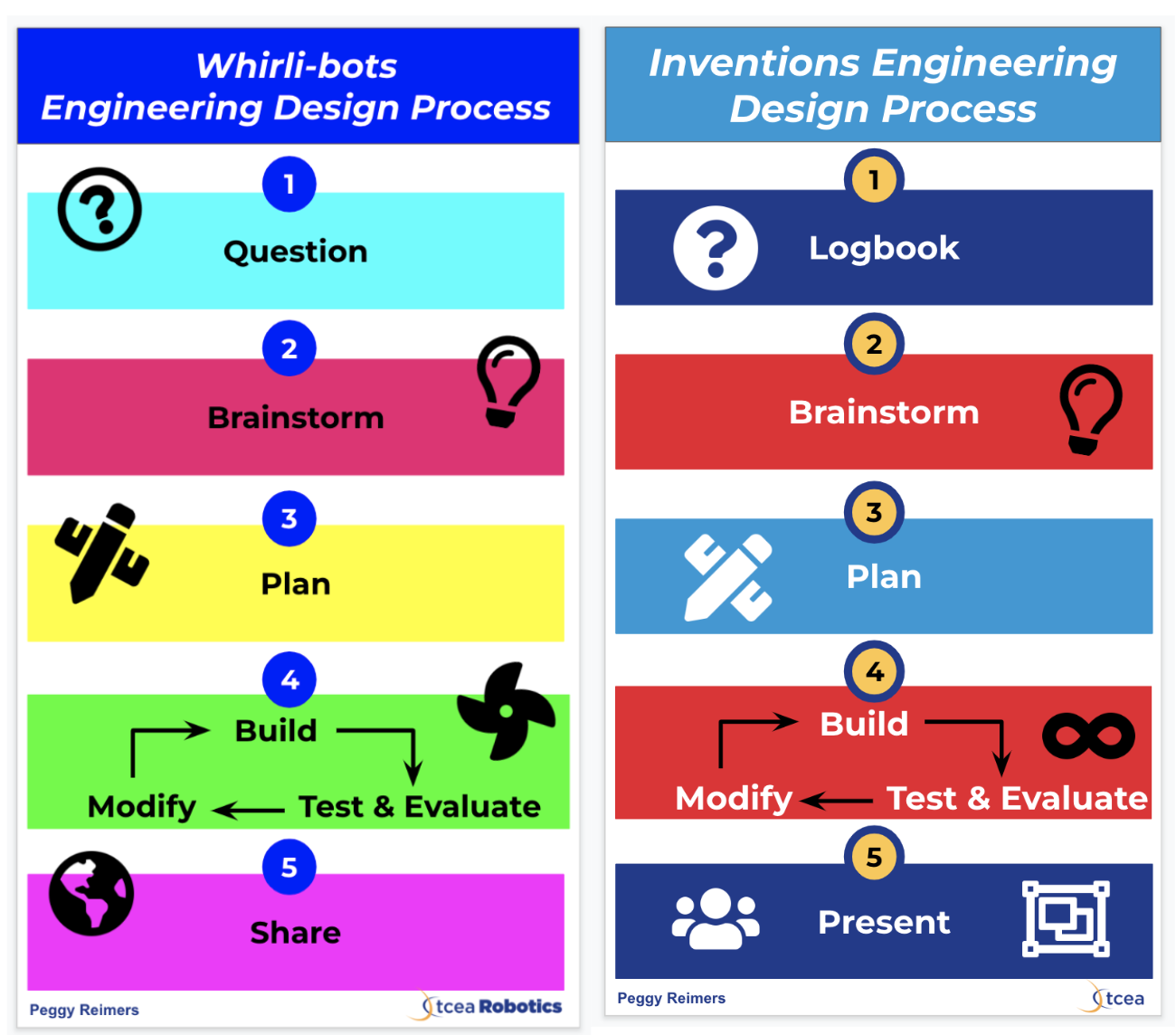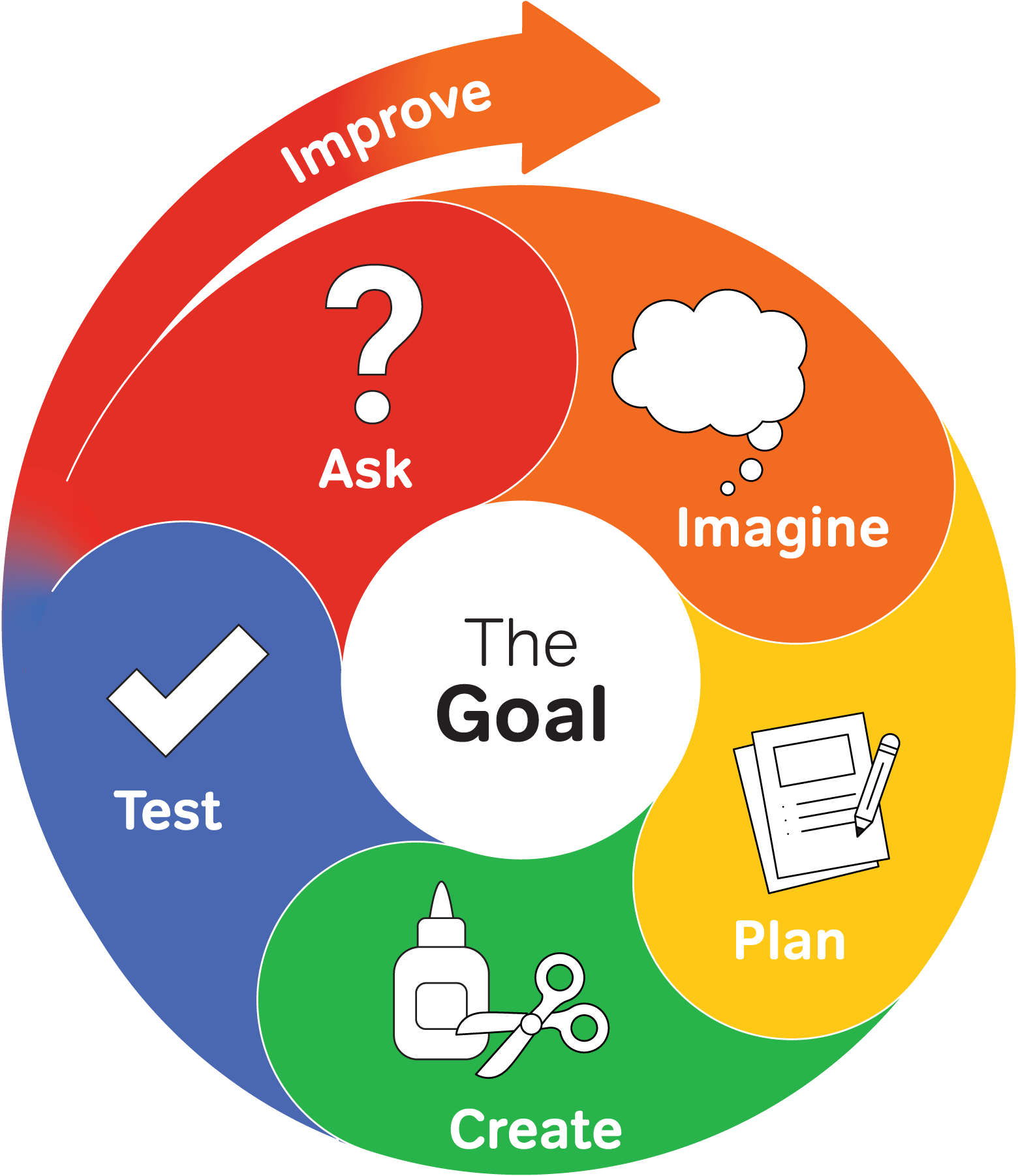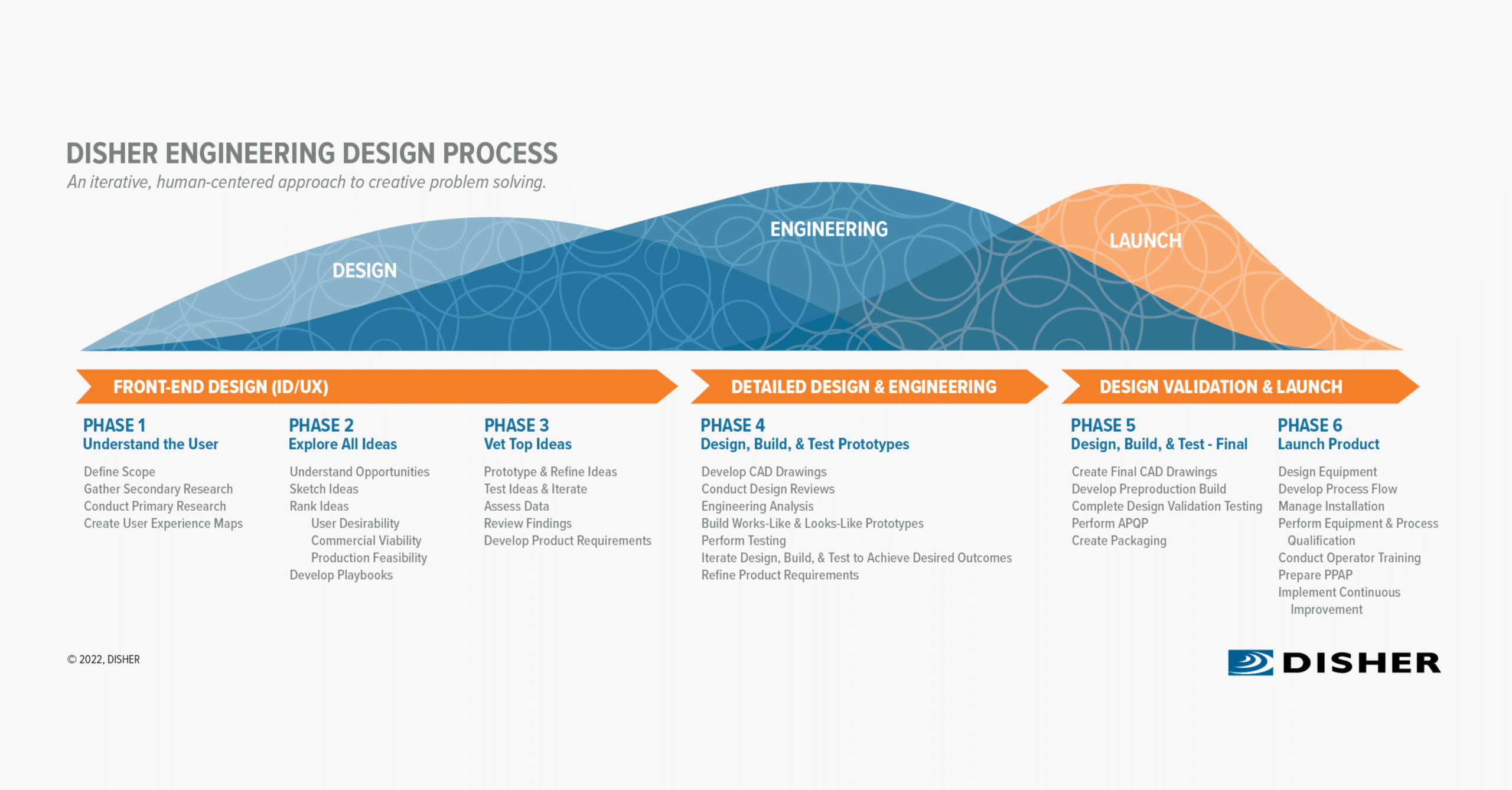
Hey, wanna talk engineering? Like, real, down-to-earth, building-stuff engineering? Awesome! Let's grab a (virtual) coffee and dive in. We're tackling the very first step of the Engineering Design Process. Dun dun DUNNN! What is it? I bet you're dying to know.
So, What’s the Very First Step?
Alright, drumroll please… 🥁 It's all about identifying the problem! Yep, that’s it. Sounds simple, right? Don’t be fooled! This little step is crucial. Skip it, and you might end up building a super-efficient widget that nobody actually needs. Awkward!
Think of it like this: you wouldn't start a road trip without knowing where you're going, would you? (Unless you're into that whole spontaneous adventure thing, which, hey, no judgment!). But in engineering, having a clear destination – the problem you're trying to solve – is non-negotiable.
Seriously, I'm not kidding. Imagine spending weeks, months even, designing the perfect self-stirring coffee mug... only to find out everyone prefers manual stirring for that 'extra bit of morning exercise.' Ouch. Identifying the problem avoids those kinds of epic fails. We're all about efficiency here!
Digging Deeper: Defining the Problem Well
Okay, "identify the problem" sounds easy enough, but there's more to it than just shouting "PROBLEMS!" at the top of your lungs. We need to define it. And define it *well*. Think of it like detective work. We need to get all the facts.
What exactly is the issue? Who is affected by it? Where is it happening? When does it occur? Why is it a problem in the first place? (Those good old "5 Ws" you learned way back in grade school? They're still useful!) And, how big of a deal is this problem anyway?
See? More complicated than you thought, huh? This isn't just about noticing a crack in the sidewalk. It's about figuring out why that crack is there, how much of a tripping hazard it is, and who is most likely to trip over it (Grandma Betty? The skateboarding teens?).
Why is This Step So Darn Important?
Why all the fuss about problem identification? Because a well-defined problem is like a well-paved road leading straight to a solution. A vague or poorly understood problem, on the other hand, is like wandering lost in a jungle with a map drawn by a toddler. You're going to get lost. Guaranteed.
A good problem definition will:
- Keep you focused. No more scope creep! (Scope creep is when your project slowly turns into something entirely different from what you originally planned. Trust me, it's a pain.)
- Help you generate relevant ideas. You'll be brainstorming solutions that actually address the core issue.
- Make it easier to evaluate your designs. You'll have clear criteria for judging whether your solution is successful. Does it solve the original problem effectively?
Essentially, spending the time to nail down the problem saves you time, money, and frustration down the line. Think of it as an investment in your project's success. Smart, right?
Real-World Examples (Because Why Not?)
Let's say your phone battery dies super fast. That’s a problem, right? But "phone battery dies fast" isn’t a great problem definition. A better one might be: "My phone battery drains completely within 4 hours of moderate use, preventing me from making important calls and using essential apps while I'm away from a charger." See the difference? We've got context, impact, and specifics!
Or, imagine you're working on a project to improve public transportation. Simply saying "public transportation is bad" isn't going to cut it. You need to dig deeper. Is the problem a lack of routes? Are the buses always late? Are the fares too expensive? Or is it a combination of all three? Identifying the specific issues will point you towards the right solutions.
The better you define the problem, the easier it will be to find a solution. Plain and simple. So next time you’re faced with an engineering challenge, remember: start with the problem! And really, really understand it.
Now go forth and engineer! And maybe grab another coffee. You've earned it.