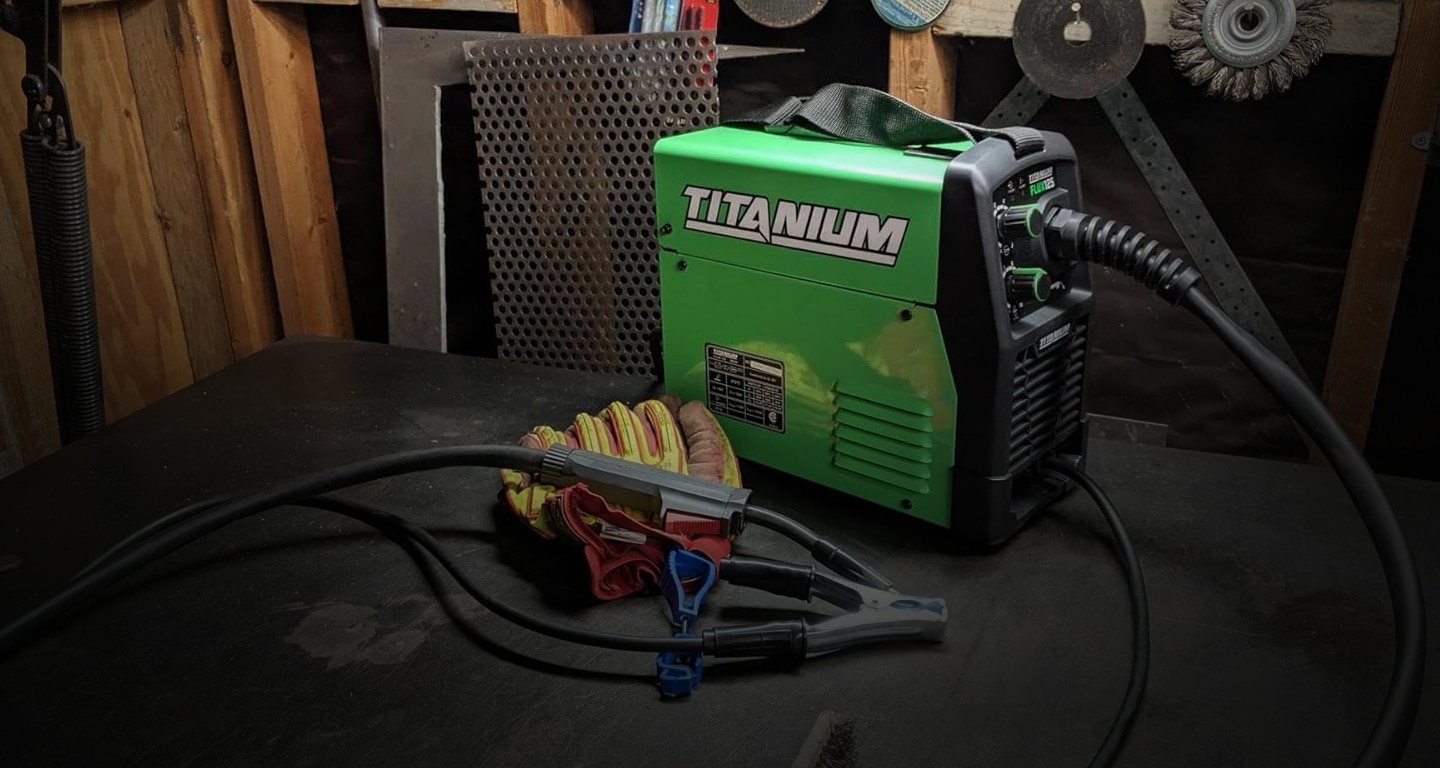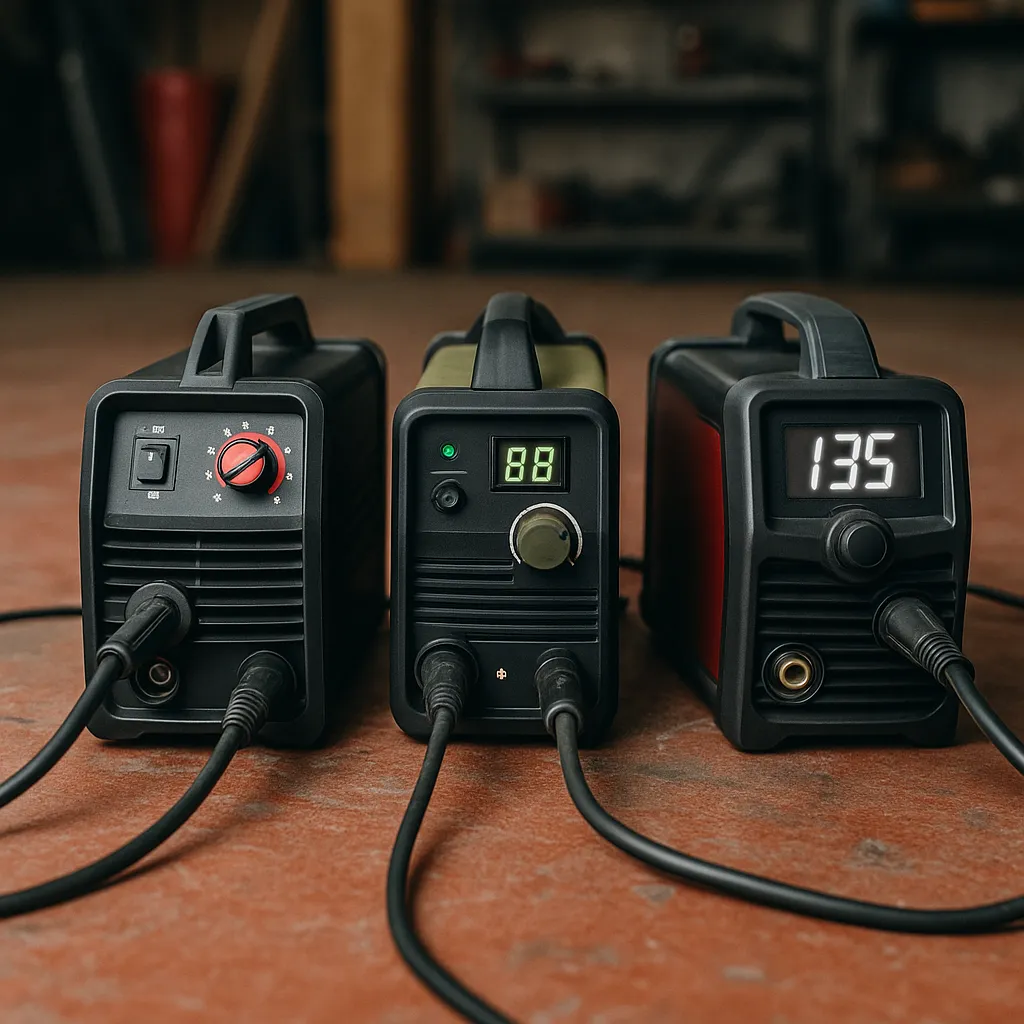
So, you’re thinking about joining the ranks of metal maestros? Or maybe you just need to fix that pesky wrought iron gate that's been leaning precariously since… well, who even remembers? Whatever your motivation, you’re probably wondering: What is the easiest welder to use? Don't worry, we're here to break it down. Think of us as your welding whisperers, here to guide you through the sparks and shields.
The Contenders: Welding's Greatest Hits
The world of welding can seem like a blacksmith's labyrinth, filled with mysterious acronyms and intimidating equipment. But fear not! Let's focus on the most accessible options for beginners, like choosing your first guitar – you want something user-friendly, not a custom-built dragon lute.
First up is MIG (Metal Inert Gas) welding. Think of it as the automatic transmission of the welding world. It's generally considered the easiest to learn because it uses a wire feeding system, meaning you don’t have to constantly replace your welding rod. It’s like a never-ending supply of artistic potential, constantly feeding itself to the arc. Ideal for beginners, it tackles thinner metals with relative ease.
Next, we have Stick welding (SMAW - Shielded Metal Arc Welding). Now, this is the "classic rock" of welding. It's been around forever, is relatively inexpensive to get started with, but takes a bit more finesse. It uses a consumable electrode (“the stick”) that you need to manually feed and replace. It's a bit like learning to drive a stick shift - rewarding once you master it, but a bit bumpy at first. Think of it as the welding equivalent of knowing all the chords to "Stairway to Heaven."
Finally, let's briefly touch on TIG (Tungsten Inert Gas) welding. This is the "jazz fusion" of the welding world: precise, beautiful, and requiring considerable skill. It's like playing a Stradivarius – impressive, but probably not your first instrument. TIG welding allows for incredibly clean and precise welds, but it's definitely more advanced and requires significant practice.
MIG: Your Entry-Level Rockstar
For sheer ease of use, MIG welding typically takes the crown. Why? Several reasons:
- Continuous Wire Feed: No stopping and starting every few inches to replace a rod like in Stick welding.
- Forgiving: MIG is more forgiving of variations in your technique compared to Stick or TIG.
- Versatile: While best for thinner metals, it can weld a surprising range of materials with the right settings and wire.
Pro-Tip: When starting out with MIG, practice on scrap metal first! Get a feel for the speed, distance, and angle. Think of it like learning to paint - nobody creates a masterpiece on their first try.
Beyond the Machine: Essential Safety Gear
Before you even think about striking an arc, remember that safety is paramount. You wouldn't ride a motorcycle without a helmet, right? Same logic applies here.
Essential gear includes:
- Auto-Darkening Welding Helmet: This is non-negotiable. Protect your eyes! Modern helmets instantly darken when the arc is struck, allowing you to see clearly before and after welding.
- Welding Gloves: Leather gloves that extend past your wrists. Hot metal and sparks are not your friends.
- Welding Jacket or Apron: Protect your skin from UV radiation and splatter.
- Closed-Toe Shoes or Boots: No sandals! Falling sparks will ruin your day.
Fun Fact: Did you know the welding arc emits intense UV radiation? Looking directly at it without protection can cause "arc eye," which feels like having sand in your eyes. Ouch!
Practical Application: From Beginner to Builder
So, you’ve got your MIG welder, your safety gear, and a pile of scrap metal. Now what? Start small. Practice making beads (straight lines of weld) on flat pieces of metal. Focus on consistency. Are your beads smooth and even? Are you maintaining a consistent distance from the metal?
Once you're comfortable with basic beads, try joining two pieces of metal together. Tack weld them in place first, then run a full weld along the joint. Watch YouTube tutorials, read articles, and don't be afraid to ask for advice from experienced welders. The welding community is generally very supportive.
Think of welding as a metaphor for life. It requires patience, perseverance, and a willingness to learn from your mistakes. There will be sparks, frustrations, and moments of doubt. But with practice and dedication, you'll eventually create something beautiful and strong.
A Spark of Reflection
Ultimately, the "easiest" welder is the one you're most comfortable using and the one that best suits your needs. But for beginners, MIG welding offers the most accessible entry point to this fascinating and rewarding craft. So, grab a machine, gear up, and prepare to ignite your inner metalworker! And remember, even the most seasoned welders started somewhere, probably with a shaky hand and a lot of frustration. It's all part of the process, like learning to ride a bike, or perfectly nailing a soufflé. Just keep practicing, and soon you'll be welding with confidence and creativity. Because in the end, isn't that what it's all about - taking raw materials and forging them into something new?