Ever wonder what exactly plastic is? We're surrounded by it, practically swimming in the stuff. But if someone stopped you on the street and demanded a definition, would you crumble like a poorly-made Lego castle?
Don't worry, you're not alone! The world of plastic can seem like a tangled recycling bin filled with confusing science jargon. But fear not! We're going to untangle this mess with a healthy dose of fun and absolutely zero need for a chemistry degree.
Plastic: The Shapeshifter of Materials
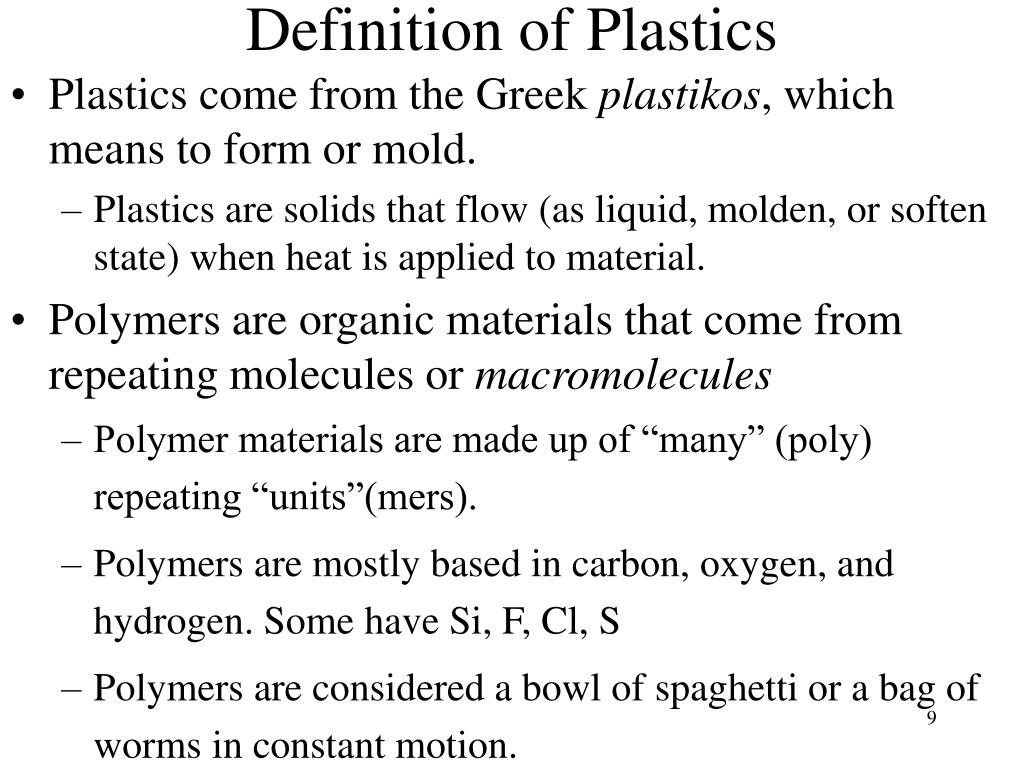
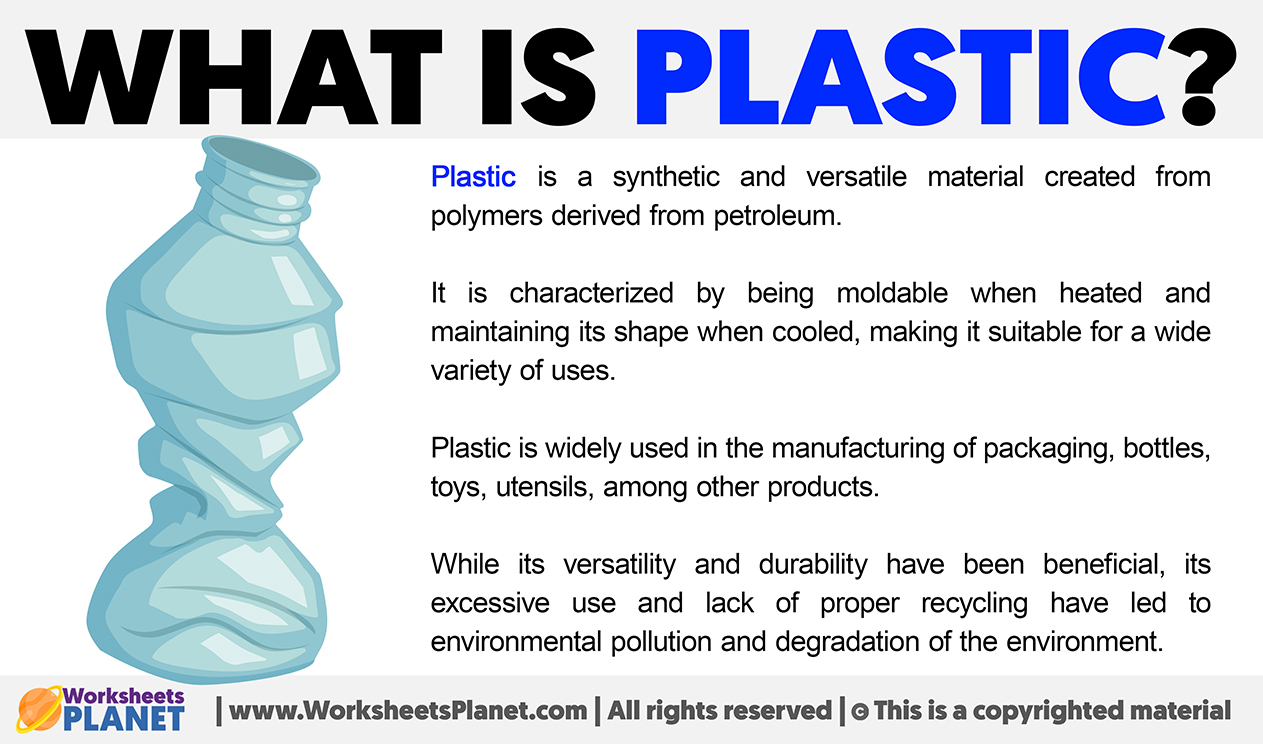
Think of plastic as the ultimate shapeshifter. At its core, plastic is a material that can be molded and shaped when it's soft, and then it hardens to keep that shape. This shapeshifting ability comes from long chains of molecules called polymers. Imagine a bunch of paperclips linked together to form a giant, bendy necklace – that's kind of what a polymer is like!
These polymer "necklaces" are often made from oil, but can also be derived from other sources like plants (cornstarch-based plastics, anyone?). The type of "paperclip" and how the "necklace" is arranged determines what kind of plastic you end up with. Is it flexible like a grocery bag, rigid like a toy car, or super strong like… well, a slightly-less-likely-to-break-than-you-think plastic bottle?
Beyond the Science: A Touch of the Dramatic (and Sometimes Tragic)
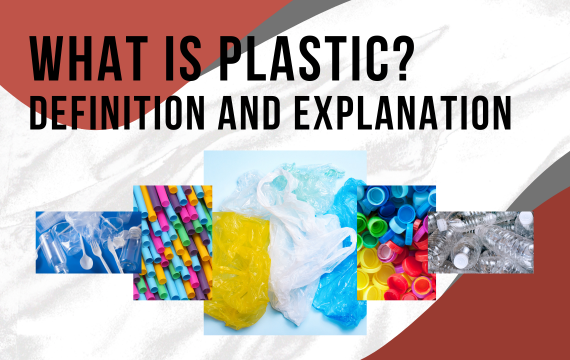
The beauty (and sometimes the curse) of plastic is its versatility. We use it for everything! From keeping our food fresh in cling wrap to protecting our heads with helmets. Consider this: you’re probably touching plastic right now. Look around! Keyboards, phone cases, water bottles… the list goes on and on.
"Plastic's success story is a double-edged sword. It's revolutionized industries and made life more convenient, but its durability, ironically, has become a major environmental challenge," notes Dr. Eleanor Vance, a leading material scientist (who definitely knows more about plastic than we do!).
Think about your favorite childhood toys. Chances are many of them were plastic. Remember that slightly-too-brightly-colored plastic slide at the park that burned your legs in the summer? Or the plastic dinosaurs that somehow survived countless battles and still reside in your attic? Plastic holds memories, even if they are slightly singed ones.
Not All Plastics Are Created Equal (Some Are Just Badly Behaved)
Now, here's where it gets a little… complex. There are tons of different types of plastic, each with its own properties and recycling potential. Some are easily recyclable (like PET, often used for water bottles), while others are notoriously difficult (looking at you, those clamshell containers that house your takeout!). That's why you see those little numbers inside the recycling symbol – they tell you what kind of plastic you're dealing with.
The not-so-fun fact is that a significant amount of plastic ends up in landfills and, sadly, our oceans. These plastics can take hundreds, even thousands, of years to decompose. This leads to all sorts of problems for marine life and the environment in general. Imagine being a sea turtle trying to distinguish a jellyfish from a plastic bag... not exactly a laughing matter.
The Future of Plastic: A Hopeful Note (Maybe?)
But don't despair! There's a growing awareness of the plastic problem, and scientists and innovators are working on solutions. We're seeing more biodegradable and compostable plastics, as well as efforts to improve recycling rates and develop new ways to break down existing plastic waste.
The next time you pick up a plastic object, take a moment to appreciate its versatility and its impact. Be mindful of how you use it, and remember that small changes, like choosing reusable bags and bottles, can make a big difference. Because even though plastic can be a bit of a drama queen, it's also a part of our lives, and understanding it is the first step toward using it responsibly.