Ever bumped into something and had it shatter into a million pieces? Or maybe you've heard someone described as "fragile" after going through a tough time. The concept of fragility is all around us, more prevalent than you might think. Understanding what it truly means to be fragile can offer surprising insights into resilience, design, and even human relationships. It's not just about things breaking; it's about understanding why, and what we can learn from it. So, let's gently unpack this concept and see what makes it tick.
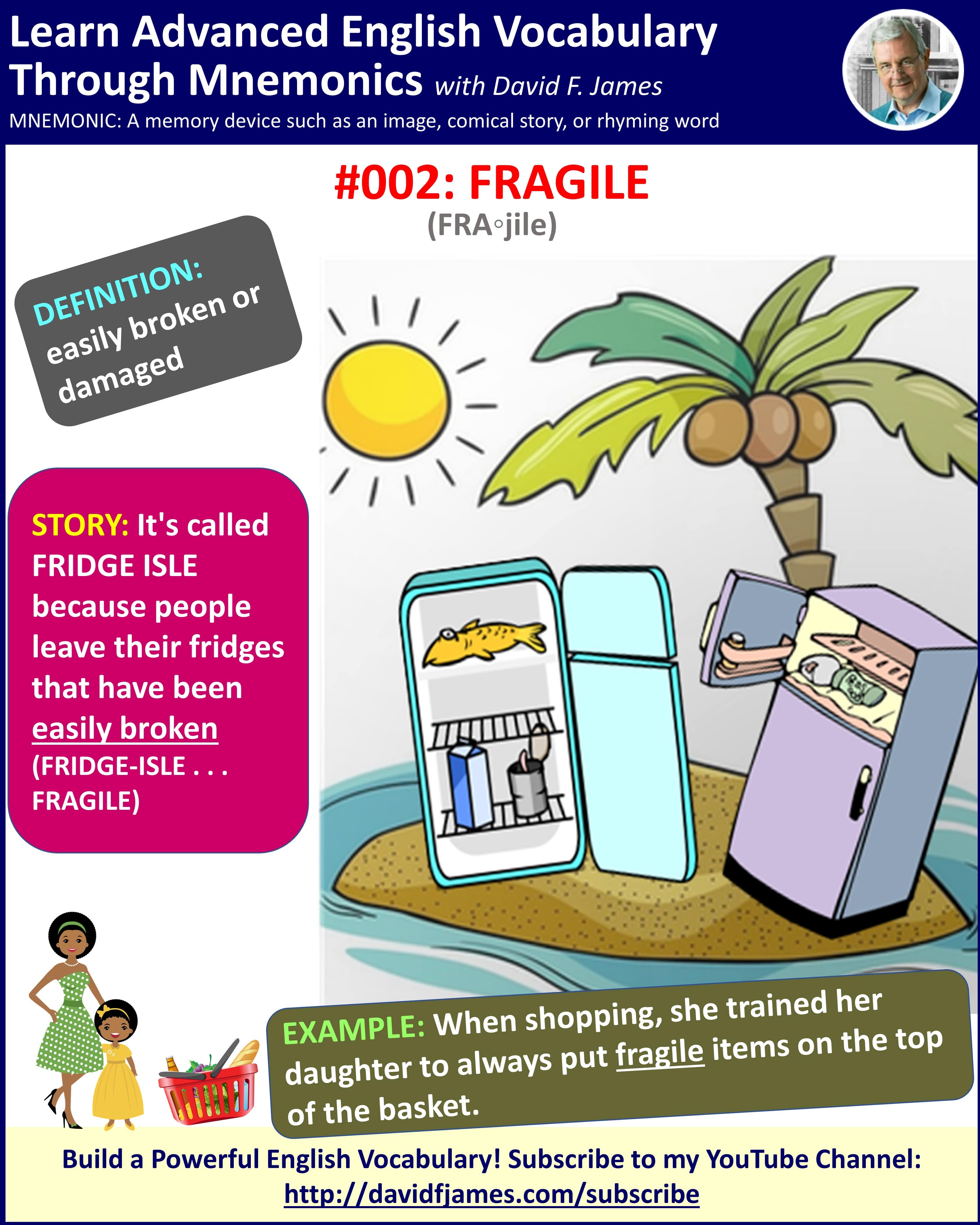
At its simplest, fragility describes something that is easily broken, damaged, or destroyed. This seems straightforward enough when thinking about a delicate glass vase. But the purpose of understanding fragility goes deeper than simply identifying easily breakable objects. It's about understanding vulnerability. It's about recognizing the conditions under which something will fail. And that knowledge allows us to either protect it or design for robustness. The benefits of understanding fragility are immense. In engineering, it informs the design of safer structures. In personal development, it encourages us to build emotional resilience. And in social systems, it prompts us to create more equitable and supportive environments.
Think about how the concept of fragility is used in education. Young children are taught about delicate ecosystems and the importance of conservation. This highlights the fragility of the natural world and the impact of human actions. In science class, students might experiment with different materials to understand their breaking points, learning about tensile strength and material science. In daily life, we constantly encounter fragility. We carefully pack fragile items when moving. We treat antique furniture with respect. We might even use the term "fragile" to describe our own emotional state, acknowledging that we need extra care and support during difficult times.
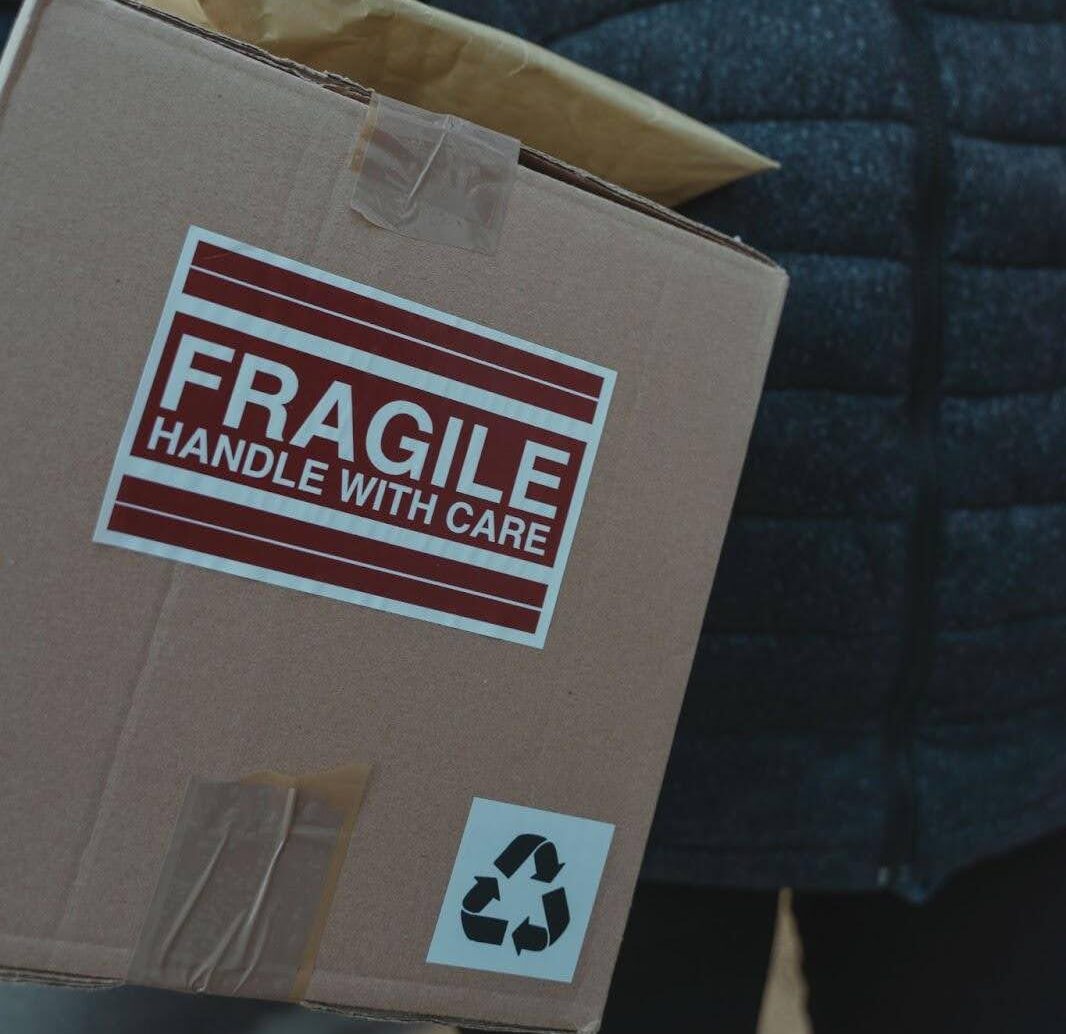
Consider the use of "Handle with Care" stickers on packages. This is a direct acknowledgment of the package's potential fragility during transit. The sticker aims to communicate to handlers the need to treat the package with gentleness to prevent damage. Similarly, the term "fragile X syndrome" in medicine refers to a genetic condition that causes intellectual disability, highlighting the vulnerability of individuals with this condition. Even in software development, the term "fragile code" is used to describe code that is easily broken by small changes, emphasizing the need for robust and well-tested software.
So, how can you explore the concept of fragility in a practical way? Start by simply observing the objects around you. What makes some items more susceptible to damage than others? Consider the materials they are made of, their shape, and how they are used. Try a simple experiment: drop different objects (from a safe height, of course!) and see which ones break easily and which ones don't. Think about your own experiences. What makes you feel emotionally vulnerable? What steps can you take to build your own resilience and protect yourself from emotional damage? The key is to cultivate a sense of awareness and curiosity about the things that are easily broken, both physically and emotionally. By doing so, you'll gain a deeper understanding of the world around you and your place within it. And that's a pretty robust outcome, wouldn't you agree?