Hey everyone! Ever stop and think about where your electricity comes from? Probably not, right? But it's actually a pretty fascinating topic, especially when we start talking about renewable energy. So, let's dive into the world of sunshine power, wind wizards, and watery wonders, and see what makes them so cool (and not-so-cool).
The Shiny Side: Advantages of Renewables
Okay, first things first: why are we even talking about renewable energy? Well, the biggest reason is pretty simple: it's renewable! Think of it like this: fossil fuels (coal, oil, and gas) are like that one slice of cake you really, REALLY want. Once it's gone, it's gone. Renewable energy, on the other hand, is like having a whole orchard of apple trees. You can pick apples year after year without running out (as long as you take care of the trees, of course!).
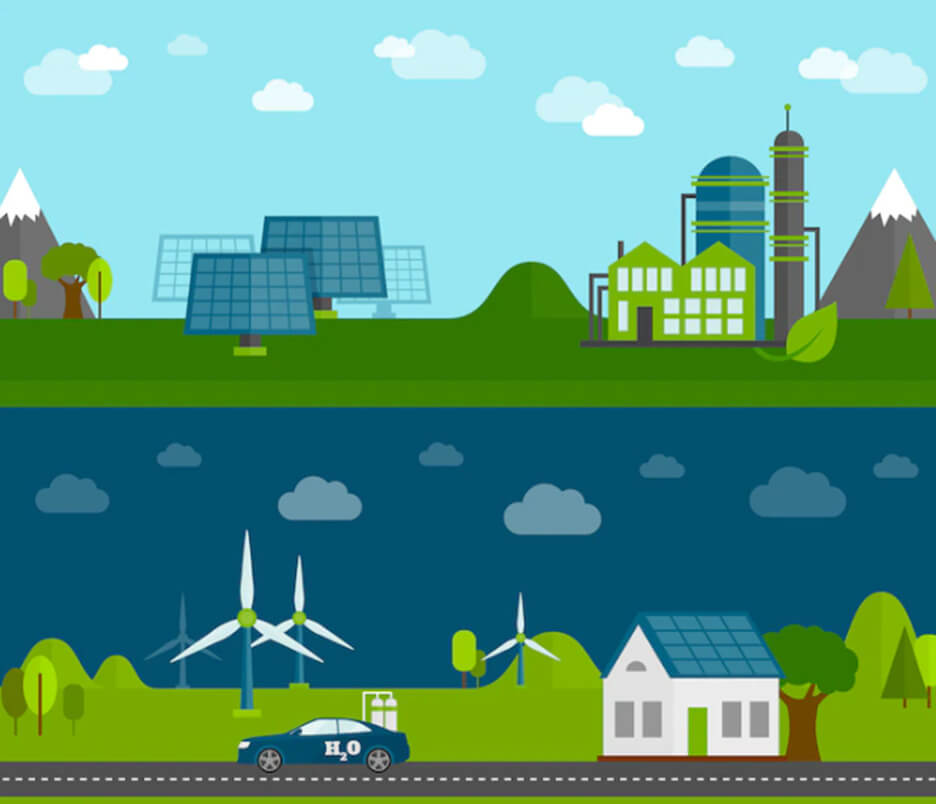
Cleaner Air & a Healthier Planet: Seriously, this is huge. Burning fossil fuels releases all sorts of nasty stuff into the air that makes us cough, pollutes our cities, and warms the planet. Renewable energy sources, for the most part, don't do that. Solar panels? They just soak up the sun. Wind turbines? They just dance in the breeze. Hydroelectric dams? They use the power of flowing water. All pretty clean, right?
Endless Supply (Almost!): We've already touched on this, but it's worth repeating. The sun isn't going anywhere anytime soon (billions of years, actually!). The wind keeps blowing. Rivers keep flowing. Geothermal energy keeps bubbling up from the Earth. These are resources that are constantly being replenished, unlike those finite fossil fuel reserves.
Energy Independence: Imagine a world where your country doesn't have to rely on other countries for its energy. Sounds pretty good, huh? Renewable energy can help make that a reality. By investing in solar, wind, and other renewable resources, countries can generate their own power and become less dependent on foreign oil and gas.
Job Creation: Building and maintaining renewable energy infrastructure creates jobs. Lots of them! From manufacturing solar panels to installing wind turbines, the renewable energy sector is a growing industry with a lot of potential for employment.
Falling Costs: Remember when solar panels were only for super-rich, eco-conscious folks? Those days are long gone. The cost of renewable energy technologies has plummeted in recent years, making them increasingly competitive with fossil fuels. And the price is only expected to keep going down! That's good news for everyone.
The Cloudy Side: Disadvantages of Renewables
Alright, alright, renewable energy sounds pretty amazing, right? But let's not get carried away. Like everything else in life, it has its downsides. It's not all sunshine and rainbows (pun intended!).
Intermittency: This is probably the biggest challenge. The sun doesn't always shine, the wind doesn't always blow, and rivers can sometimes run dry. This means that renewable energy sources aren't always reliable. You can't just flick a switch and expect power to be there 24/7. We need energy storage solutions (like batteries) to help smooth out the gaps, and those can be expensive and resource intensive. Have you ever considered if we need more batteries than the planet can offer?
Location, Location, Location: Some places are just better suited for renewable energy than others. Sunny deserts are great for solar farms, windy plains are perfect for wind turbines, and mountainous regions are ideal for hydroelectric dams. But not every location has these resources in abundance. That means we need to build transmission lines to transport electricity from where it's generated to where it's needed. And those lines aren't free either!
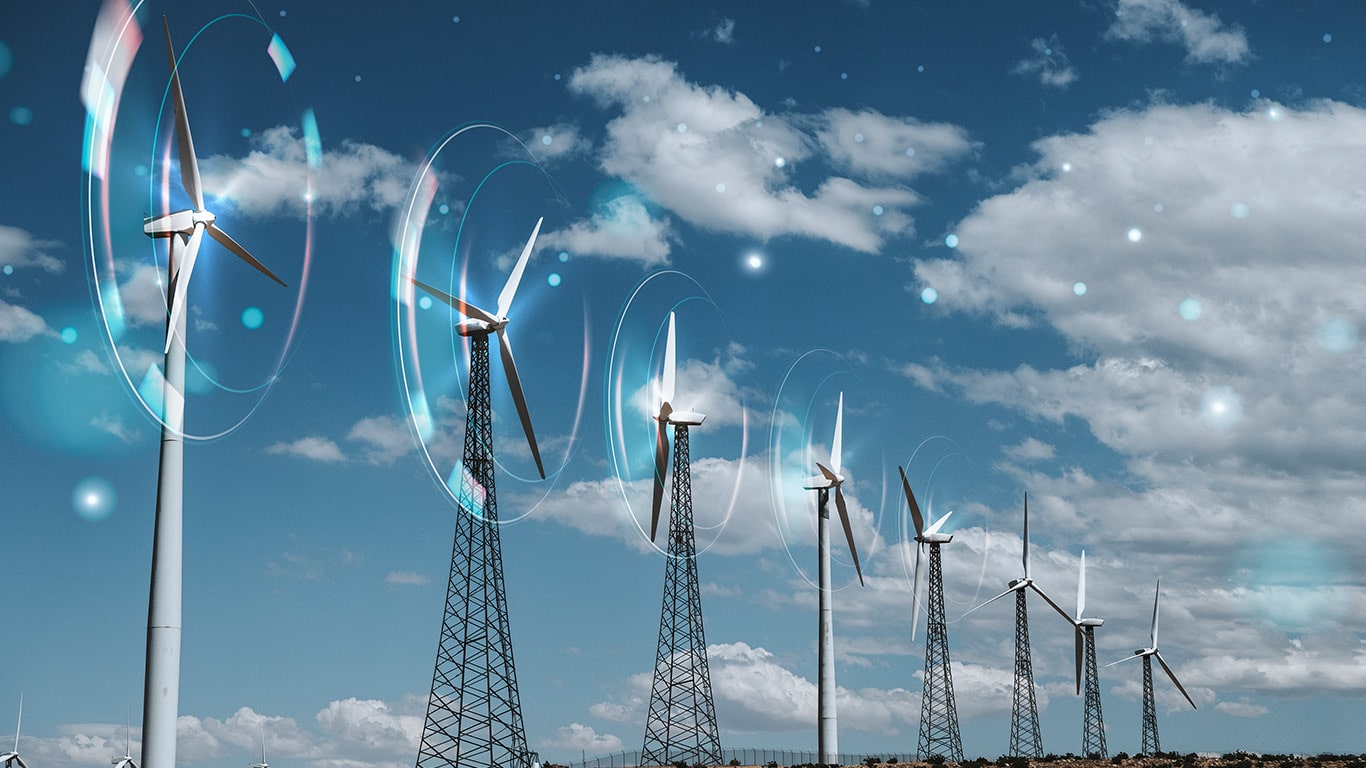
Environmental Impacts: Wait a minute...aren't renewables supposed to be good for the environment? Well, mostly, but not always entirely. Large-scale solar farms can take up a lot of land and disrupt ecosystems. Wind turbines can be noisy and pose a threat to birds and bats. Hydroelectric dams can alter river flows and impact fish populations. We need to be careful about where and how we build these facilities to minimize their environmental impact.
Upfront Costs: While the cost of renewable energy technologies has come down significantly, they still require a significant initial investment. Building a solar farm or wind farm is expensive, even if it's cheaper in the long run compared to a coal plant. This can be a barrier for some countries and communities.
Aesthetic Concerns: Let's be honest, some people just don't like the way wind turbines look. They might see them as eyesores that ruin the landscape. This is a subjective issue, but it's something that needs to be considered when planning renewable energy projects. No matter how you slice it, renewables require space and alter the landscape.
The Bottom Line
So, there you have it: the good, the bad, and the slightly ugly of renewable energy. It's not a perfect solution, but it's definitely a crucial part of a sustainable future. The challenge is to find ways to overcome the disadvantages and maximize the benefits. Is renewable energy a silver bullet for climate change? Absolutely not. But is it a powerful tool that can help us create a cleaner, healthier, and more sustainable world? Absolutely!
What do you think? Are you ready to embrace the power of the sun, wind, and water? I know I am!