Alright, gather 'round, folks! Let's talk about the mysterious elixir that breathes life into our 3D-printed dreams. You know, that stuff that 3D printers *eat* like a hungry, hungry hippo?
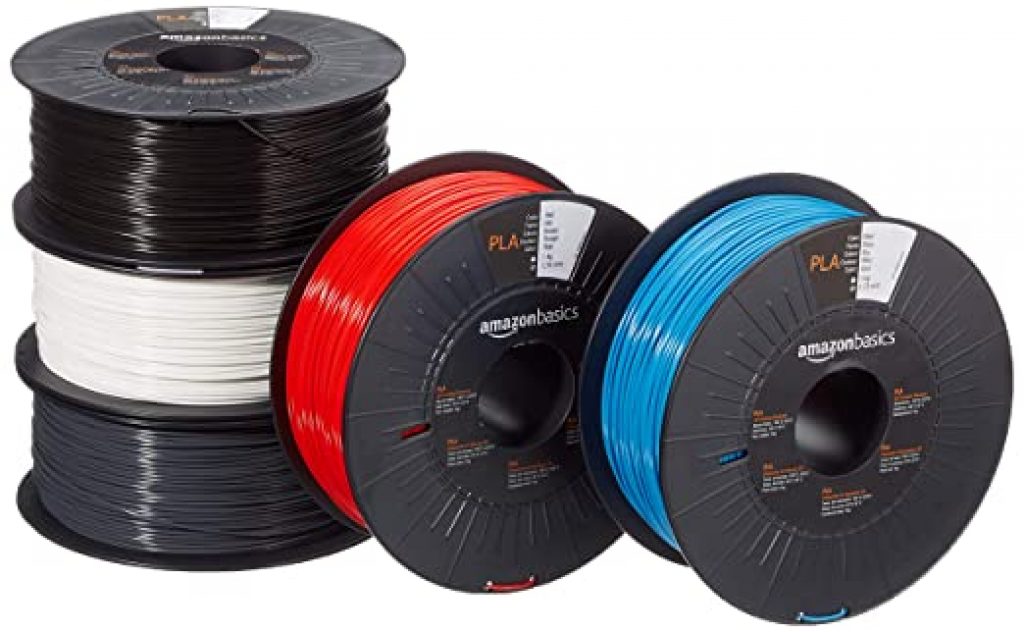
We call it... wait for it... filament! Okay, okay, I know, not exactly the most thrilling name. Sounds like something you'd find tangled in your vacuum cleaner. But trust me, it's way cooler than it sounds. Think of it as the *artisanal spaghetti* of the future.
So, What *Is* This Filament Stuff, Anyway?
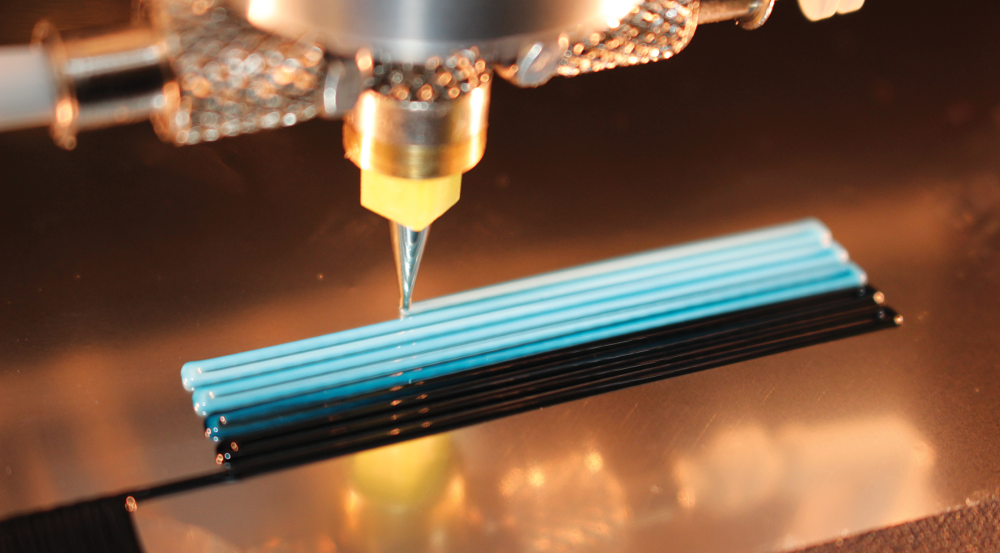
Basically, filament is a thermoplastic. Big word, right? Don't worry, it just means it's a plastic that gets all melty and gooey when you heat it up, and then hardens again when it cools down. Imagine a super-powered crayon that can build you a miniature Eiffel Tower. Boom. Filament.
Think of it like this: your 3D printer is a very precise hot glue gun. The filament is the glue stick. Except instead of sticking things together, it's *creating* things from scratch! It's like a tiny plastic surgeon, but instead of botox, it's injecting molten plastic.
Now, you might be thinking, "Okay, filament. Got it. Is that all there is to it?" Oh, sweet summer child, there's a whole universe of filament types out there! We're talking a veritable galaxy of plastic-y goodness.
The Many Flavors (and Colors!) of Filament
The most common type is probably PLA, or Polylactic Acid. It's made from stuff like corn starch or sugarcane, which makes it sound surprisingly healthy, right? I wouldn't recommend eating it though. Even if it *did* come in a delicious cherry flavor (which, by the way, it does).
PLA is relatively easy to print with and is great for beginners. Plus, it smells vaguely of maple syrup when it's printing, which is a definite bonus. Forget scented candles, just fire up your 3D printer for some ambient aroma-therapy!
Then there's ABS, or Acrylonitrile Butadiene Styrene. This stuff is tougher and more durable than PLA, and it's what LEGO bricks are made of! So if you're printing something that needs to withstand a bit of abuse (like a phone case or a miniature siege engine), ABS is your guy.
But beware! ABS can be a bit trickier to print with. It needs higher temperatures and can sometimes warp or crack if you're not careful. It's like the rebellious teenager of the filament family. Needs a firm hand, but the results are worth it.
But wait, there's more! We've got PETG, a happy medium between PLA and ABS; Nylon, super strong and flexible; TPU, which is basically rubber; and even filaments infused with wood, metal, or *carbon fiber*! I'm not kidding! You can print objects that feel and look like real wood or metal. It's practically alchemy!
Beyond Plastic: The Wild World of 3D Printing Materials
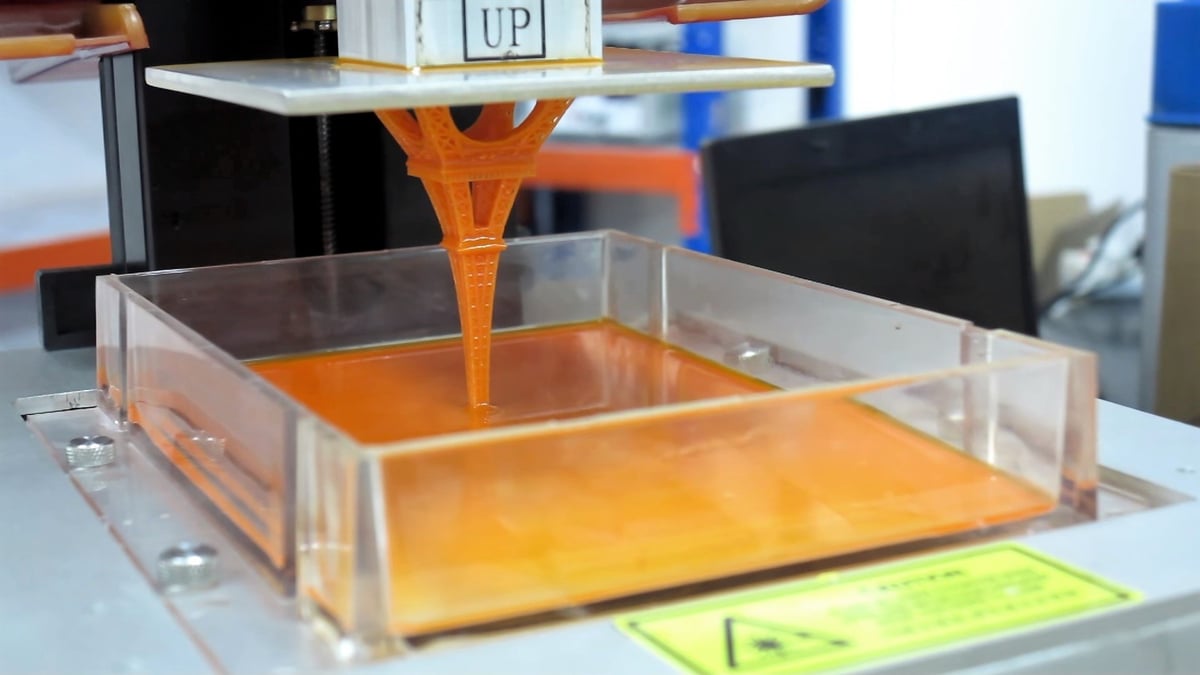
And it doesn't stop at plastics! We're talking about 3D printing with resin, which creates incredibly detailed and smooth objects (perfect for miniatures and jewelry). It smells a bit like a dentist's office, though, which isn't ideal.
People are even experimenting with 3D printing with food! Imagine printing your own personalized pizza toppings or creating elaborate cake decorations. The possibilities are endless! (And potentially delicious!)
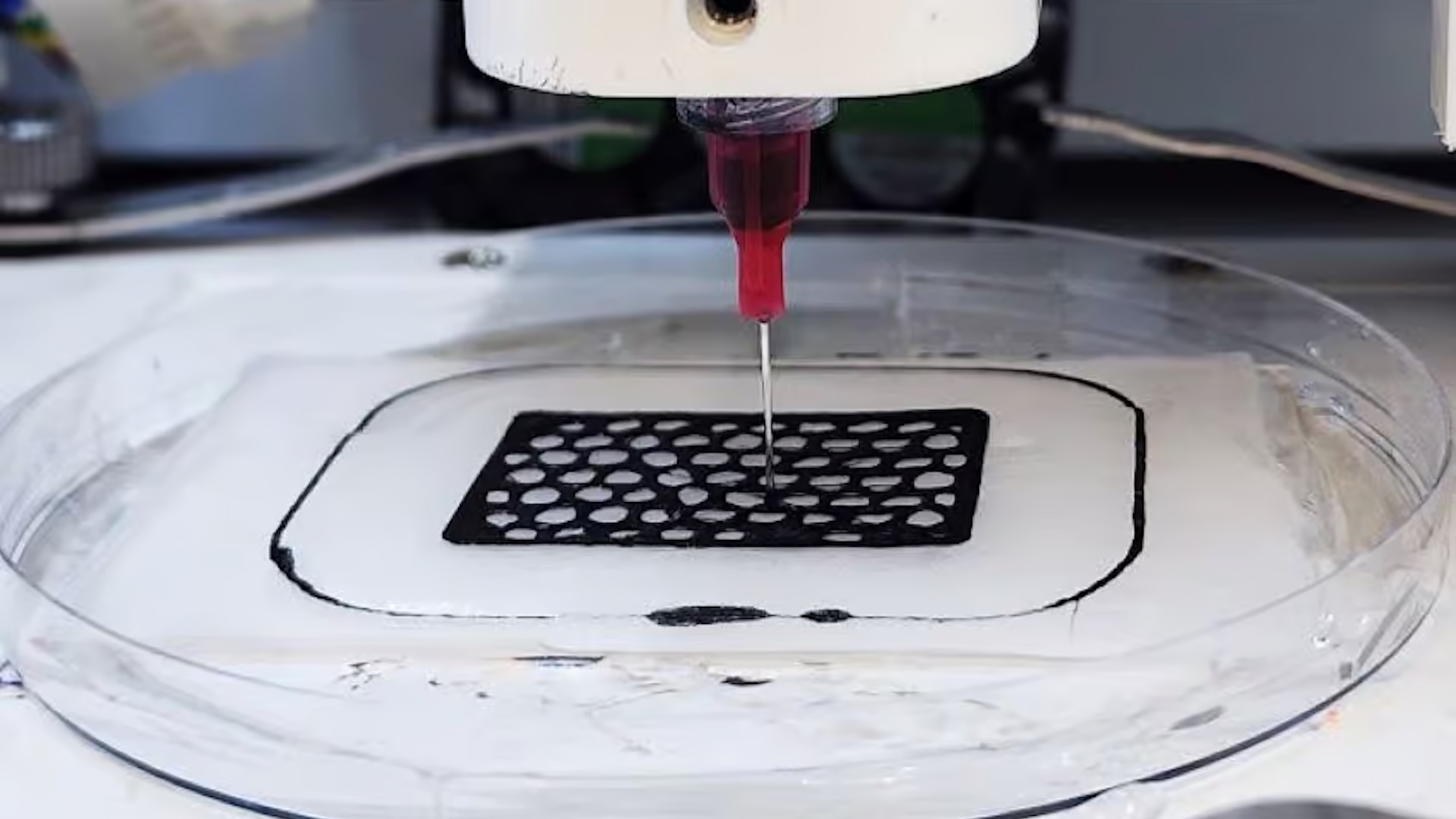
Heck, they're even talking about 3D printing human organs! Okay, that's a *little* further down the road, but the fact that it's even being considered is mind-blowing, right? I mean, imagine printing yourself a new kidney on a Tuesday afternoon. Talk about convenient!
So, the next time someone asks you what "3D printer ink" is called...
...you can confidently answer: "It's called filament, and it's so much more than just ink! It's the key to unlocking a world of creative possibilities! It's the building block of the future! And sometimes it smells like maple syrup!"
Just try not to get too carried away and start printing everything you see. Trust me, you don't need a 3D-printed replica of your neighbor's cat. Unless, of course, your neighbor's cat is particularly majestic. Then, by all means, proceed.
In conclusion, filament is awesome. Go forth and print!