Alright, gather 'round, gather 'round! Let me tell you a story, a story about... hardness. No, not how many times you've tried (and failed) to assemble IKEA furniture. We're talking materials, baby! Think diamonds, rocks, and that weirdly sturdy plastic spatula you got at the dollar store.
So, what exactly is hardness? Imagine you're at a particularly aggressive cheese tasting. You've got a cheddar that's practically begging to be sliced, and then you've got a block of parmesan that's looking at your knife like, "Is that all you've got, pal?" That parmesan has high hardness.
It's All About Resistance!
In a nutshell, hardness is a material's ability to resist permanent deformation. That's a fancy way of saying how well it can withstand being dented, scratched, or otherwise messed with. Think of it like this: if you try to scratch something with a fingernail, and it doesn't leave a mark, that thing is probably pretty hard. If you can scratch it, well... maybe stick to scratching lottery tickets instead.
Now, things get interesting because there are different ways to measure this resistance. It's not just about yelling "Harder! HARDER!" at a piece of metal until it cracks (although, I admit, I've considered that approach with particularly stubborn jar lids).
There are a few popular methods, and each one is like a different contestant in the "World's Toughest Material" pageant.
The Mohs Scale: The OG Hardness Test
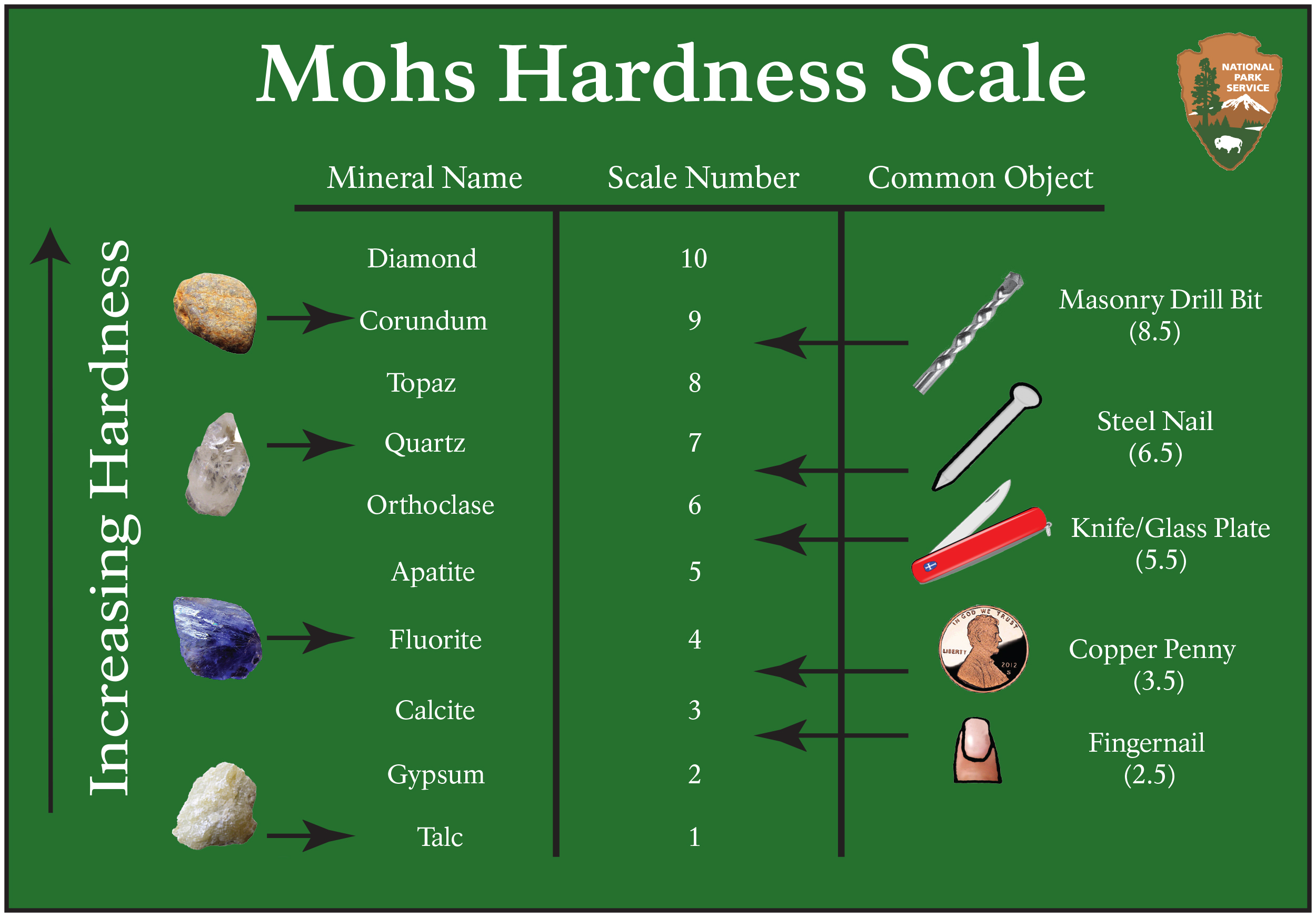
First up, we have the Mohs scale. This one's been around since the early 1800s, so it's basically the great-grandpappy of hardness tests. It's a relative scale, meaning it compares materials to each other. It ranges from 1 (talc, which is so soft you can practically crumble it with your thoughts) to 10 (diamond, the king of bling and the bane of supervillains' escape plans).
The Mohs scale works by seeing if one material can scratch another. Diamond can scratch everything, obviously. Talc can't scratch anything except maybe a particularly delicate snowflake. Fun fact: your fingernail has a hardness of about 2.5 on the Mohs scale. So, you can scratch gypsum (hardness of 2) but not calcite (hardness of 3). Go forth and scratch, my friends!
But here's the thing about the Mohs scale: it's not linear. The difference in hardness between a 9 and a 10 is much bigger than the difference between a 1 and a 2. It's like comparing a chihuahua to a T-Rex. Both are technically animals, but one is slightly more likely to steal your sandwich and the other... well, let's just say sandwiches would be the least of your worries.
Brinell, Vickers, and Rockwell: The Heavy Hitters
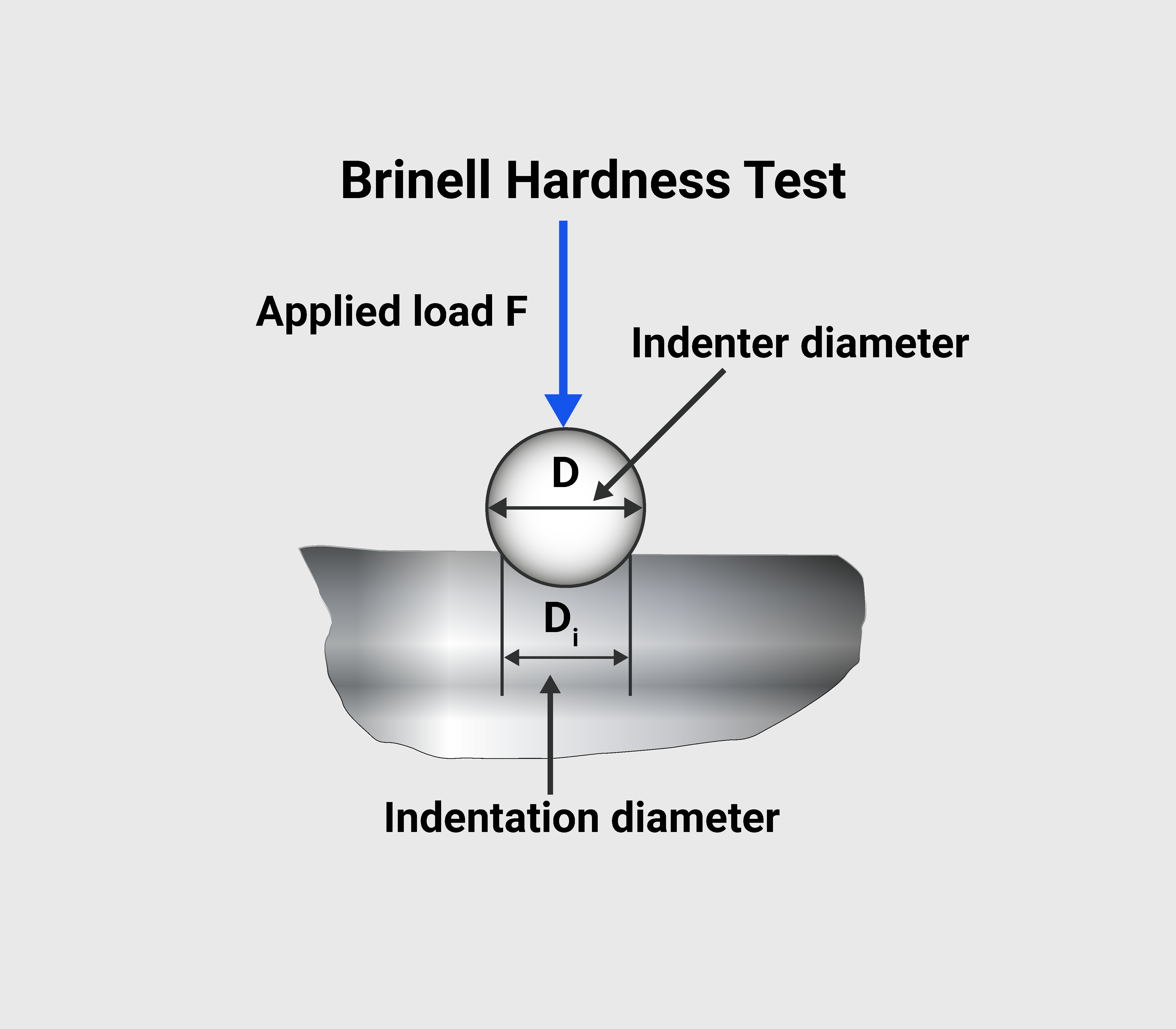
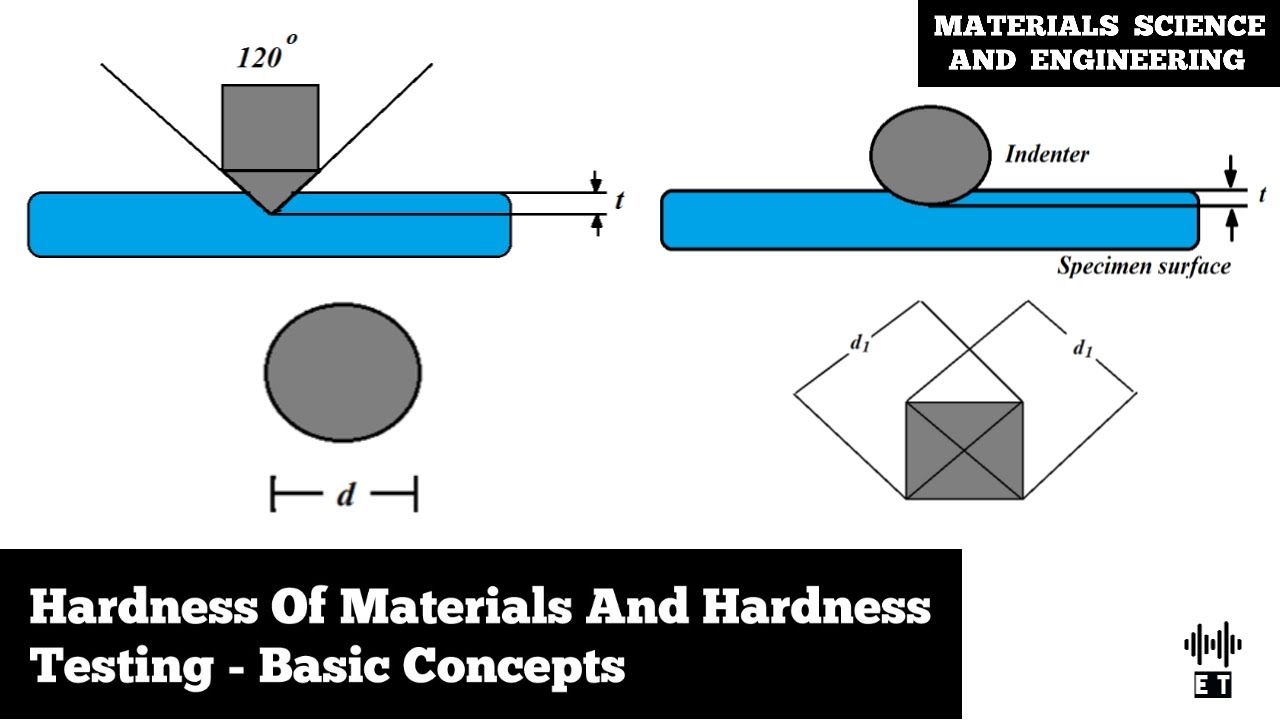
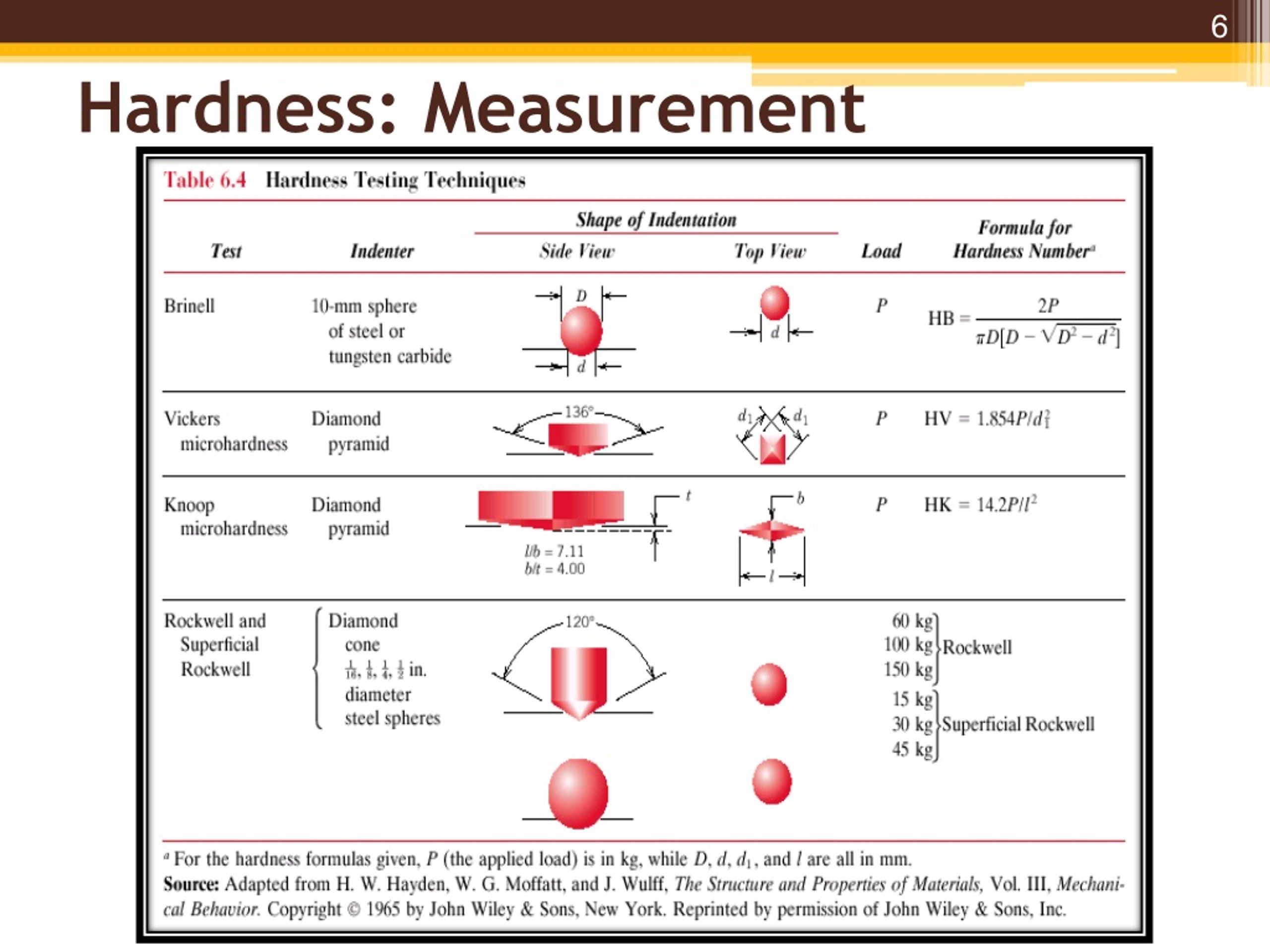
Then we have the more scientific methods, like the Brinell, Vickers, and Rockwell tests. These involve pressing an indenter (usually a ball or a cone) into the material with a specific force. The size of the indentation is then measured, and that tells you the hardness. Think of it like a tiny, controlled wrestling match between the indenter and the material.
Each of these tests uses different indenters and different force levels, so they're better suited for different materials. The Brinell test, for example, is great for larger samples of softer materials like aluminum and copper. The Vickers test can handle a wider range of materials, including hardened steel. And the Rockwell test is super popular in manufacturing because it's quick and easy to use.
The results of these tests are usually expressed as a number followed by a letter indicating the test method. So, you might see something like "60 HRC," which means the material has a Rockwell hardness of 60 on the C scale. (Don't worry, you don't need to memorize all the scales. Unless you're planning on becoming a materials scientist, in which case, good luck and may the force be with you!)
Why Does Hardness Matter?
So, why do we even care about hardness? Well, it's crucial for all sorts of things! Engineers need to know the hardness of materials when designing bridges, buildings, and airplanes. Dentists need to know the hardness of fillings. Jewelers need to know the hardness of gemstones. Even your humble spatula needs to be hard enough to scrape the bottom of a pan without melting into a gooey mess.
Ultimately, hardness is all about durability and performance. It tells us how well a material will hold up under stress and wear. It's the unsung hero of the material world, quietly working behind the scenes to make sure our tools, our structures, and even our cheeseboards can withstand the test of time (and aggressive cheese tastings).
So the next time you encounter something exceptionally hard, take a moment to appreciate its resistance. And maybe offer it a slice of cheddar. Even the toughest materials deserve a little love.