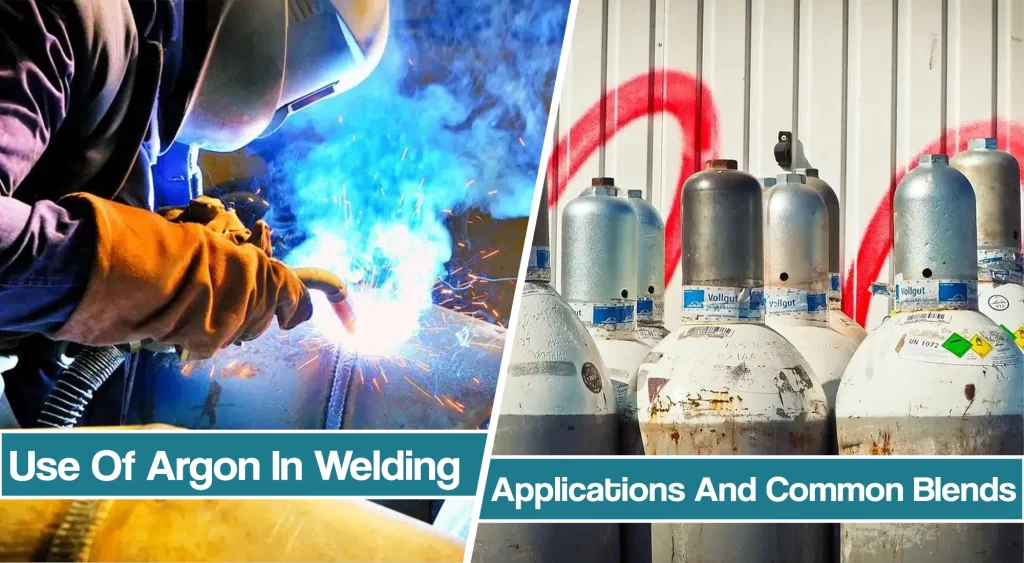
Okay, let's talk welding. And specifically, what the heck argon is doing there. You know, that invisible stuff they pump out of tanks that smells suspiciously like... nothing?
Argon: The Unsung Hero (Maybe)
Everyone focuses on the welder. The sparks! The heat! The cool mask flips! But what about argon? It’s the quiet, dependable friend who's always there, holding your beer, so to speak. In welding, that beer is molten metal. And argon is trying to stop it from getting all... skunky.
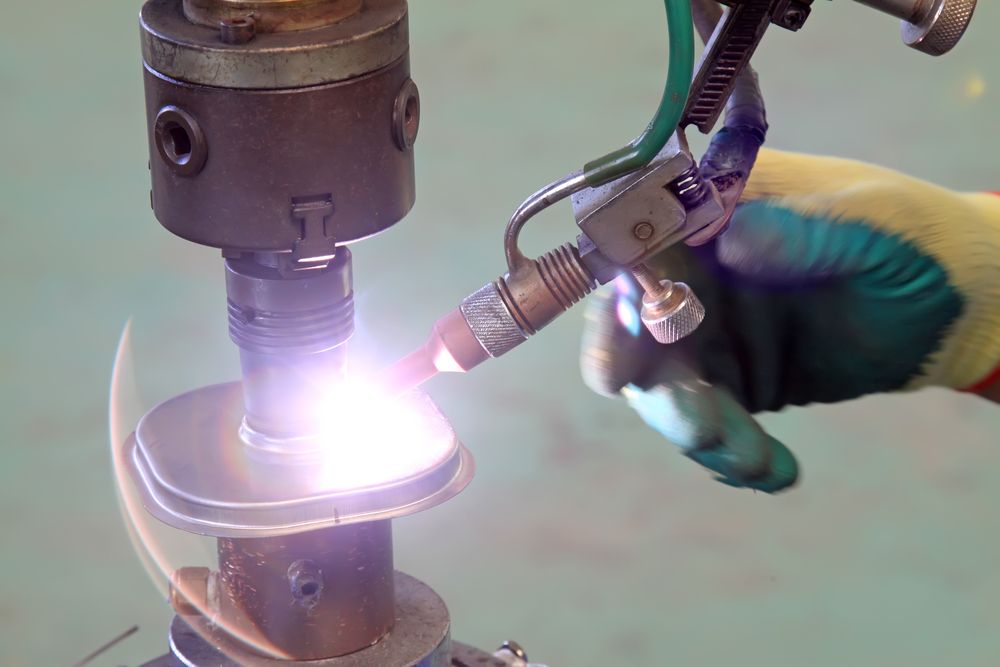
Basically, argon is a shield. Think of it like a bouncer at a really, really hot club – the club being where you're joining two pieces of metal together. The bouncer's job is to keep the riff-raff out. In this case, the riff-raff is oxygen and nitrogen. These guys are party crashers. They mess with the weld. They cause it to get brittle, weak, and generally un-fun.
So, argon floods the area. It pushes out all the oxygen and nitrogen. This creates a nice, clean, controlled environment for the weld to form. No unwanted guests allowed! Think of it as creating a VIP lounge for your molten metal. Only the cool elements are allowed inside.
It's All About Cleanliness, People!
A clean weld is a strong weld. And argon is all about cleanliness. It's like the Marie Kondo of welding gases. Does this oxygen spark joy? No? Then it's gotta go!
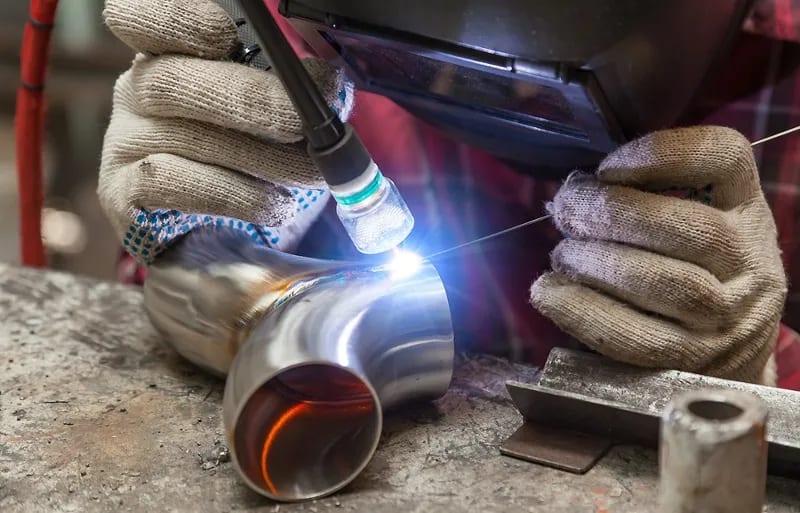
This shielding effect is crucial for certain types of welding, especially TIG welding (that's Tungsten Inert Gas welding for the uninitiated). TIG welding is known for producing very precise and high-quality welds. You need that argon shield to keep things pristine. It's also super important for MIG welding (Metal Inert Gas welding), depending on the materials.
Without argon, you might as well be trying to bake a cake in a wind tunnel. It's just not going to work. You'll end up with a crumbly mess, and nobody wants that.
My Unpopular Opinion: Argon Isn't *That* Special
Now, here's where I might get some flak. But I'm gonna say it anyway. While argon is important, I think it gets too much credit. Hear me out!
There are other gases that can be used for shielding. Helium, for instance. And sometimes, you even use mixtures of gases to get the perfect welding environment. Argon is just the most common, and often the most cost-effective.
It's like saying the only good coffee is from Starbucks. Sure, it's popular. Sure, it gets the job done. But there are tons of other amazing coffee shops out there! And some of them might even be better! (Gasp! Blasphemy!).
So, yes, argon is important in welding. It keeps out the bad guys and allows for a clean, strong weld. But let's not act like it's the only game in town. There are other gases out there that deserve a little love too.
In Conclusion: Thank You, Argon (But Not *Too* Much)
So, the next time you see a welder, take a moment to appreciate the argon. It’s working hard behind the scenes to make sure everything goes smoothly. But also remember there are other gases too. Maybe we should start a campaign for underappreciated welding gases. #HeliumDeservesBetter, anyone?
Just kidding (mostly). But seriously, argon, thanks for keeping our welds strong. You're alright. Now, if you'll excuse me, I'm going to go research the properties of Krypton. Who knows, maybe it's the next big thing in welding!
Disclaimer: I am not a professional welder. This article is for entertainment purposes only. If you're planning on doing any welding, please consult with a qualified expert. And wear your safety gear!