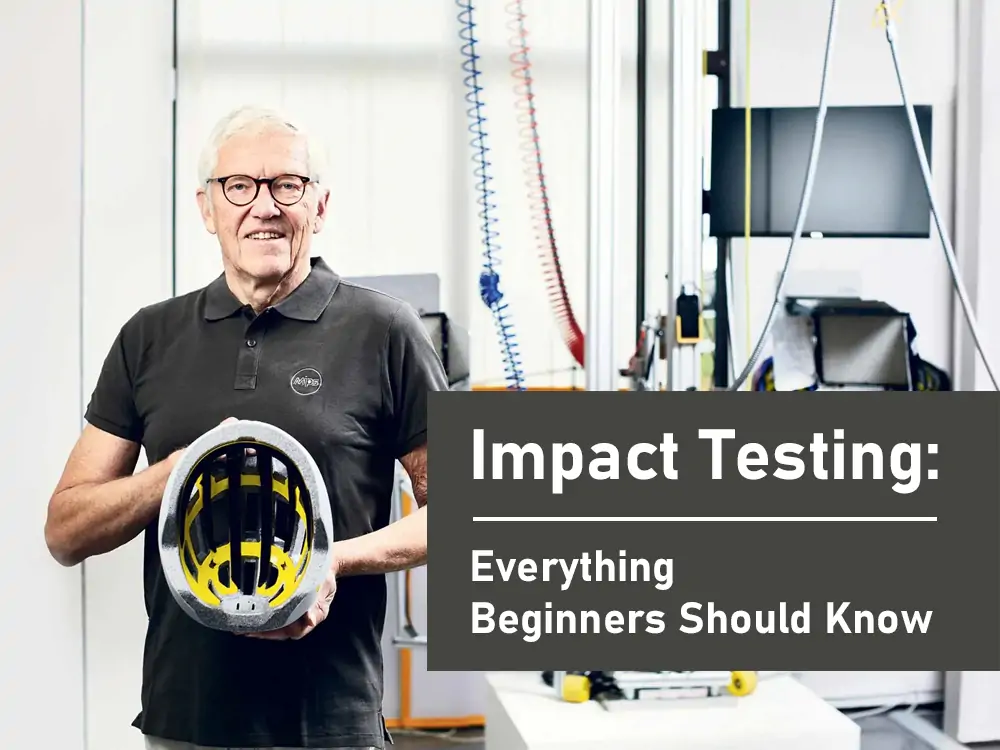
Ever bumped your head a little too hard? Maybe walked into a doorframe (we've all been there!), or slipped on some ice? That little "thunk" you hear? Well, imagine that happening while you're sprinting down a field, slamming into another player during a hockey game, or taking a tumble snowboarding. Ouch, right?
That's where impact testing comes in, especially when we're talking about sports. It's not about deliberately hurting anyone, don't worry! It's all about understanding how much of a "thunk" our brains and bodies can handle before things get serious. Think of it like a crash test for athletes… but way less dramatic (and involving way fewer dummies!).
What Exactly *Is* an Impact Test for Sports?
Okay, let's break it down. An impact test in sports is essentially a scientific way of measuring how protective sports equipment (like helmets, pads, and mouthguards) actually is. It's like quality control, making sure that the gear designed to keep us safe is doing its job.
Imagine you're buying a new phone case. You want one that looks good, sure, but more importantly, you want one that'll actually protect your phone if you drop it (because, let's face it, you *will* drop it). Impact testing for sports equipment is the equivalent of dropping that phone case – repeatedly – to see how well it holds up.
Instead of phones, we're talking about heads, knees, and shoulders. And instead of dropping, we're talking about simulating the kinds of forces those body parts might experience during a game.
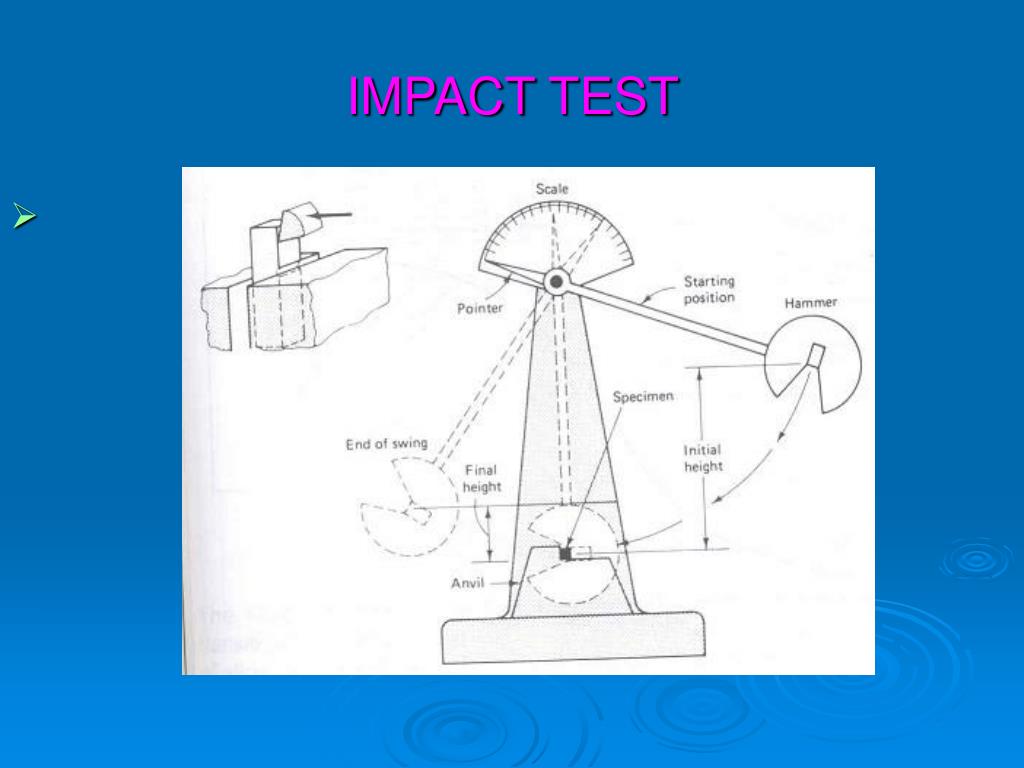
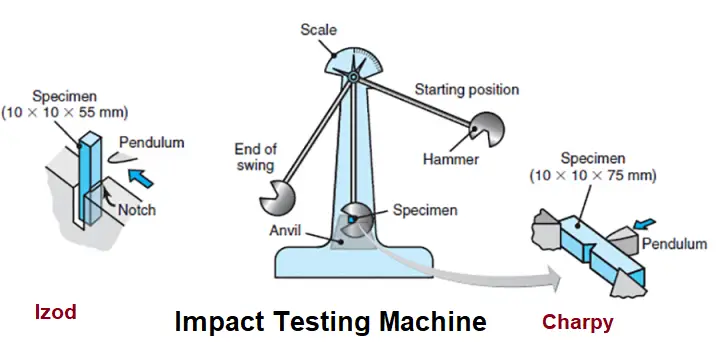
So, how does it work? In a nutshell, researchers use specialized equipment to simulate impacts. This might involve dropping weights onto a helmet attached to a head-shaped mannequin, or using a pneumatic ram to slam a pad against a sensor.
Sensors record the force of the impact, the duration of the impact, and how much of that force is transferred through the equipment to the body part it's supposed to be protecting. The lower the force that gets through, the better the equipment is at doing its job.
Why Should *You* Care About It?
Maybe you're not a professional athlete. Maybe you're not even a *serious* amateur athlete. But if you or your kids play any sport, even just for fun, you should care about impact testing. Here's why:
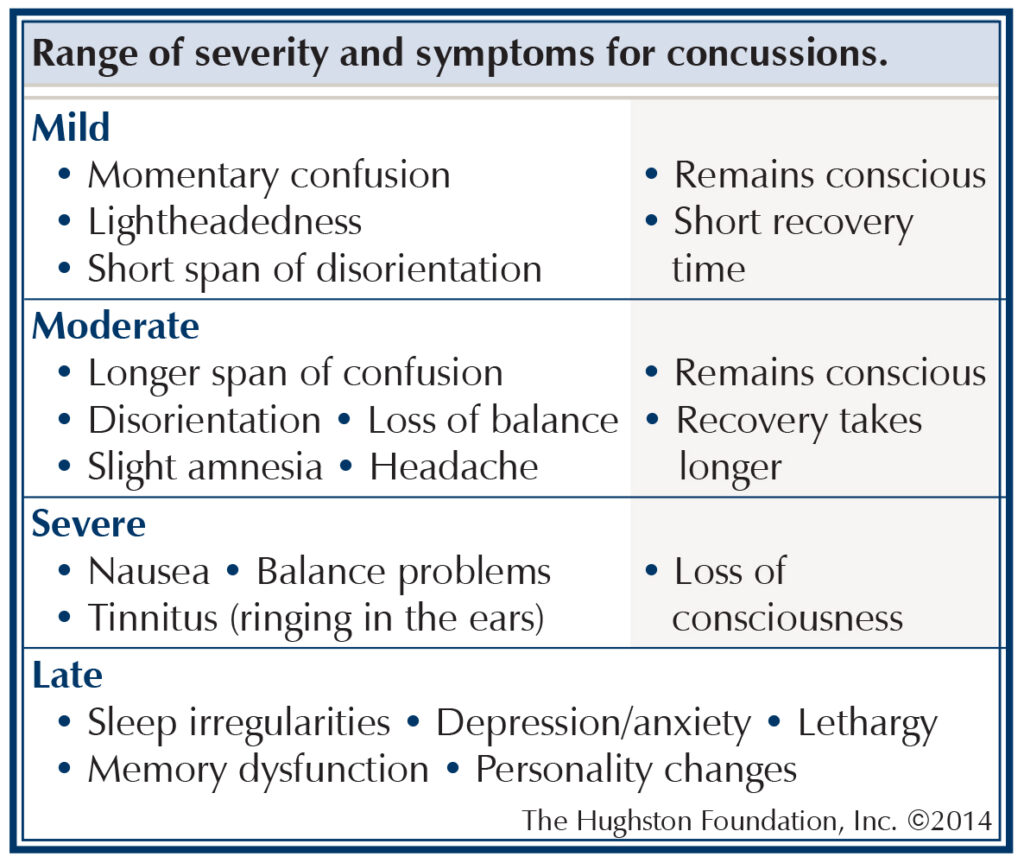
*Safety First!* This is the big one. Impact testing helps ensure that the equipment we use is actually protective. This can reduce the risk of serious injuries like concussions, fractures, and other nasty stuff. It's like making sure your car has working seatbelts and airbags – you hope you never need them, but you're sure glad they're there.
*Better Equipment.* The data collected from impact testing helps manufacturers improve their designs. They can see where equipment is weak and make it stronger. This leads to better, more protective gear over time. Think of it as continuous improvement in the name of safety.
*Informed Choices.* Understanding impact testing helps you make more informed decisions when buying sports equipment. You can look for gear that has been tested and shown to provide good protection. Instead of just going for the coolest-looking helmet, you can choose one that's actually going to protect your noggin!
*Peace of Mind.* Knowing that the equipment you're using has been rigorously tested can give you peace of mind. Whether you're watching your child play football, or hitting the slopes yourself, you can relax a little knowing that everyone is wearing the best protection possible.
It's Not Just for the Pros
You might think impact testing is only relevant for professional athletes in high-impact sports like football or hockey. And while it's certainly crucial for them, it's important for *anyone* who participates in sports, regardless of their level or the sport they play.
Even seemingly low-impact activities like cycling, skateboarding, or even recreational soccer can result in head injuries. That's why it's essential to wear properly fitted, tested protective gear, no matter what sport you're playing.
Think of it like this: you wouldn't skip brushing your teeth just because you don't have any cavities yet, right? You brush them to *prevent* cavities. Similarly, you wear protective gear to *prevent* injuries, even if you've never been hurt before.
So, the next time you're buying a helmet, a pad, or any other piece of protective sports equipment, take a moment to consider the impact testing behind it. It could be the difference between a minor bump and something much more serious. Stay safe and have fun!