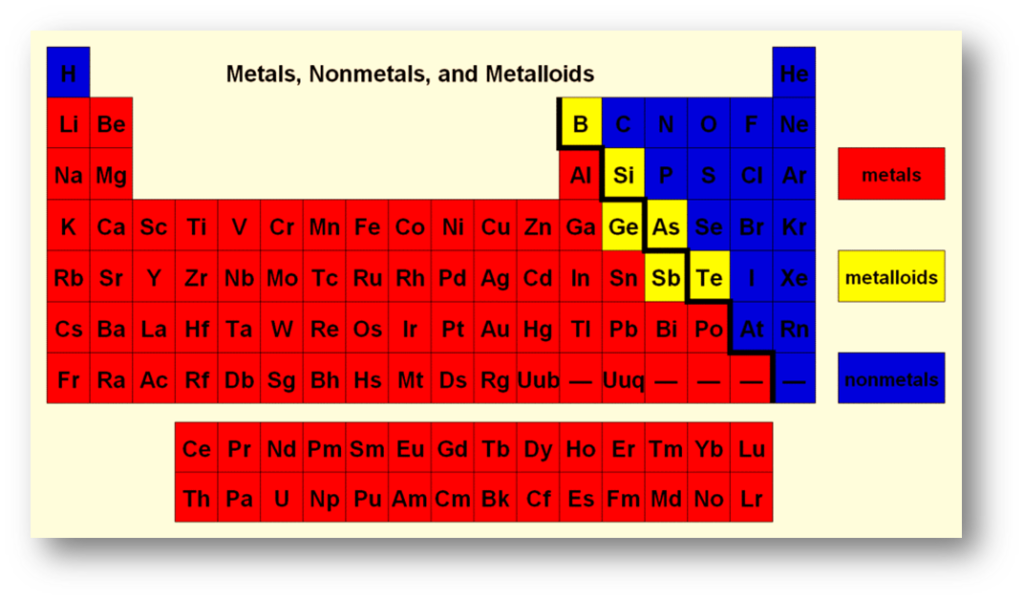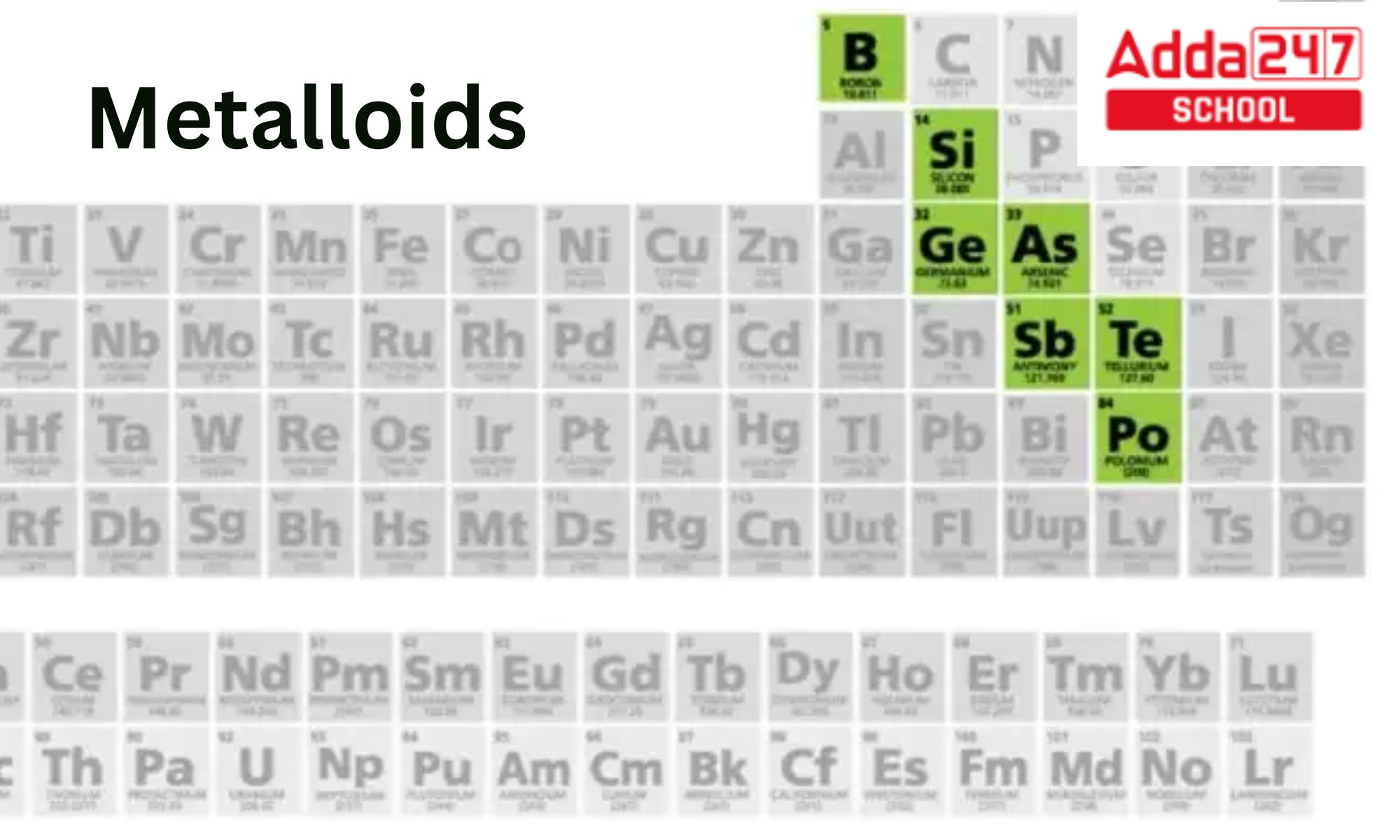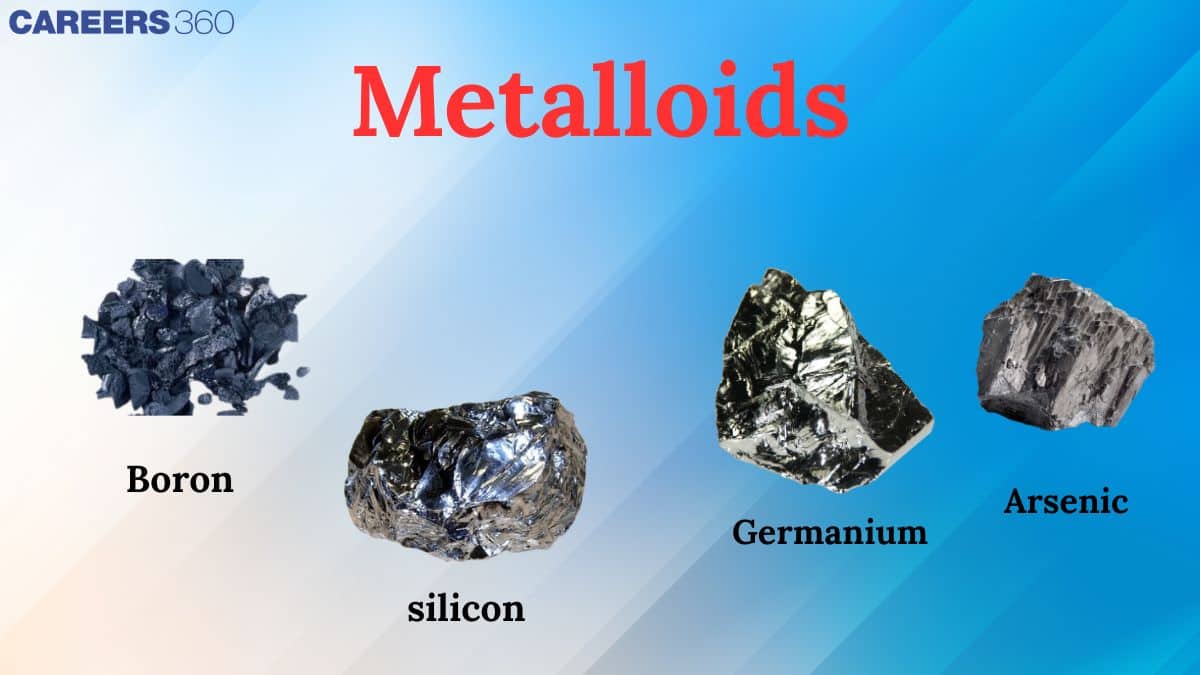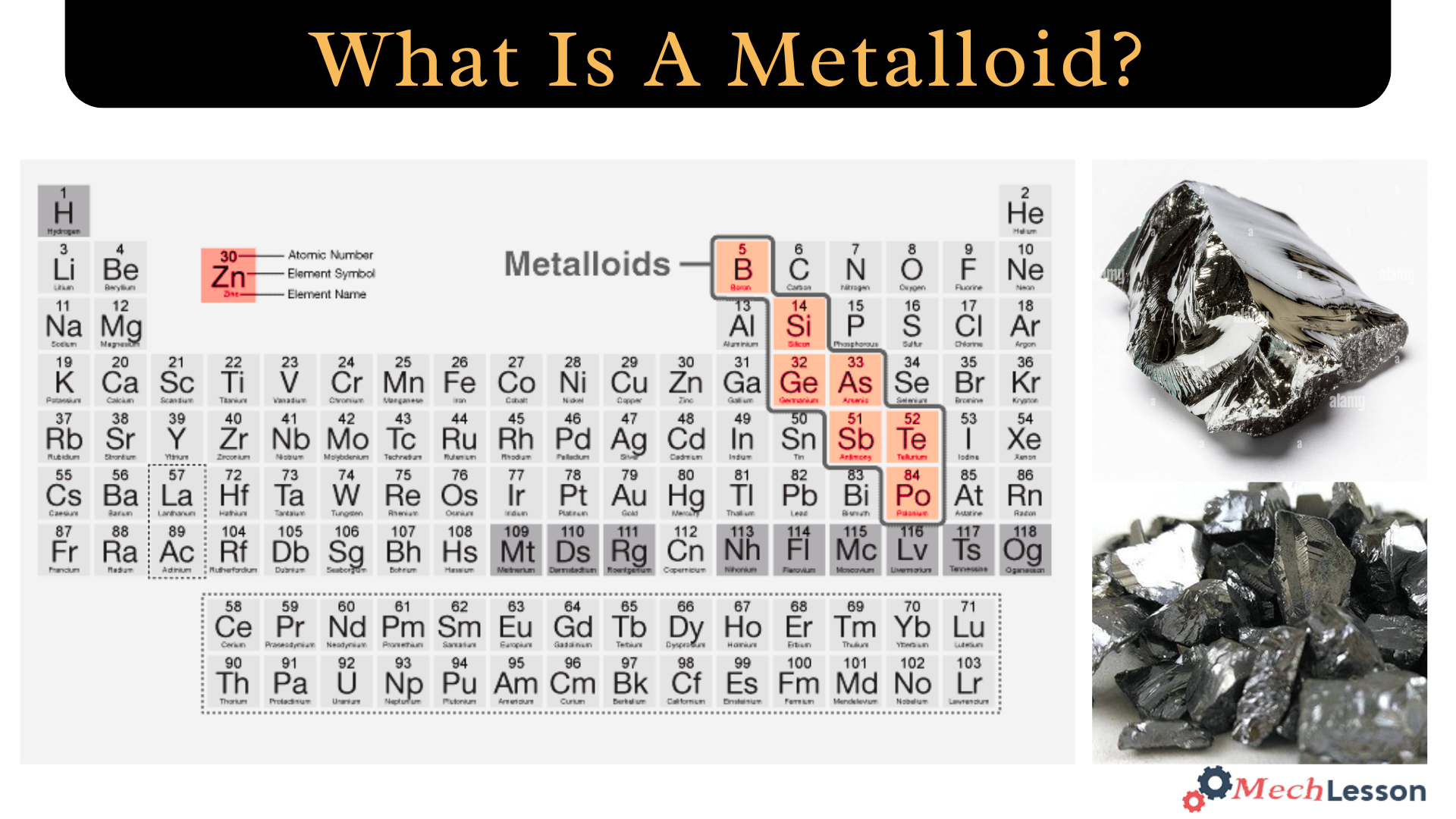
Okay, folks, let's talk about a celebrity. Not the kind who wears sparkly dresses and graces magazine covers, but a celebrity in the periodic table. I'm talking about a metalloid, and specifically, let's zoom in on our star: Silicon. Yes, that stuff your computer is practically made of. Get ready for a tale that involves sand, sunshine, and how your cat videos get to your screen!
Imagine you're at the beach. Ah, the salty air, the crashing waves… and tons and tons of sand. What is sand? Well, a big part of it, the stuff that gives most beaches their color, is silicon dioxide, also known as silica. Think of silica as silicon's favorite outfit – it’s how silicon likes to hang out with oxygen.
Now, silicon by itself isn’t going to be glittering like a diamond. It's a rather unassuming, grayish, somewhat metallic-looking element. But don't let its appearance fool you. This shy guy is the reason we have the digital age!
From Sand to Silicon Valley: A Love Story
How does beach sand become the brains of your smartphone? It's a fascinating journey, one that involves a lot of heat, chemistry, and a touch of magic. Basically, you take that silica, melt it down with carbon, and *poof*, you get relatively pure silicon. Think of it like baking a really complicated cake, where the end result is something that looks nothing like the ingredients you started with.
This purified silicon then undergoes further processing, a super-precise dance of adding tiny amounts of other elements (doping, it’s called!) to control its electrical properties. This is where the 'metalloid' part comes in. See, silicon isn't quite a metal and isn’t quite a non-metal. It's a bit of both! It can conduct electricity, but not as well as a metal. This "sometimes yes, sometimes no" behavior makes it perfect for building transistors.
Transistors are like microscopic switches that control the flow of electricity. They are the fundamental building blocks of computer chips. And these chips, packed with billions of transistors made from silicon, are what power everything from your toaster oven to the Mars rover. So, the next time you make toast, remember to thank silicon!
Silicon: The Unsung Hero of Modern Life
But silicon's story doesn't end with computers. Think about solar panels. Those shiny panels converting sunlight into electricity? Yep, they often use silicon too! Silicon’s ability to interact with light makes it a vital component in harvesting solar energy. So, that sunshine you're soaking up on the beach? Silicon's helping us turn it into clean energy!
And speaking of the beach, silicon also finds its way into all sorts of other things. It's in the glass of your windows, the ceramics of your coffee mug, and even some cosmetics. Silicones (compounds containing silicon) are used in lotions and shampoos to make them smooth and silky. You might even find it in some of your favorite foods as an anti-caking agent, keeping things from clumping together.
So, Silicon, our metalloid superstar, is all around us, often hidden in plain sight. It’s a reminder that even the most ordinary-seeming things, like sand, can have extraordinary potential. It's the quiet, unassuming hero of the digital age, working tirelessly behind the scenes to keep our world connected, powered, and just a little bit smoother. It's kind of heartwarming, isn't it? All that power and potential hiding in something so simple.
Next time you're scrolling through your phone, remember the amazing journey of silicon, from the beach to your hand. And maybe, just maybe, send a little mental thank you to this humble, yet incredibly powerful, metalloid.