Ever burned your tongue on a too-hot slice of pizza? Or maybe you've felt the heat radiating from your car engine after a long drive? Well, your computer experiences something similar! That's where the unsung hero, the heat sink, comes to the rescue.
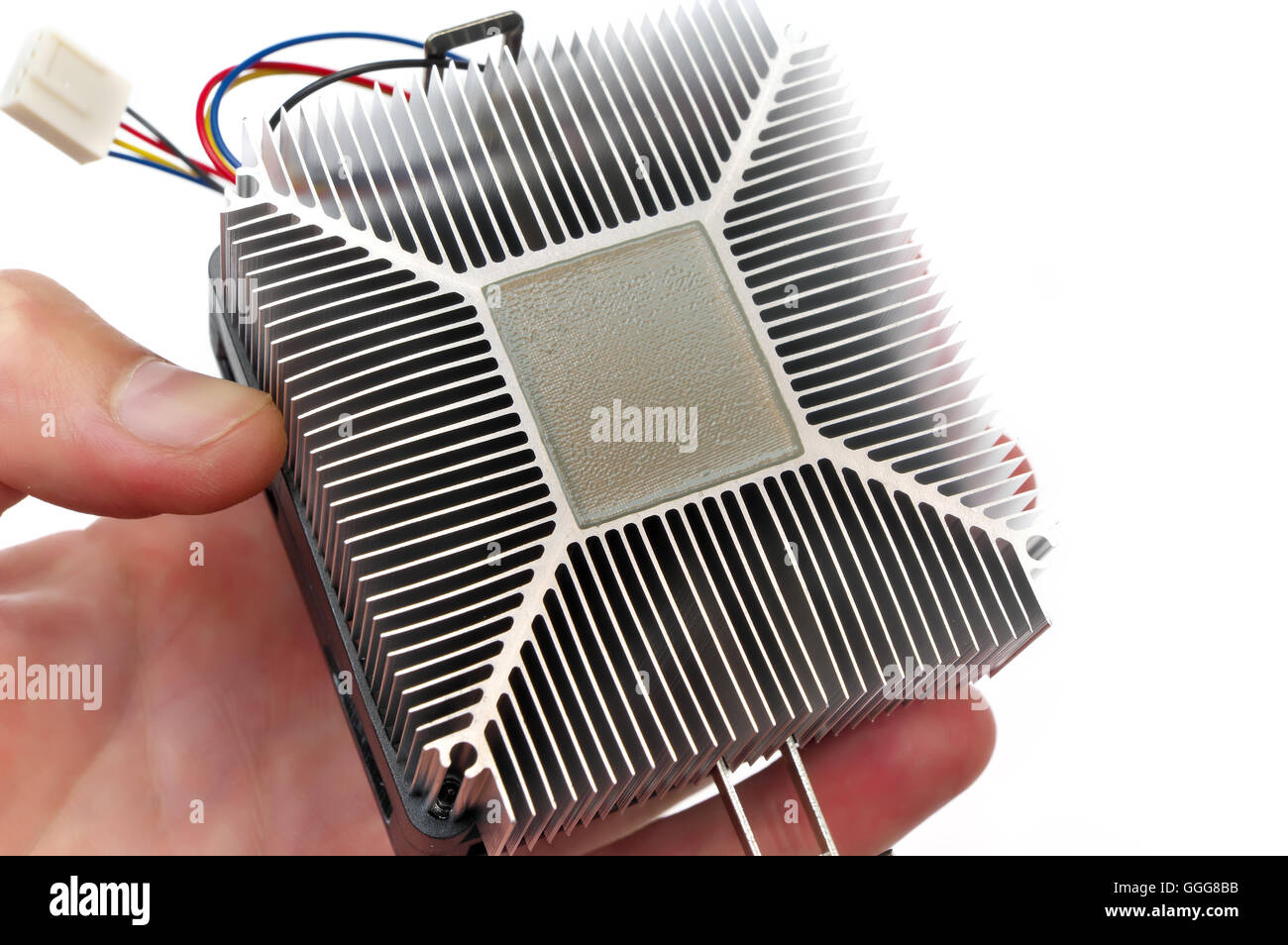
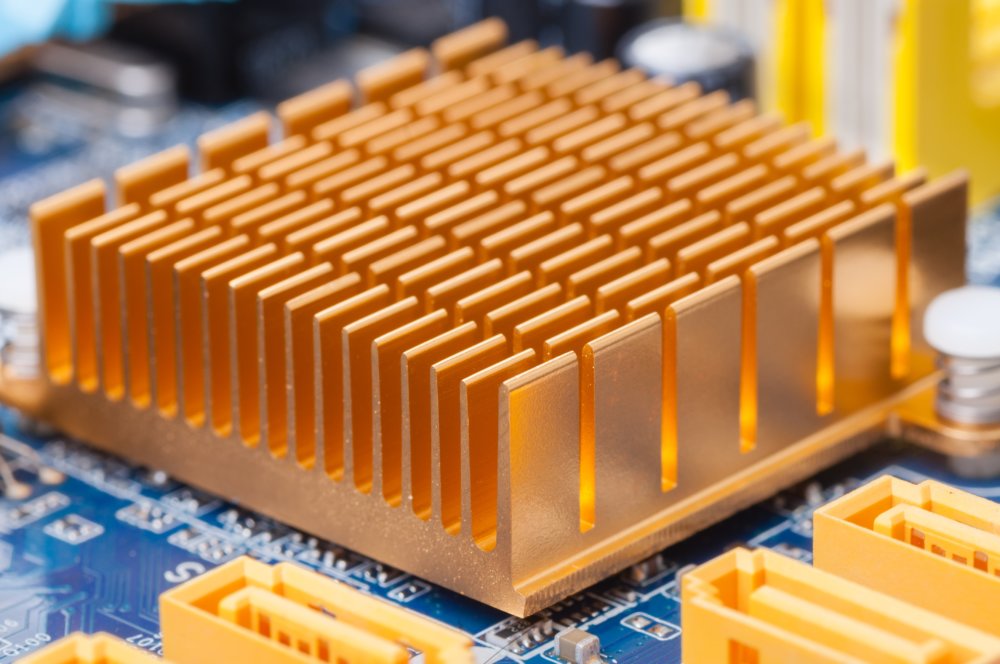
So, what exactly is a heat sink? Think of it like a really enthusiastic fan, but instead of blowing air on you directly, it's designed to *absorb* heat from a component in your computer. Specifically, it's a clever piece of metal (usually aluminum or copper) with fins or other shapes to increase its surface area.
Why All the Fuss About Heat?
Your computer's brain – the CPU (Central Processing Unit) – and its partner in crime, the GPU (Graphics Processing Unit), are tiny powerhouses. But with great power comes great heat! As these chips work, processing instructions and rendering amazing graphics, they generate a lot of thermal energy.
Imagine running a marathon. You wouldn't just sit down and expect your body temperature to regulate itself instantly, right? You'd sweat, maybe pour water on yourself, or find a cool place to rest. These components in your computer are doing the digital equivalent of running a marathon constantly!
If that heat isn't managed properly, bad things happen. We're talking slower performance (your game starts lagging at the worst possible moment!), crashes (that dreaded blue screen!), and even permanent damage to your precious computer parts. Nobody wants that!
The Heat Sink's Noble Task
This is where the heat sink shines. It's the chill buddy, the personal air conditioner for your CPU and GPU. It works by providing a large surface area that draws heat away from the chip. The heat then spreads across the heat sink's fins, allowing air to circulate and cool it down.
Think of it like a radiator in your car. The radiator uses a similar principle: a large surface area exposed to airflow to cool the engine coolant. The heat sink does essentially the same thing, but on a smaller scale and specifically for your computer components.
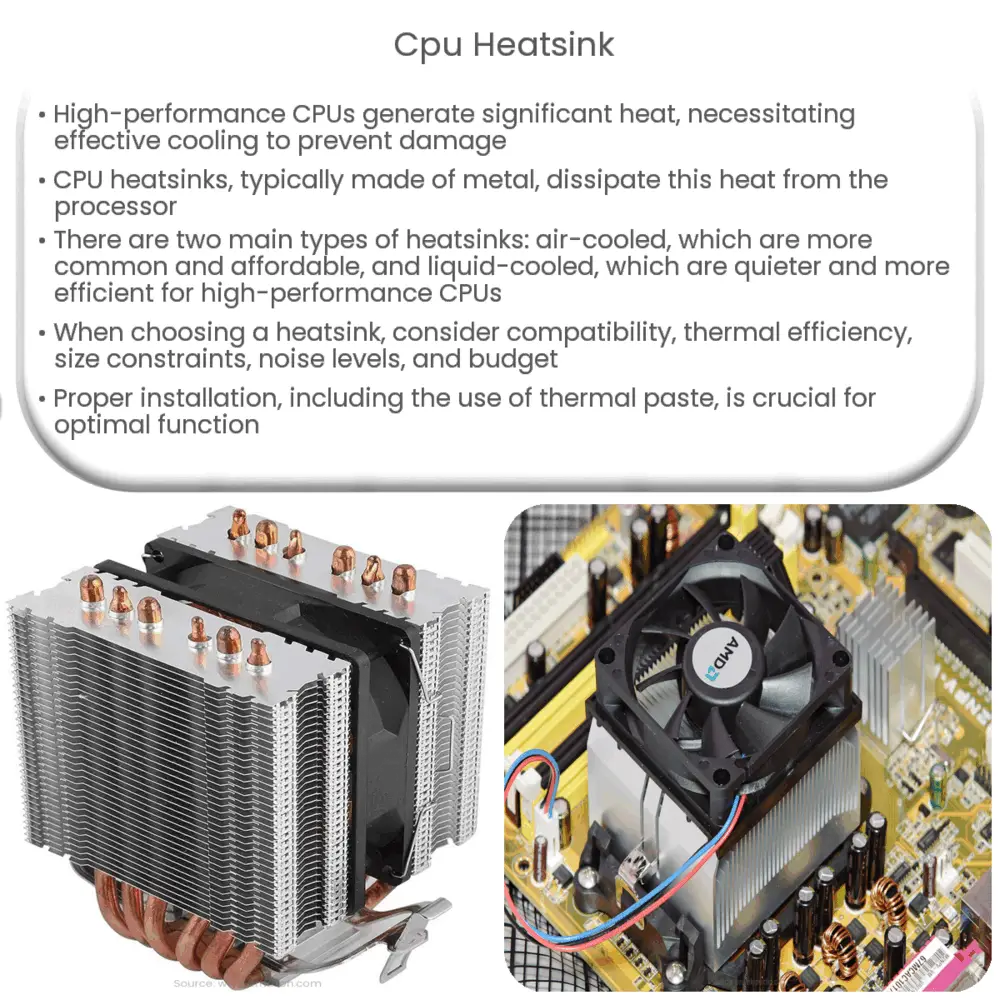
The more surface area a heat sink has, the better it can dissipate heat. That's why you often see heat sinks with complex fin designs or even heat pipes – tiny sealed tubes filled with a liquid that helps transfer heat away from the chip even more efficiently. It’s like a miniature, super-efficient plumbing system for heat!
Why Should You Care?
Okay, so you might be thinking, "That's all very technical, but why should I care?" Well, here's the scoop. A properly functioning heat sink translates to:
- Better Performance: Your computer can run faster and smoother without overheating, especially during demanding tasks like gaming or video editing.
- Increased Lifespan: Keeping your components cool prevents them from frying themselves, extending their lifespan and saving you money in the long run.
- Quieter Operation: When your computer isn't constantly struggling to cool down, the fans don't have to work as hard, resulting in a quieter system. A happy computer is a quiet computer!
Think of it as preventative maintenance. You change the oil in your car to keep the engine running smoothly. The heat sink plays a similar role in your computer.
Keeping Your Cool (Pun Intended!)
While you don't need to become a heat sink expert, it's good to be aware of its importance. Regularly check your computer's temperature (there are plenty of software tools to help with this). If your computer is running hotter than usual or the fan is constantly running at full speed, it might be a sign that your heat sink needs some attention.
Dust is the enemy! Over time, dust can accumulate on the heat sink's fins, reducing its effectiveness. You can carefully clean the heat sink with compressed air (make sure the computer is turned off first!) to keep it working optimally.
In conclusion, the heat sink is a silent, hardworking hero that keeps your computer from melting down. By understanding its role and taking simple steps to maintain it, you can ensure your computer stays cool, happy, and performs at its best for years to come. So next time you're enjoying a smooth gaming session or breezing through a video edit, take a moment to appreciate the unsung hero – the humble heat sink!