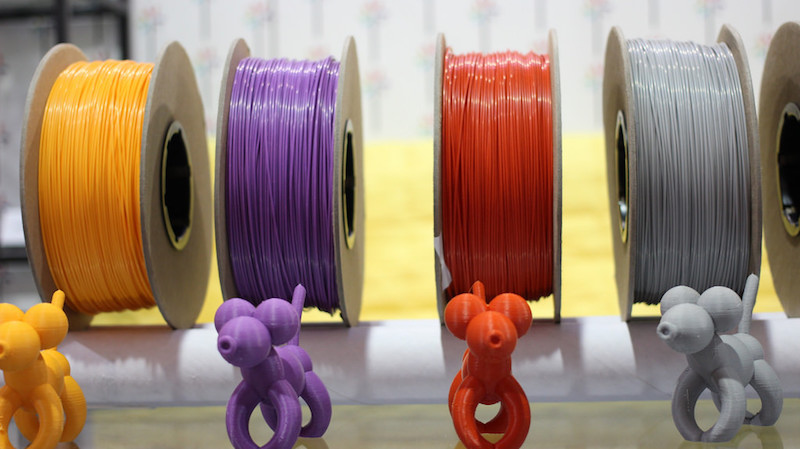
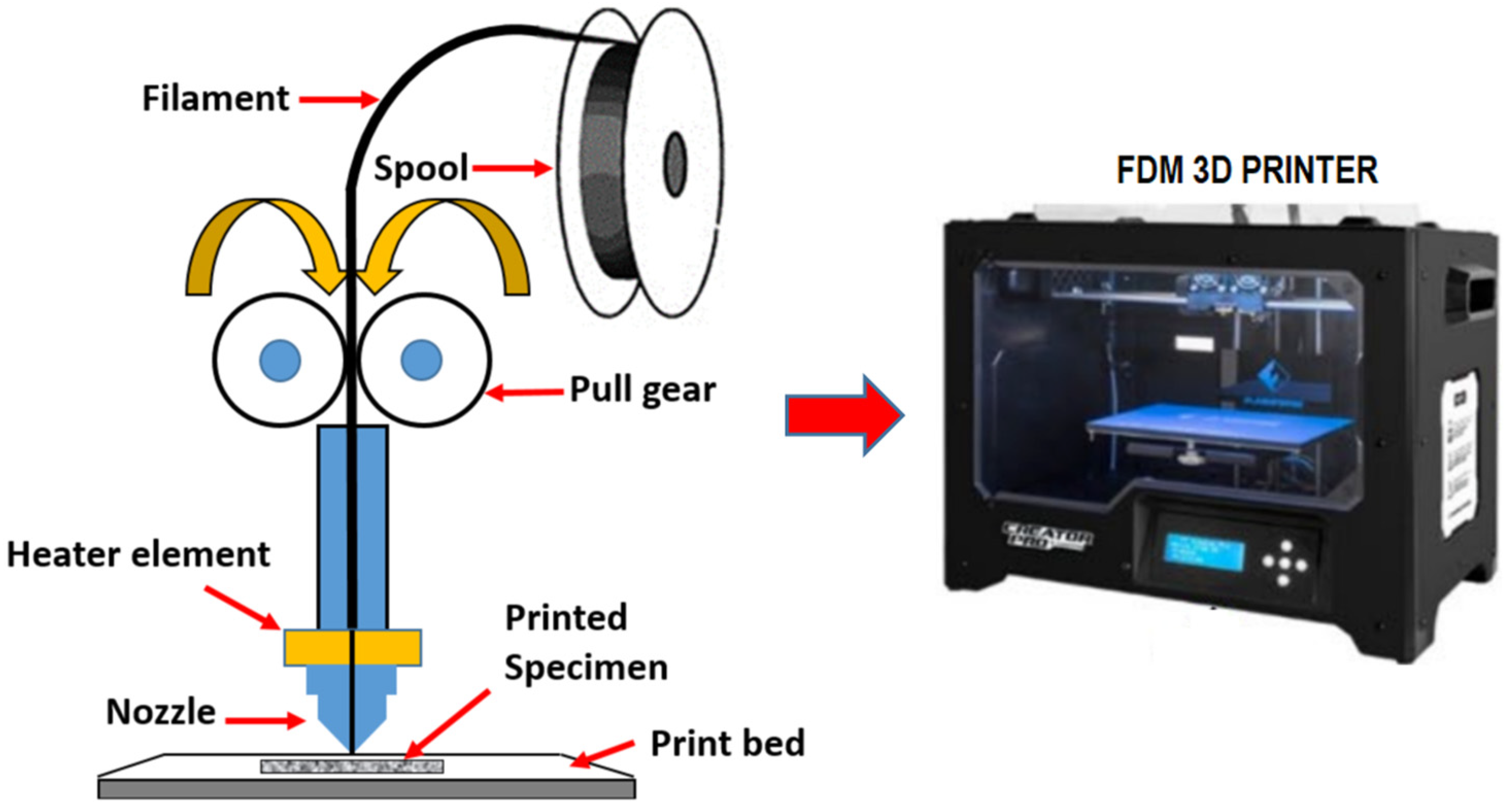
Hey there, fellow maker-curious minds! Ever looked at a 3D printed object and thought, "Wow, that's neat! But… what is that stuff made of?"
Well, you've landed in the right spot! Let's dive into the surprisingly fascinating world of 3D printer filament. Think of it as the artist's paint, the potter's clay, or the sculptor's marble… but in long, colorful strands. Ready to unravel this mystery?
The Usual Suspects: Plastics
Most 3D printing filament is made of, you guessed it, plastic. But not just any plastic. We're talking about specially formulated plastics that melt smoothly, hold their shape, and bond well together when cooled. Think of it like choosing the perfect type of chocolate for a chocolate fountain – you need it to flow nicely and then harden just right.
Let's meet a couple of the biggest players in the 3D printing game:
PLA (Polylactic Acid): This is the beginner-friendly superstar. Made from renewable resources like cornstarch or sugarcane, PLA is biodegradable (under specific industrial conditions, mind you). It's easy to print with, has a relatively low melting point, and comes in a rainbow of colors. It's like the vanilla ice cream of 3D printing – a classic for a reason.
ABS (Acrylonitrile Butadiene Styrene): Ah, ABS. The tough guy of the filament world. It's stronger and more heat-resistant than PLA, making it ideal for parts that need to withstand a bit more wear and tear. Ever built something with LEGO bricks? They're made of ABS! Just a heads up: ABS can be a bit trickier to print with than PLA, requiring a heated bed to prevent warping. Think of it as the dark roast coffee of filaments – a bit more demanding, but delivers a bolder result.
Beyond the Basics: A World of Possibilities
But wait, there's more! The world of 3D printing filament is constantly evolving, and there's a whole universe of other materials to explore.
PETG (Polyethylene Terephthalate Glycol-modified): A happy medium between PLA and ABS. PETG is known for its strength, flexibility, and chemical resistance. Plus, it's food-safe in some cases! It's like the Swiss Army knife of filaments – versatile and reliable.
Nylon: This stuff is seriously strong and flexible. Think gears, hinges, or anything that needs to bend without breaking. But, nylon is hygroscopic, meaning it absorbs moisture from the air. This can mess with your print, so you'll need to store it properly and maybe even dry it out before printing. It’s akin to baking a delicate soufflé – requires precision and care.
TPU/TPE (Thermoplastic Polyurethane/Thermoplastic Elastomer): Want to print something flexible and rubbery? TPU is your friend. Think phone cases, squishy toys, or even flexible robotics components. It's like silly putty you can 3D print!
The Fun Stuff: Composites and Specialty Filaments
Okay, now we're getting to the really cool stuff! We're talking about filaments infused with all sorts of materials to give them unique properties and appearances.
Wood-filled Filament: Yes, you can 3D print with "wood"! These filaments contain tiny wood fibers, giving your prints a wood-like texture and even a subtle woodsy smell. You can even stain or sand them just like real wood. It's like having a mini lumber mill in your printer.
Metal-filled Filament: Want to print something that looks and feels like metal? Metal-filled filaments contain tiny metal particles (like bronze, copper, or even stainless steel). The printed parts can be polished to a shine, giving them a convincing metallic appearance. Think of it as alchemically turning plastic into (almost) gold!
Carbon Fiber-filled Filament: For parts that need to be incredibly strong and lightweight, carbon fiber-filled filament is the answer. It's often used in drone parts, RC cars, and other applications where strength and weight are critical. It’s like giving your prints a superhero upgrade.
Glow-in-the-Dark Filament: Because who doesn't love things that glow in the dark? These filaments contain phosphorescent pigments that absorb light and then slowly release it, creating a spooky glow. Perfect for Halloween decorations or just adding a touch of whimsy to your prints.
So, Why Does It Matter?
Why is knowing what filament is made of so important? Well, for starters, it helps you choose the right material for your project. Are you printing a toy for a child? PLA might be a good choice because it's relatively safe and easy to print with. Are you printing a functional part for your car? ABS or nylon might be better choices because they're stronger and more heat-resistant.
Understanding the properties of different filaments also helps you optimize your printing settings. Each filament has its own ideal temperature range, printing speed, and other settings. By understanding these requirements, you can avoid common printing problems like warping, stringing, and delamination.
Plus, it's just plain interesting! 3D printing is a rapidly evolving technology, and the materials we can print with are constantly expanding. Learning about these materials opens up a world of possibilities for creativity, innovation, and problem-solving.
So, there you have it – a whirlwind tour of the fascinating world of 3D printing filament. Hopefully, this has shed some light on what goes into those amazing 3D printed creations. Now go forth and print something awesome!