Okay, so picture this: I'm in Iceland, right? Land of fire and ice. We're talking glaciers next to active volcanoes. It's insane. And everywhere, *everywhere*, you see these steamy plumes rising from the ground. At first, I thought maybe the entire country was just one giant, slightly damp sauna. Nope. Turns out, most of that steam is powering their whole freaking country. Like, hello, geothermal energy in action! Which got me thinking… what’s the real story here? Is it all rainbows and geothermal unicorns, or is there a catch?
Let's dive into the deep end (pun intended, because, you know, heat from the earth’s core… water… deep… never mind!). We're talking about the environmental impact of geothermal energy. And, spoiler alert, it's mostly good news. But, as always, there are a few things to consider.
The Good Stuff: Geothermal is Pretty Darn Clean
Let’s get the obvious out of the way: geothermal energy is a **renewable resource**. The Earth's core is basically a giant, never-ending furnace. As long as the planet exists (which, let’s be honest, will likely outlive us all), we've got heat to tap into. That's a massive win right there.
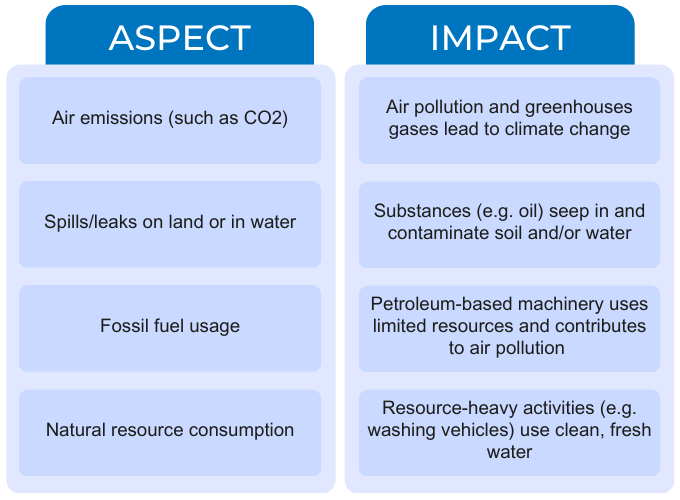
And compared to burning fossil fuels? Forget about it! Geothermal plants produce significantly less greenhouse gas emissions. We're talking a fraction of the carbon dioxide, sulfur dioxide, and nitrogen oxides released by coal or natural gas plants. Less pollution? Yes, please!
Side note: I know what you're thinking: "But *any* emissions are still emissions!" And you're right. Even geothermal isn't perfect. More on that later...
Land Use: A Bit of a Trade-Off
One potential downside is land use. Geothermal plants can require a significant amount of land, especially if you're talking about large-scale operations. You need space for the wells, the power plant itself, and all the associated infrastructure.
That can impact habitats, displace wildlife, and potentially lead to deforestation. Nobody wants that. But, (and this is a big "but"), the land use is still generally lower than, say, massive open-pit coal mines or sprawling solar farms. It’s all about perspective, right?
Water Woes and Other Quirks
Geothermal plants use water, and that can be a point of concern. Sometimes, the water extracted from the earth contains dissolved minerals and gases (like hydrogen sulfide, which smells like rotten eggs – yummy!). This water needs to be carefully managed to prevent contamination of surface and groundwater. Imagine turning your tap and getting a whiff of *that*. Nope!
Seriously though, responsible disposal of geothermal wastewater is crucial. Modern plants often reinject the water back into the ground after extracting the heat, which helps replenish the geothermal reservoir and minimizes environmental impact. It's like recycling, but with hot water from the Earth's guts. Fancy!
Earthquakes? Don't Panic (Usually)
Okay, let's address the elephant in the room: earthquakes. There's been some research suggesting that geothermal activities *can* induce seismic activity. We're not talking about massive, city-leveling earthquakes, but rather small, localized tremors.
This is something that needs to be carefully monitored and managed, especially in areas that are already prone to earthquakes. But the key word here is "induced." It's not like geothermal energy is single-handedly causing the apocalypse. It's more like it *might* nudge things a bit if the conditions are already right for a tremor. Research is ongoing!
The Verdict: Geothermal is a Step in the Right Direction
So, where does that leave us? Geothermal energy isn't perfect, but it's a heck of a lot better than many of our current energy sources. It's renewable, it produces significantly less pollution, and it can provide a stable, reliable source of power. It's not a silver bullet, but it's definitely a valuable tool in our quest for a more sustainable energy future.
And honestly, if Iceland can power a significant portion of its country with geothermal energy, why can't more places? Maybe it's time we all started looking a little deeper... into the Earth, that is! 😉