Hey there, curious minds! Ever wondered what happens when a battery takes an unexpected dip? Like, say, your phone battery gets caught in the rain, or your kid decides the remote needs a bath? It's a pretty common scenario, but have you ever stopped to think about the nitty-gritty of what's actually going on inside? Let's dive in!
The Big Question: What *Actually* Happens?
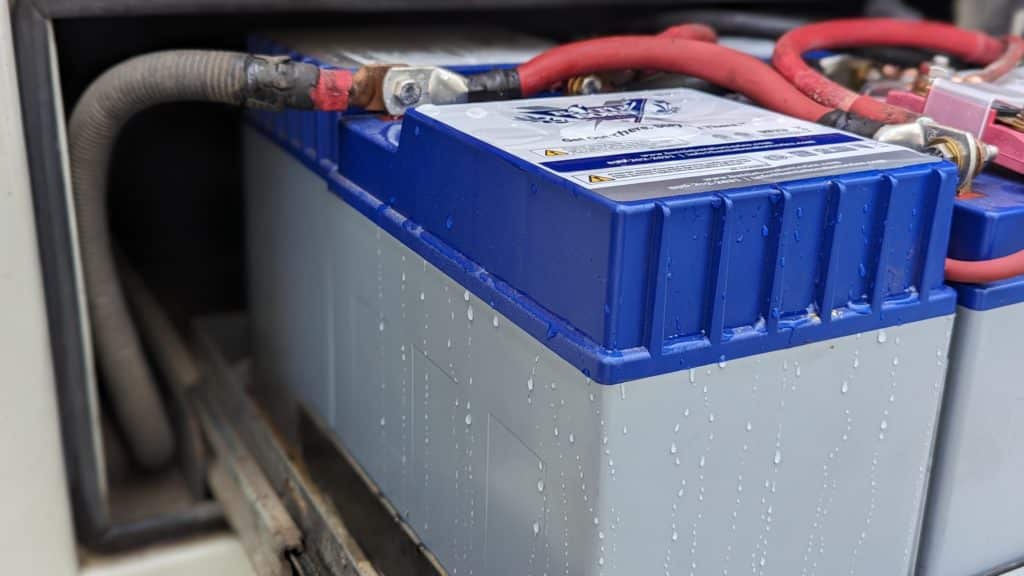
Okay, so you’ve got a battery, and it’s soaking wet. What’s the immediate effect? Well, the first thing to consider is, what kind of battery are we talking about? A tiny watch battery? A hefty car battery? The chemistry inside makes a big difference!
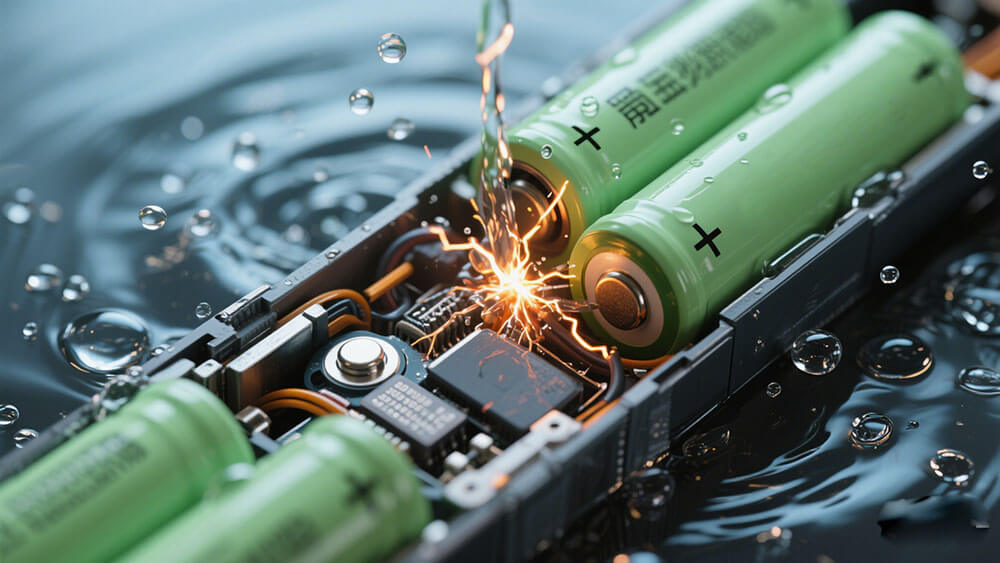
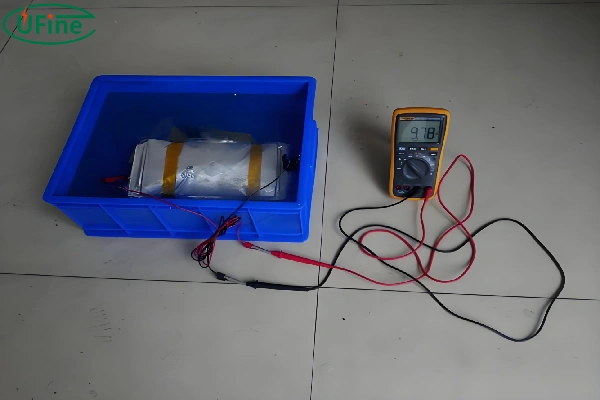
Generally, though, the main concern is short-circuiting. Think of it like this: a battery is designed to send its energy through a specific pathway, powering whatever device it's connected to. Water, especially regular tap water which contains dissolved minerals, is a pretty good conductor of electricity. So, when water gets inside or around the battery, it can create an unintended, shortcut path for the electricity to flow. It’s like creating a rebel route for the electricity, bypassing the intended destination. Suddenly, the electricity just wants to get from one side of the battery to the other, bypassing your device.
This shortcut can lead to a few things: the battery might discharge very quickly, heating up in the process. Or, in more severe cases, it can cause corrosion and even, yes, a fire. Yikes!
Different Batteries, Different Drama
Now, let’s get a little more specific. What about those common household batteries, the AA and AAA types? These are usually alkaline batteries. When they get wet, you're most likely to see corrosion. The water reacts with the battery's components, creating a white, powdery substance that we call, you guessed it, battery corrosion. This corrosion can damage your devices and even release nasty chemicals. Ever opened a device and found that gunky white stuff clinging to the battery compartment? That's battery leakage/corrosion in action!
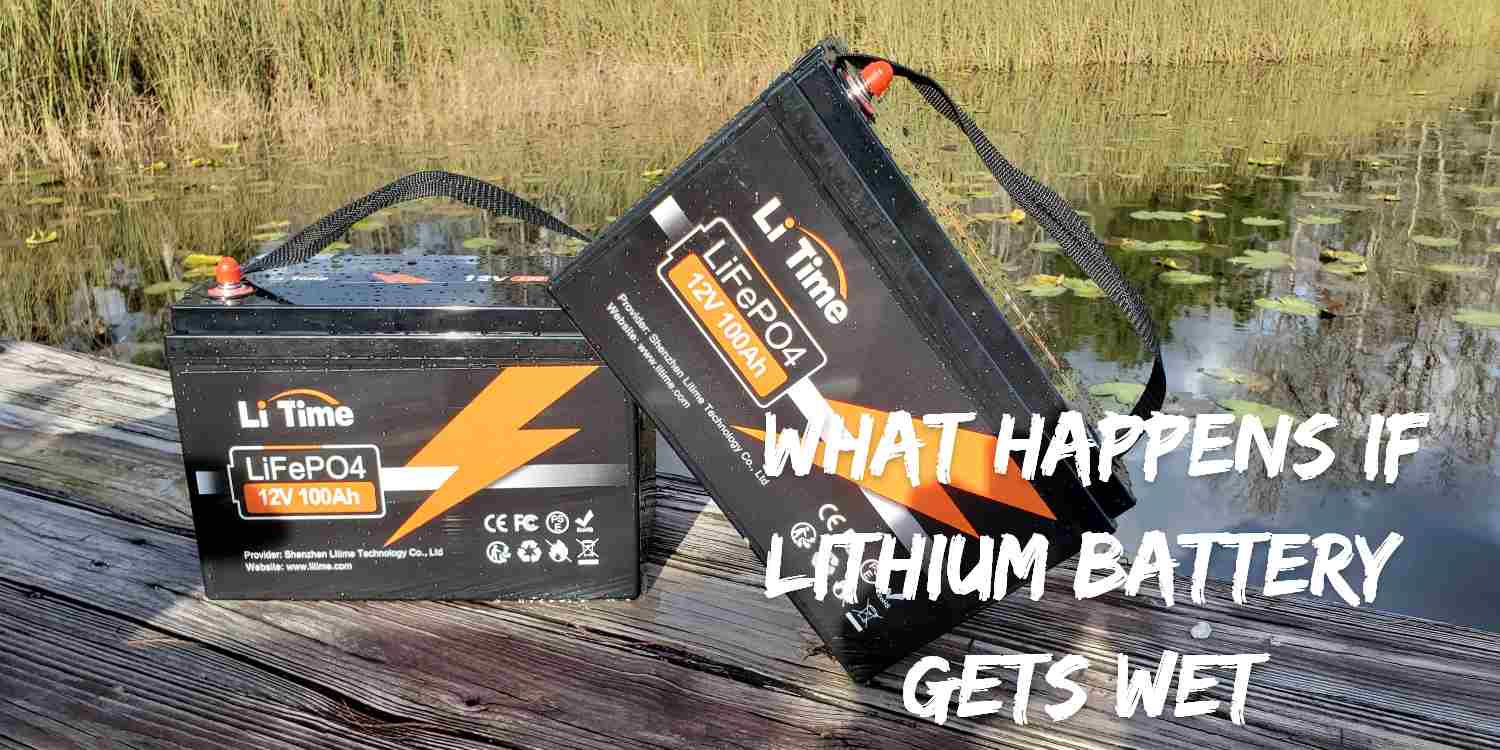
And what about lithium-ion batteries, the kind in your smartphones and laptops? These are a bit trickier. Lithium reacts *very* vigorously with water. So, if water gets *inside* a damaged lithium-ion battery, things can get… exciting. We’re talking heat, smoke, and potentially even flames. This is why it's super important to treat damaged lithium-ion batteries with extreme caution! Think of it like mixing Mentos and Diet Coke – but with electricity and fire involved. Not a fun experiment.
The Corrosion Conundrum
Corrosion is a battery’s worst enemy when exposed to water. Why? Well, it’s all about chemistry. The moisture acts as a catalyst, speeding up the breakdown of the metallic components inside the battery. This breakdown releases gases and corrosive substances that eat away at the battery's casing and surrounding electronics. It's like a slow-motion monster movie playing out inside your gadget!
The corrosion isn’t just unsightly; it can also render your device useless. It interferes with electrical connections, prevents proper power flow, and can even cause permanent damage to sensitive components. So, prevention is definitely key here.
Safety First! What To Do If Disaster Strikes
So, you’ve got a wet battery situation on your hands. What’s the plan of action? First and foremost, safety first! Don’t touch a corroded or damaged battery with your bare hands. Use gloves.
If the battery is in a device, remove it carefully, if possible. Clean up any corrosion with a brush or cotton swab dipped in vinegar or lemon juice (these are mild acids that can neutralize the alkaline corrosion). Make sure everything is completely dry before attempting to use the device again. And if you’re dealing with a damaged lithium-ion battery – think swelling, smoke, or hissing – get it to a professional immediately. These batteries are best handled by experts who know how to safely dispose of them.
Can You Save a Wet Battery?
That’s the million-dollar question, isn’t it? Honestly, probably not. Once a battery has been significantly wet, its lifespan is likely shortened. The internal damage might not be immediately obvious, but it's there. It's like trying to un-bake a cake – you can't really put it back to its original state.
The best approach is to replace the battery and take preventative measures to keep your batteries dry in the future. Think sealed battery compartments and maybe a little extra caution around water. After all, a little prevention goes a long way in the world of electronics. So, stay dry, stay safe, and keep those batteries happy!