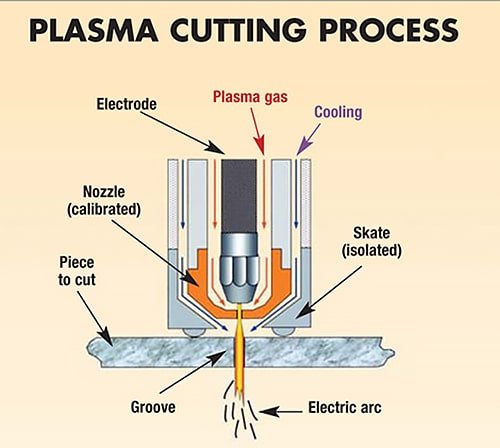
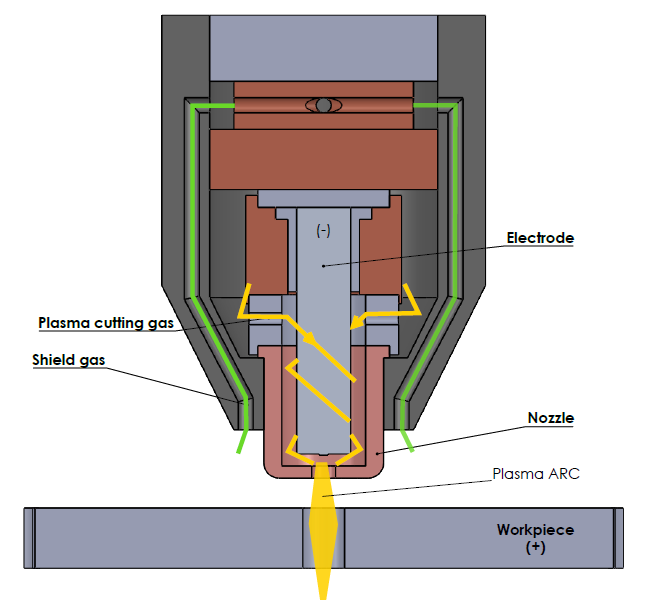
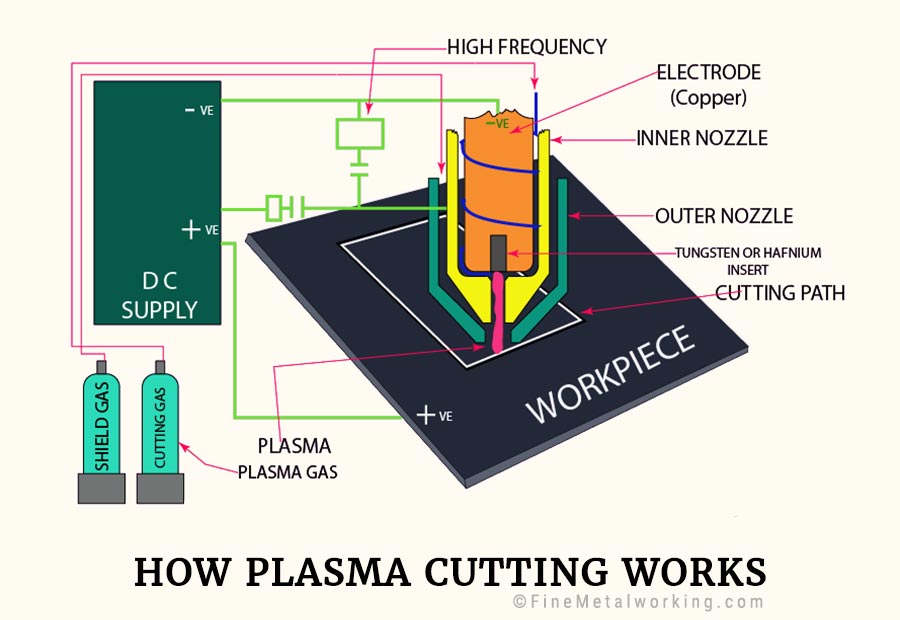
Plasma cutting – it sounds like something straight out of a sci-fi movie, right? But it's actually a super practical and surprisingly accessible tool for anyone working with metal. And one of the coolest things about it is the gas it uses to do its magic. It's not just "air," though sometimes it *is* just air! Understanding the gas is key to getting clean, efficient cuts, and it’s a topic that's both fascinating and genuinely useful whether you're a complete beginner or a seasoned metalworker.
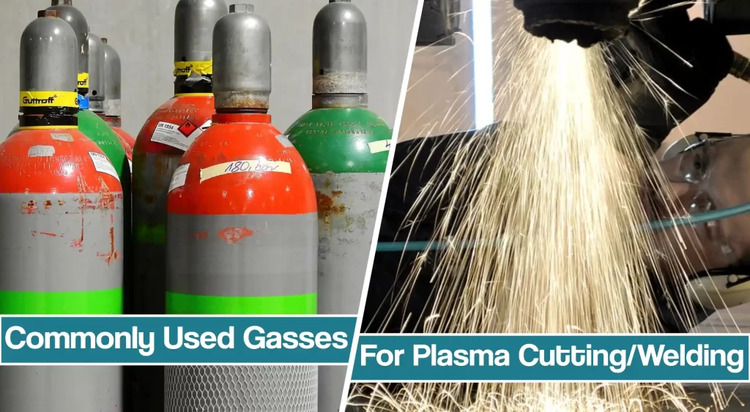
So, what *gas* are we talking about? The most common options are compressed air, nitrogen, argon, and oxygen, or mixtures of these. Each gas has its own unique properties that make it suitable for different materials and applications. Think of it like choosing the right ingredient for a recipe – you wouldn't use baking soda in lemonade, would you?
For beginners, especially those dabbling in smaller projects or just getting a feel for plasma cutting, compressed air is often the easiest and most affordable choice. Almost everyone has access to an air compressor, and it works surprisingly well for cutting mild steel. It's a great way to learn the basics without a huge investment. Families who are into DIY projects around the house, like building a metal gate or repairing lawn furniture, might find compressed air plasma cutters ideal for their versatility and ease of use.
Now, let's say you're a serious hobbyist or working with different types of metal. That's where things get interesting. Nitrogen is excellent for cutting aluminum and stainless steel, producing clean cuts with minimal dross (that's the messy stuff left behind after cutting). Argon, often mixed with other gases like hydrogen, is used in specialized applications like cutting very thick materials or achieving exceptionally smooth edges.
And then there's oxygen. Oxygen is typically used with specific plasma cutting machines designed for it. It offers very fast cutting speeds on mild steel but can also lead to more oxidation, so it's important to know what you're doing.
Practical Tips for Getting Started:
- Read the manual! Seriously, your plasma cutter's manual will tell you exactly what gases are compatible and recommended.
- Start with compressed air (if your machine allows). It's the easiest way to learn.
- Invest in a good air compressor with a built-in filter to remove moisture and oil. This is crucial for clean cuts and longer machine life.
- Experiment! Once you're comfortable, try different gas mixtures to see what works best for your specific projects.
Think of learning about plasma cutting gases as unlocking a new level of metalworking skill. Understanding the different options and their benefits allows you to achieve better results, tackle more complex projects, and ultimately, enjoy the process even more. It might seem intimidating at first, but with a little research and experimentation, you'll be zapping through metal like a pro in no time! Remember safety first! Always wear appropriate protective gear.