
Hey there, future plastic expert! Ever wonder what that funky fork, your phone case, or even your favorite water bottle is actually made of? Like, down to the nitty-gritty? Let's spill the beans (or, you know, the monomers) over a virtual coffee, shall we?
Okay, so the short answer? It's complicated. Plastic isn't a single element, like gold or hydrogen. It's more like a super-cool LEGO creation built from…well, a whole bunch of different chemical bricks.
The Big Players: Carbon, Hydrogen, and Sometimes Friends!
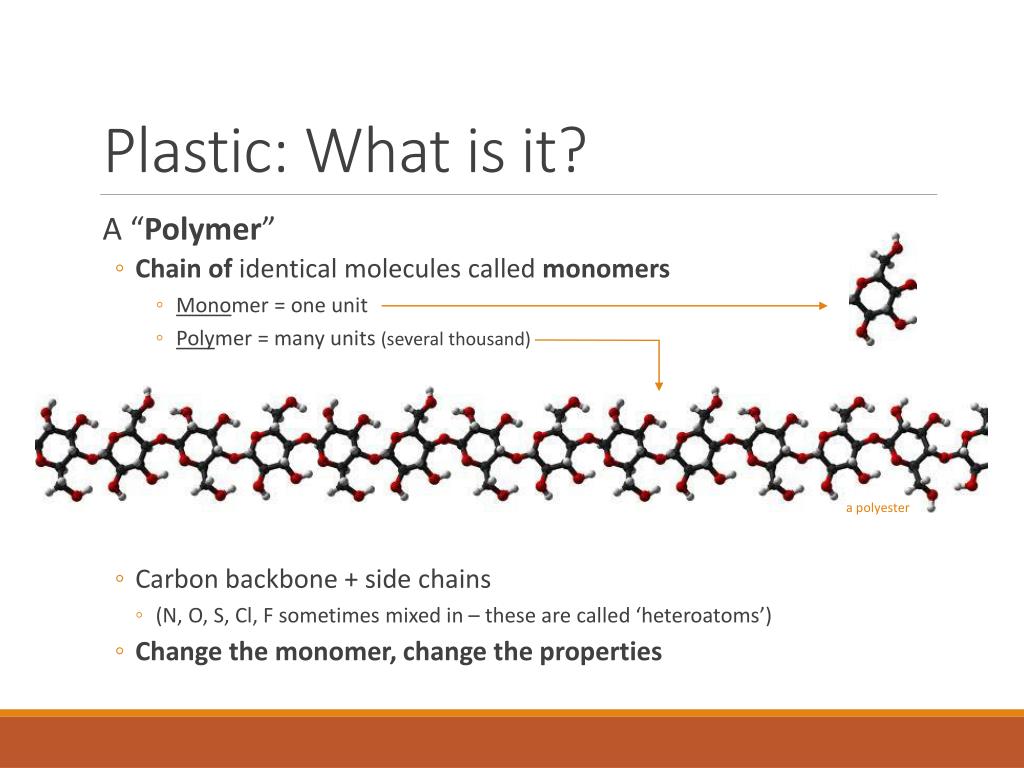
The real stars of the plastic show are carbon and hydrogen. Think of them as the peanut butter and jelly of the polymer world. Most plastics are built on a backbone of carbon atoms, all linked together in long chains. These chains are then decorated with hydrogen atoms. It’s like a carbon spine wearing a hydrogen suit. Fashionable, right?
Why carbon? Well, carbon is super friendly and loves to form bonds with, like, everyone. It can link up with four other atoms, making it perfect for creating those long, complex polymer chains. It's the ultimate social butterfly of the periodic table.
Now, sometimes, other elements crash the party! We’re talking about things like oxygen, nitrogen, chlorine, and even sulfur. These elements can be added to the carbon-hydrogen backbone to give the plastic different properties. For example, adding chlorine can make a plastic more fire-resistant. Pretty neat, huh?
So, it’s basically a chemical cocktail. A carefully concocted blend of elements designed to create the perfect material for, well, pretty much anything!
Where Do These Elements Come From? (Spoiler: It's Mostly Oil!)
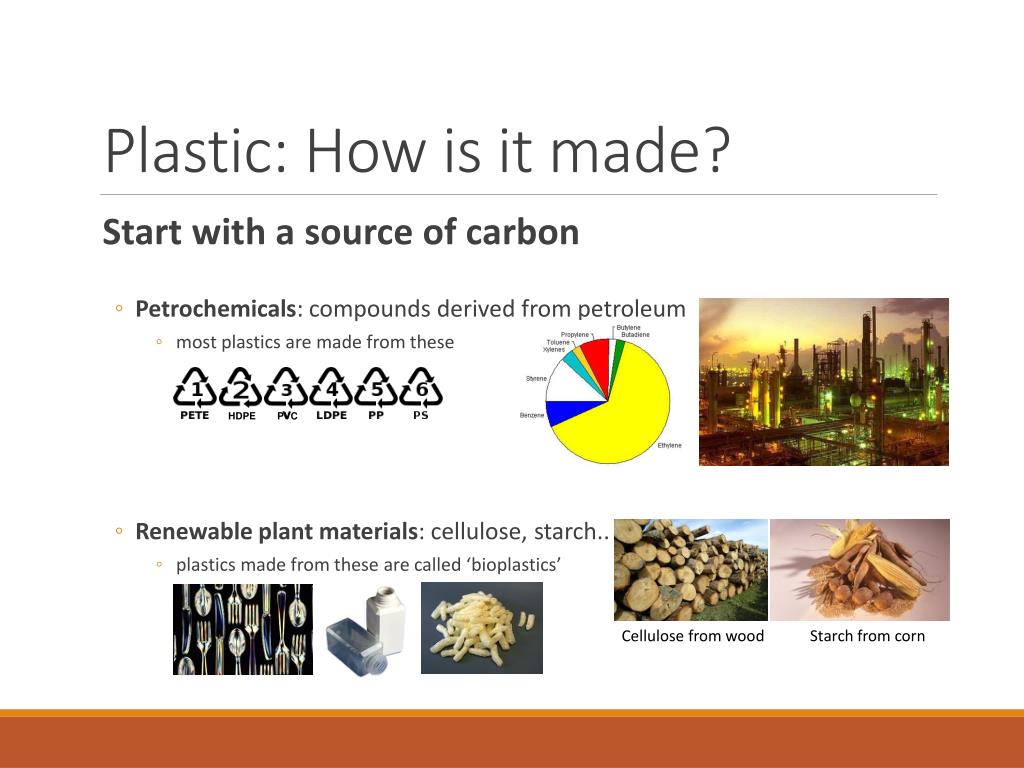
Here's where things get a little…earthy. Most plastics are currently made from petroleum, which is basically fancy dead dinosaurs and plants that have been squished and cooked for millions of years. I know, sounds appetizing, right? But don't worry, they clean it up a bit before making your lunchbox!
Petroleum is a complex mixture of hydrocarbons (that's carbon and hydrogen!), and scientists can crack and refine it to get the specific building blocks they need for different types of plastic. It’s like breaking down a giant puzzle into its individual pieces.
But hold on! There's good news! The future of plastic is getting greener! Scientists are working hard on making plastics from renewable resources, like corn starch, sugar cane, and even algae. Imagine, your plastic bag made from seaweed! Whoa!
Different Plastics, Different Recipes
Not all plastics are created equal. (Thank goodness, or we’d be eating our soup with a credit card!) Different types of plastic have different chemical structures, which give them different properties. Think about it: a flimsy plastic bag feels very different from a sturdy plastic chair, right?
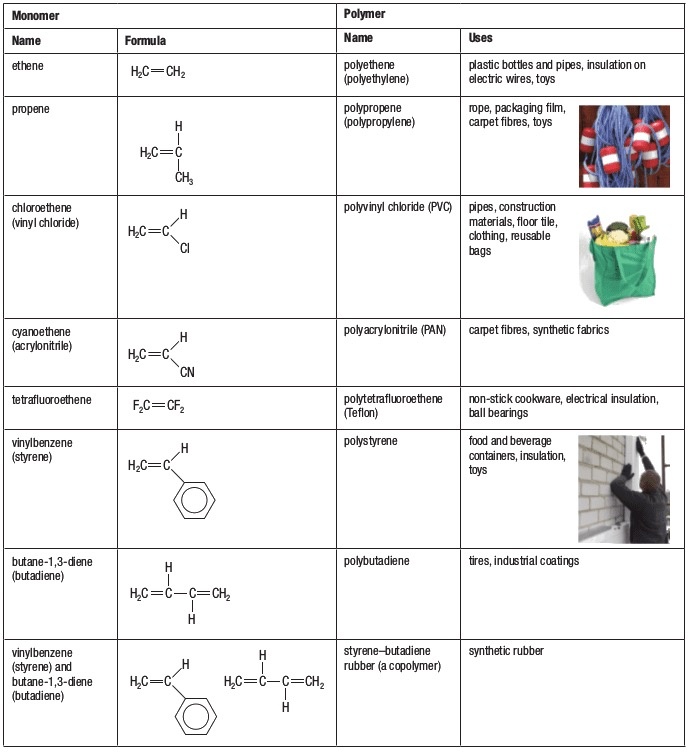
For example, polyethylene (PE), used in plastic bags and films, is a simple polymer made from just carbon and hydrogen. It’s flexible and cheap to produce. On the other hand, polyvinyl chloride (PVC), used in pipes and window frames, contains chlorine, making it more rigid and durable. See? It all comes down to the ingredients!
And then there's polyethylene terephthalate (PET), the stuff your water bottles are made of. It's strong, transparent, and recyclable (yay!). Basically, each type of plastic is a custom-designed material with its own special recipe.
So, next time you pick up a plastic item, take a moment to appreciate the amazing chemistry that went into creating it. It’s not just a piece of plastic; it’s a carefully crafted blend of elements, a triumph of science, and, hopefully, increasingly sustainable.
Now, who's up for another cup of coffee? (Served in a reusable mug, of course!)

.jpg)