Hey there, friend! Ever wondered what that super-useful, sometimes-annoying stuff called plastic is *actually* made of? Like, down to its very essence? Well, grab a comfy chair and maybe a snack, 'cause we're about to dive in!
It's All About Carbon!
Okay, so here's the big reveal: The *star* of the show, the *main ingredient*, the one element that makes plastic... well, plastic-y... is carbon! Yeah, that same stuff that diamonds are made of. (Though, sadly, your plastic fork isn't going to turn into a sparkly gem anytime soon. Sorry!)
Think of carbon as the ultimate connector, the Lego brick of the element world. It's got this amazing ability to form long, strong chains with itself and other elements. That's why it's the backbone of so many things, from your DNA to, you guessed it, plastic.
Where Does This Carbon Come From?
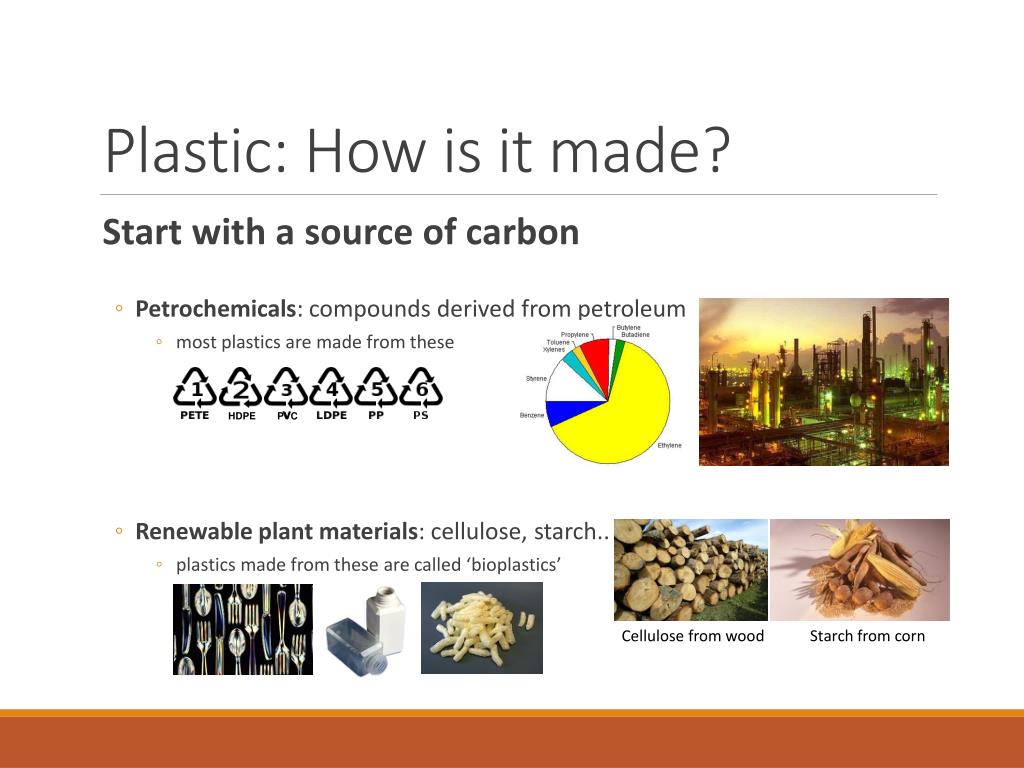
Now, you might be thinking, "Wait a minute, where do we get all this carbon to make plastic?" And that's a *fantastic* question! Most plastics are made from fossil fuels – things like oil and natural gas.
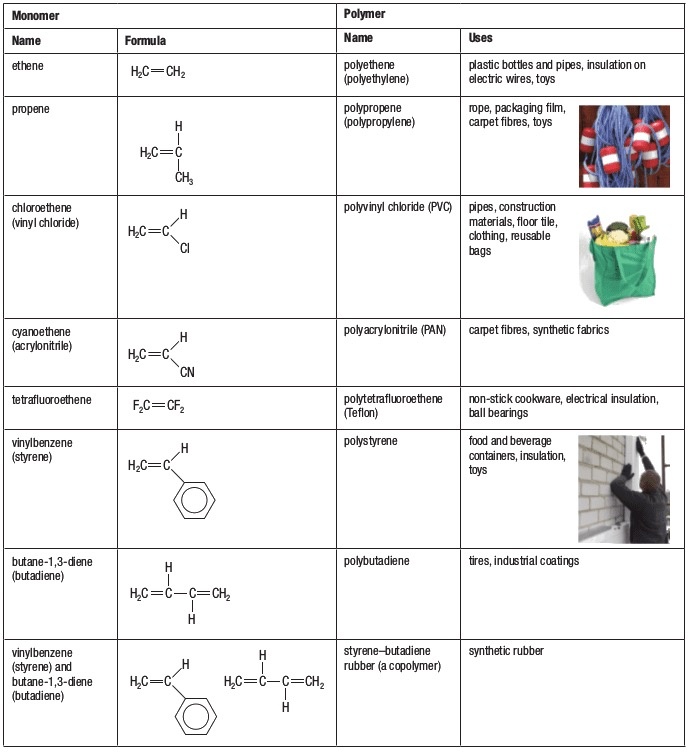
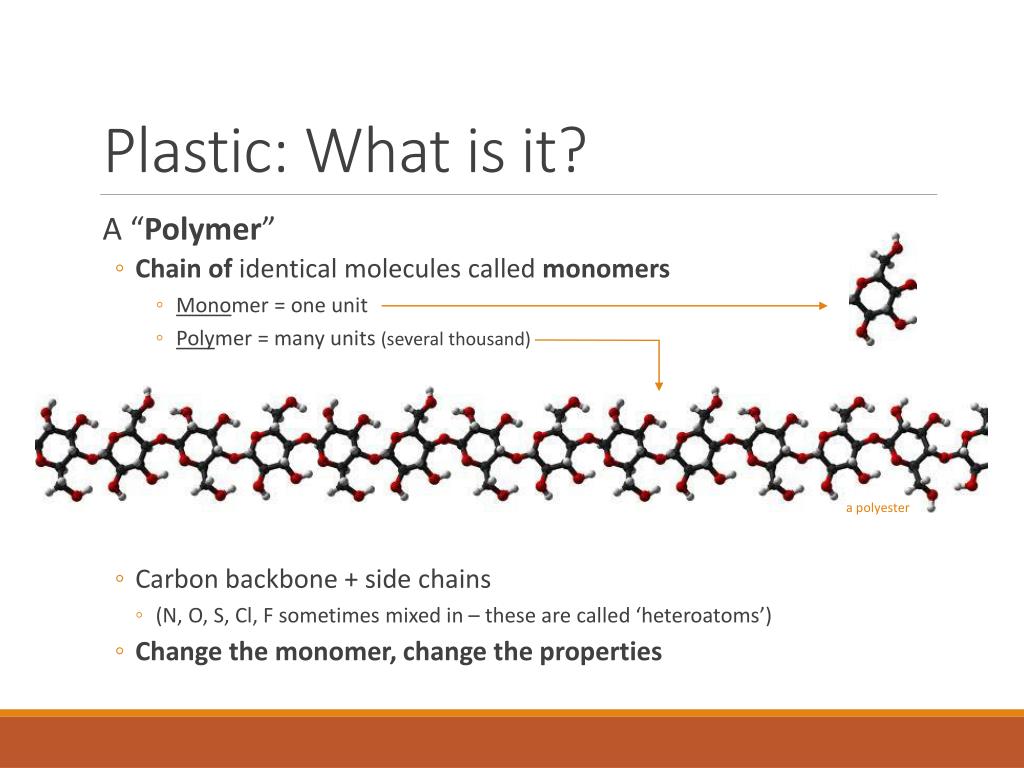
Basically, these fossil fuels are ancient, decomposed organic matter (plants and animals that lived millions of years ago) that have been squished and heated underground for eons. That process concentrates the carbon. Then, clever scientists and engineers break down those fossil fuels into smaller molecules, called monomers, which contain that sweet, sweet carbon.
Think of it like this: You've got a bunch of individual beads (monomers) that you're going to string together to make a necklace (plastic).
Monomers and Polymers: The Plastic Power Couple
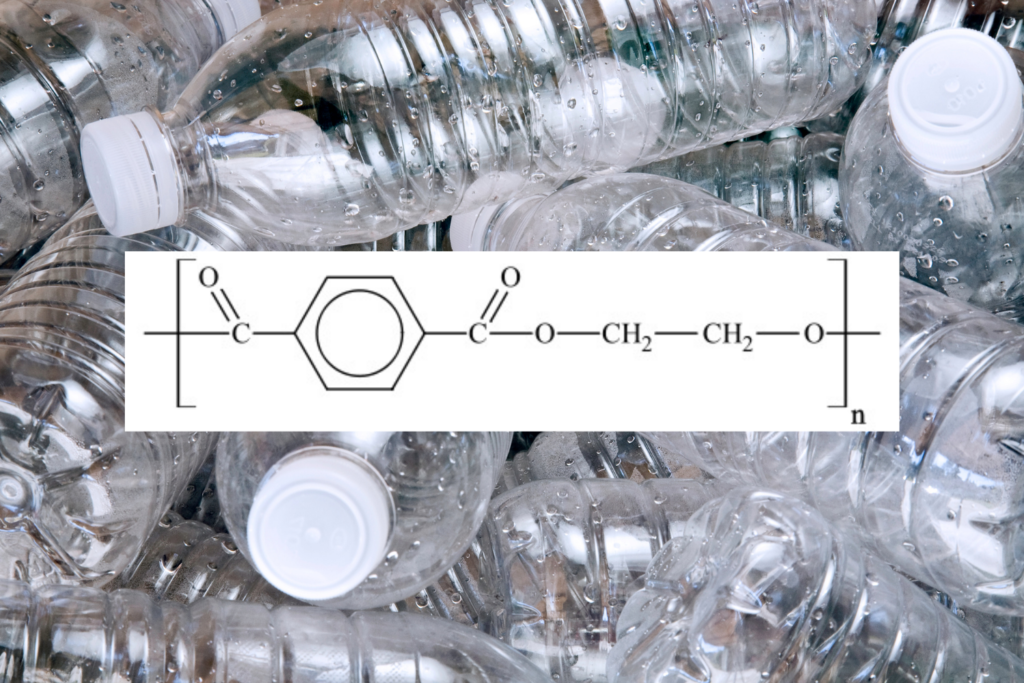
So, these monomers are the building blocks, but they're not quite plastic yet. To turn them into plastic, we need to link them together into long chains called polymers. And that, my friend, is where the magic happens! (Or, well, the chemistry happens. Same difference, right?)
These long polymer chains are what give plastic its strength, flexibility, and all those other properties we associate with it. Depending on the type of monomer used and how they're linked together, you can create all sorts of different plastics – from the flimsy plastic wrap you use for leftovers to the super-tough plastic in your car's dashboard.
It's like cooking! You can use the same basic ingredients (flour, eggs, milk) and make all kinds of dishes – pancakes, cakes, cookies. The *ratio* and the cooking *process* makes all the difference.
Beyond Carbon: The Supporting Cast
While carbon is the undisputed star of the show, plastic also often contains other elements to give it specific properties. These might include:
- Hydrogen: Very common, often pairs with carbon.
- Oxygen: Found in many plastics, affects things like degradation.
- Nitrogen: Can add strength and flexibility.
- Chlorine: Found in PVC, makes it tough and durable.
Think of these other elements as the supporting actors in the plastic movie. They help the carbon shine and bring the whole performance together.
The Future of Plastic (and Carbon!)
Now, you might be wondering about the environmental impact of using fossil fuels to make plastic. And that's a *very* important question! Luckily, scientists and engineers are working hard to develop new ways to make plastic from more sustainable sources, like plants and algae.
Imagine: plastic made from sugarcane, or even from seaweed! That's the *future*, my friend, and it's looking pretty bright. So, even though plastic has its downsides, remember that it's also a testament to human ingenuity and our ability to manipulate the elements around us. And at its heart, it's all thanks to that amazing element: carbon!
Isn't that just… wow? From crude oil to a shiny phone case, and it all starts with the humble carbon atom. Go forth and impress your friends with your newfound plastic knowledge!