Okay, so picture this: my buddy, let’s call him Sparky (because, duh, welding), thought he was invincible. He’d been laying down beads like a seasoned pro for years, scoffing at safety gear. Sunglasses were his PPE of choice. Then one day, he comes in squinting like a mole, complaining about his eyes feeling like they'd been deep-fried in sandpaper. Turns out, he’d given himself a healthy dose of arc eye. It wasn't pretty, and it got me thinking...
What *actually* happens to your body when you’re welding? I mean, beyond the occasional singed eyebrow (we've all been there, right?). Turns out, it's a bit more complex than just sparks and hot metal.
The Eye Situation: More Than Just a Squint
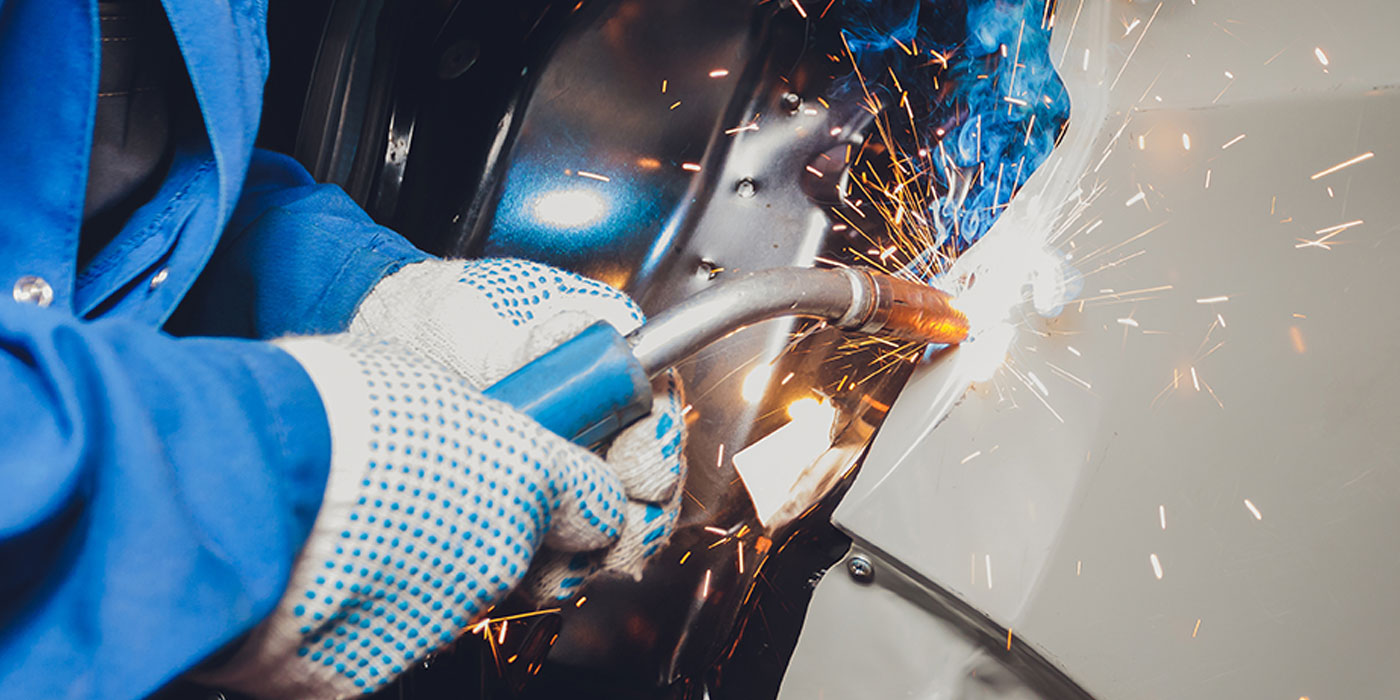
Let's start with the peepers, because Sparky's experience was a real eye-opener (pun intended, obviously). Welding emits intense ultraviolet (UV) radiation, infrared (IR) radiation, and blue light. Think of it as the sun on steroids, concentrated into a tiny arc. Your eyes? They're not exactly designed to handle that kind of firepower.
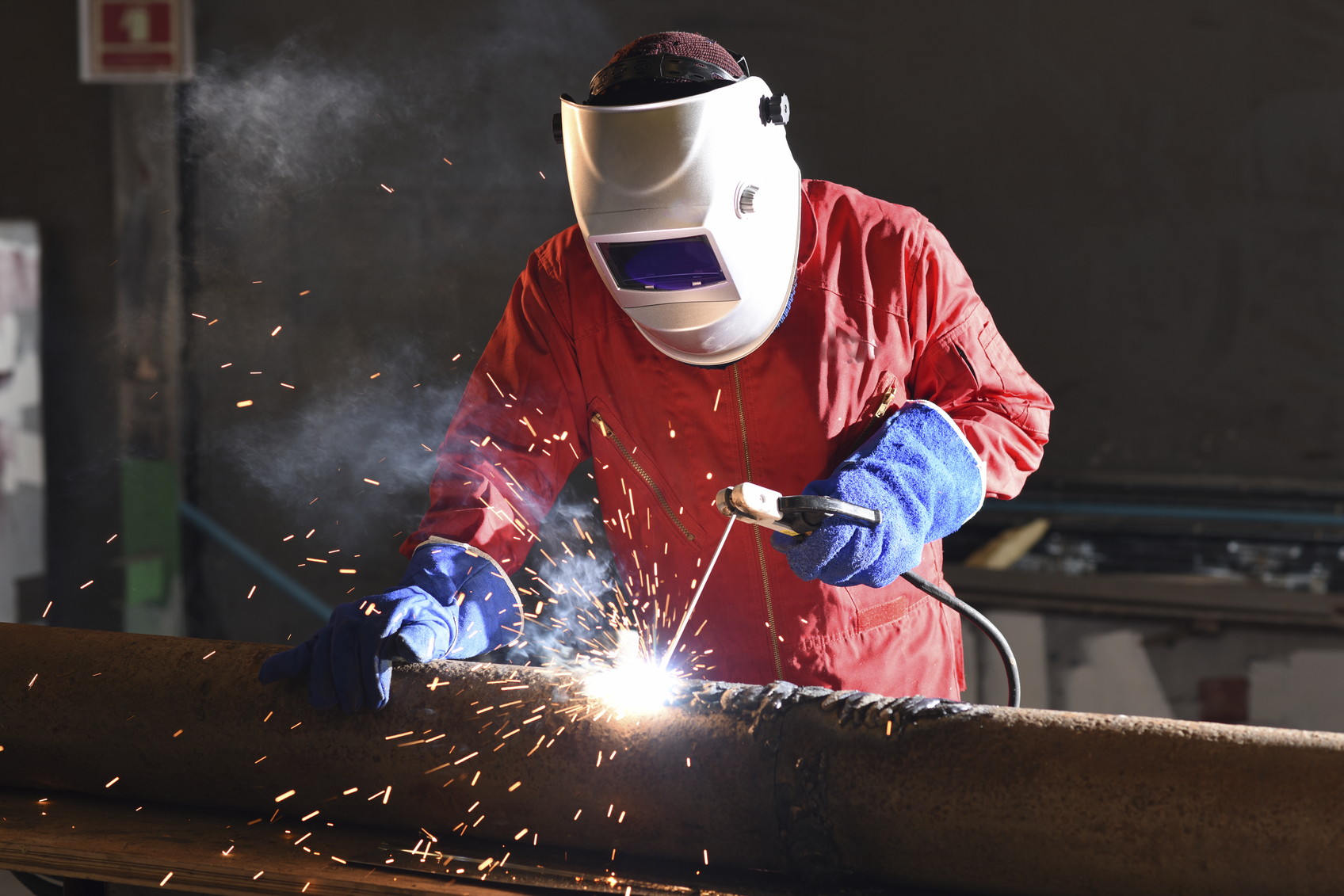
Arc eye, or welder's flash, is essentially a sunburn on your cornea. Imagine that! It's incredibly painful, causes blurry vision, and makes you super sensitive to light. The good news? It's usually temporary. The bad news? It's completely avoidable with proper eye protection. Get yourself a decent welding helmet with the right shade lens – your future self will thank you.
But wait, there's more! Long-term exposure to UV radiation can also increase your risk of cataracts and other eye damage. So really, there's no excuse to skimp on eye protection. Seriously, people, it's your vision we're talking about!
Breathing in the Bad Stuff: Lungs Don't Like It
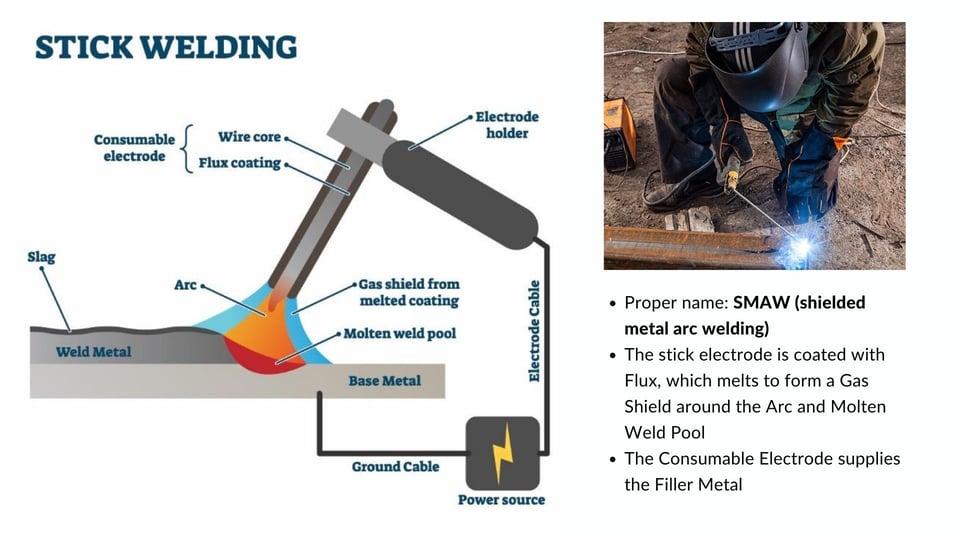
Welding fumes. Oh, the fumes! They're a cocktail of metallic oxides, silicates, and other delightful (not!) particles that get released when the welding electrode and base metal melt. And guess where those particles end up? Ding ding ding! Your lungs!
Short-term exposure can cause metal fume fever, a flu-like illness with symptoms like chills, fever, muscle aches, and nausea. Think of it as your body throwing a mini-tantrum because you're filling it with metal dust. Not cool.
But the real concerns are the long-term effects. Prolonged exposure to welding fumes can lead to chronic respiratory problems like bronchitis, asthma, and even lung cancer. Yes, you read that right. Lung cancer. So, that respirator mask isn't just for show. It's a vital piece of equipment that protects your lungs from some seriously nasty stuff.
Side note: Always check the Material Safety Data Sheet (MSDS) for the metals you're welding. It'll tell you exactly what kind of fumes you're dealing with and what precautions to take. Knowledge is power, my friends!
Skin Deep: Burns, Rashes, and More
Okay, burns are probably the most obvious hazard. Hot metal + exposed skin = ow! But it's not just the direct contact with hot stuff you need to worry about. Remember that UV radiation we talked about earlier? It can also burn your skin, even through thin clothing. Think of it as a really intense sunburn, but with the added bonus of potential welding arcs scarring you.
Some people also develop allergic reactions to certain metals or chemicals in welding rods and fluxes. This can lead to skin rashes, itching, and other unpleasantness. So, if you notice your skin getting irritated after welding, talk to your doctor. You might need to switch to different materials or use barrier creams to protect your skin.
The Musculoskeletal System: It Takes a Toll
Welding often involves awkward positions, repetitive motions, and heavy lifting. Over time, this can put a strain on your muscles, joints, and bones. Back pain, carpal tunnel syndrome, and tendonitis are all common complaints among welders.
Good ergonomics are key to preventing these problems. Make sure your workstation is set up properly, take frequent breaks to stretch and move around, and use proper lifting techniques when handling heavy materials. Your body will thank you for it in the long run. And hey, maybe throw in some regular exercise and stretching on your off days. Your body isn’t getting any younger, you know?
The Good News? It's Manageable!
Okay, so it sounds like welding is a one-way ticket to health disaster, right? Not necessarily! With proper precautions and a healthy dose of common sense, you can minimize the risks and enjoy a long and productive career.
Prioritize safety. Always wear appropriate PPE, including a welding helmet, gloves, a respirator, and protective clothing. Ventilate your workspace. Make sure there's plenty of fresh air circulating to remove fumes and dust. Practice good ergonomics. Set up your workstation to minimize strain on your body. Get regular checkups. Talk to your doctor about the potential health risks of welding and get regular medical exams to monitor your health.
Welding is a skilled and rewarding trade. Just remember to respect the hazards and take steps to protect yourself. Your body is your most valuable tool, so treat it right!