Let's be honest, mold isn't exactly a party topic. But understanding what mold on metal looks like can save you a whole lot of headaches (and potentially, a lot of money!). Think of it as a detective skill – you're learning to spot the subtle clues that indicate a problem brewing. Why is this fun? Because you're becoming more observant, more resourceful, and ultimately, more in control of your environment. Plus, preventing mold growth is *way* more enjoyable than dealing with it!
So, what's the point of all this mold-spotting knowledge? Simple: to protect your stuff! Mold thrives in damp, dark places and can attack various surfaces, including metal. While metal itself isn't a food source for mold, the grime, dust, and organic matter *on* the metal certainly are. Identifying mold early allows you to take action before it causes serious damage, whether it's rust, corrosion, or even health concerns.
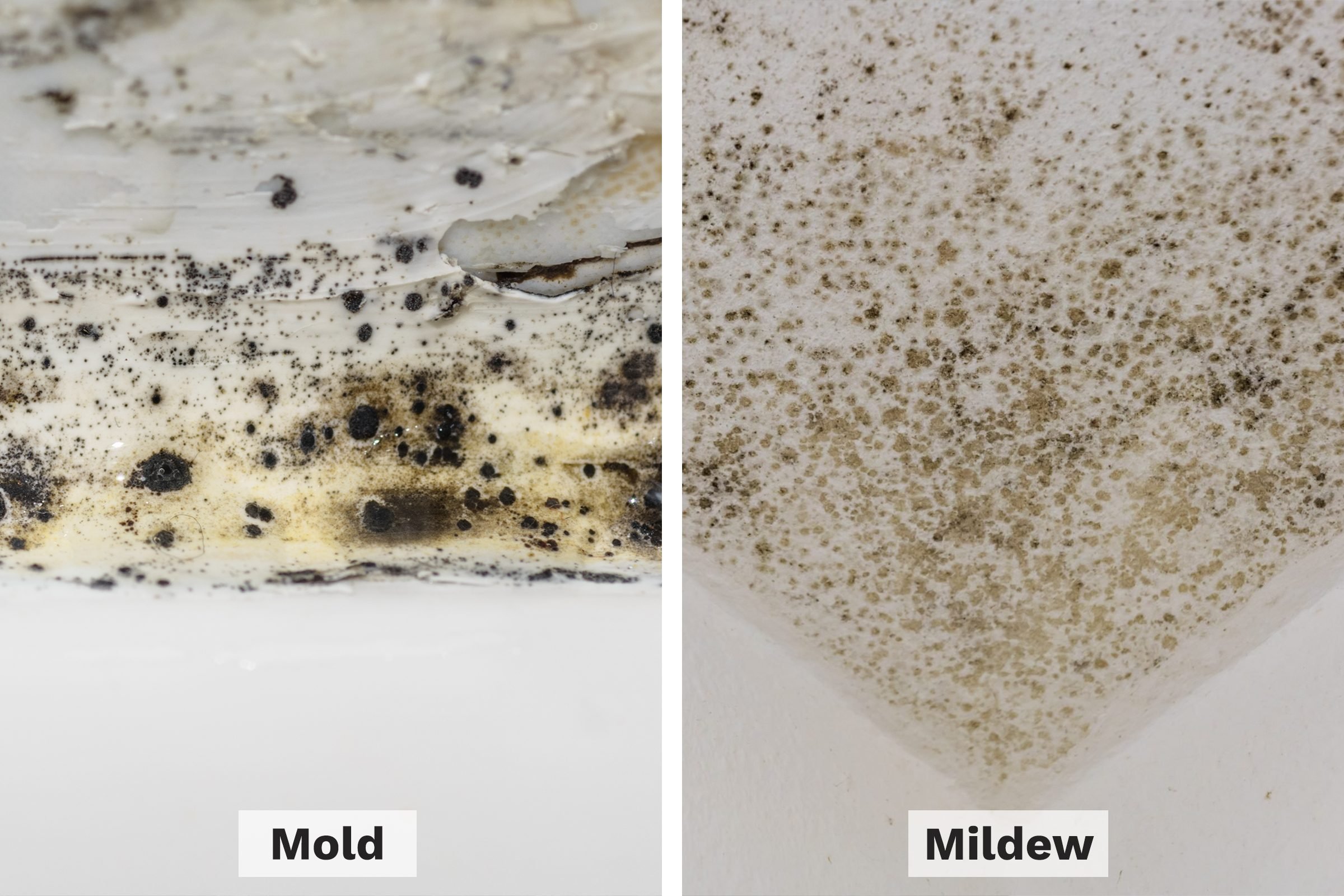
Okay, detective hat on! What does mold on metal actually *look* like? Unlike the fuzzy green or black patches you might find on bread, mold on metal often presents itself in more subtle ways. Here's what to watch for:
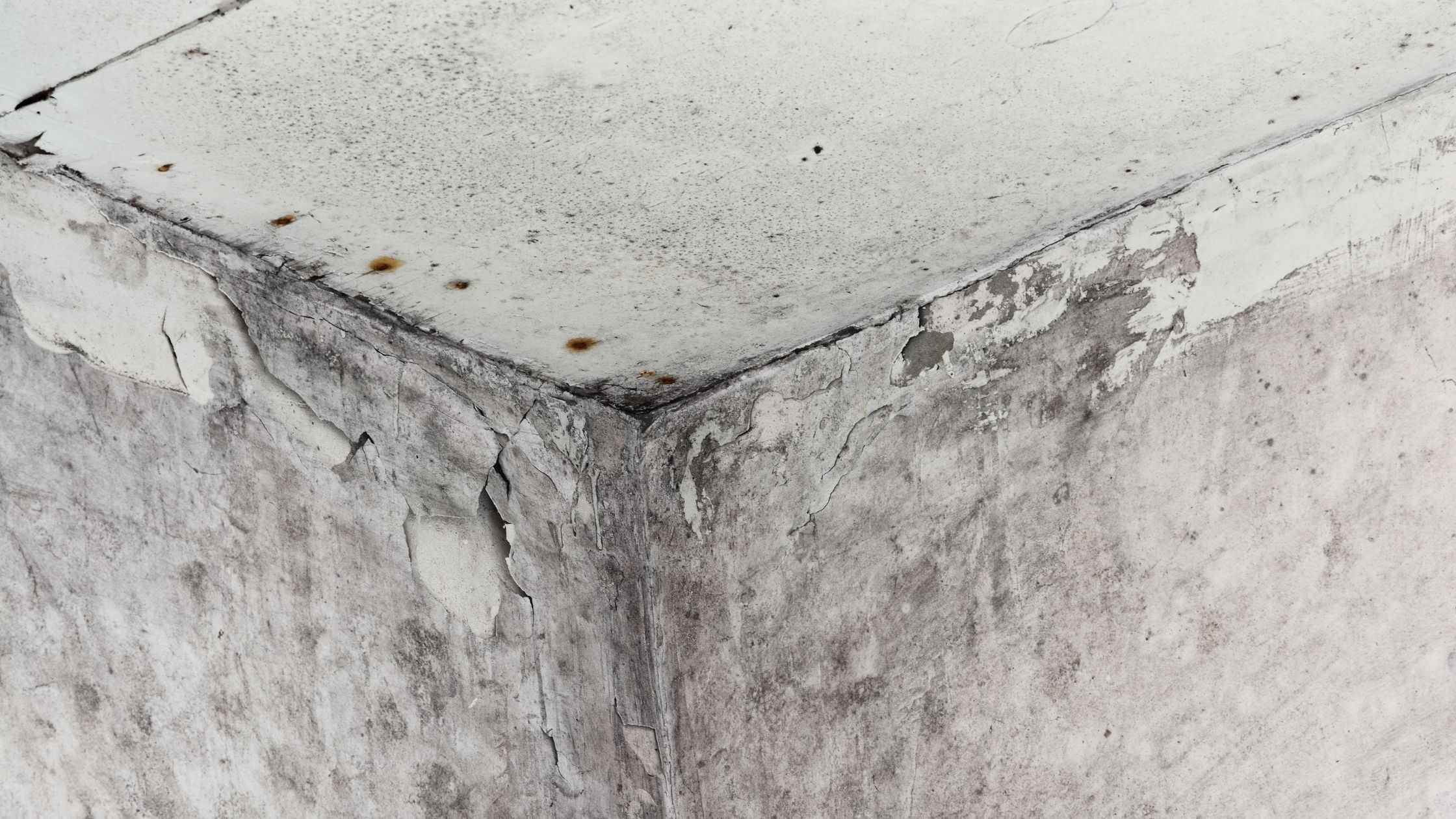
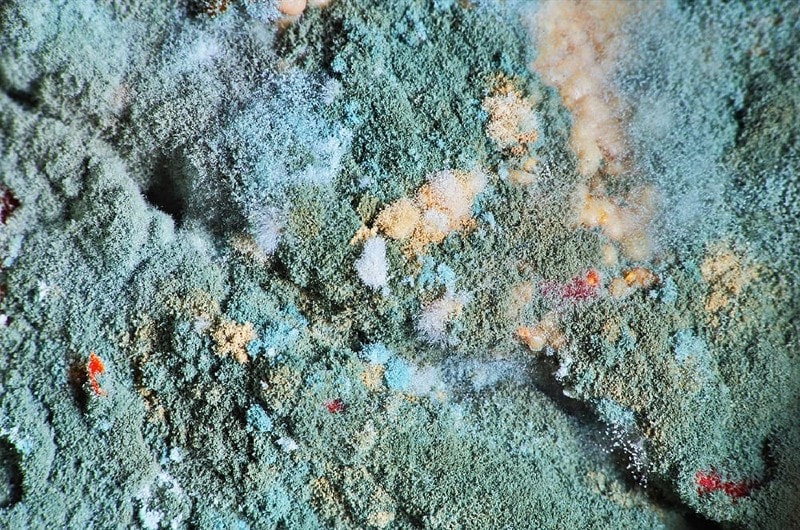
- Discoloration: This is your first clue. Look for areas that appear stained, darkened, or have a different color than the surrounding metal. It might be a subtle dulling of the shine, or a noticeable patch of black, green, white, or even reddish-brown. The color depends on the type of mold.
- Powdery or Dusty Appearance: Some molds form a powdery or dusty film on the surface. Gently wipe the area (with gloves and a mask!) and see if anything comes off. If it does, and it looks like a fine dust, it's likely mold.
- Spots and Patches: Keep an eye out for small, irregular spots or patches. These might be raised or flat against the metal surface. Consistency is key. Is it just dirt, or is it something more...biological?
- Musty Odor: Your nose can be a powerful tool! A persistent musty or earthy smell, especially in a damp environment, can indicate mold growth, even if you can't see it clearly.
- Rust-like Appearance: Certain types of mold can mimic rust, especially on iron or steel. Look closely – is it flaky like rust, or does it have a more textured, organic look? If unsure, it’s always best to treat it as mold.
Where to Look: Mold loves dampness and darkness. So, pay close attention to areas prone to moisture, like basements, garages, bathrooms, and areas with poor ventilation. Check metal pipes, tools, appliances, and any metal items stored in damp places. Regularly inspecting these areas is key to early detection.
What to Do If You Find It: If you suspect mold, don't panic! For small areas, you can often clean it yourself with a mold-killing cleaner (always follow the manufacturer's instructions). For larger infestations or if you're unsure, it's best to consult a professional mold remediation service. Protect yourself by wearing gloves, a mask, and eye protection during cleaning.
By being observant and understanding what mold on metal looks like, you can protect your valuable possessions and create a healthier environment. So, keep your eyes peeled, your nose alert, and your metal sparkling! You've got this, detective!