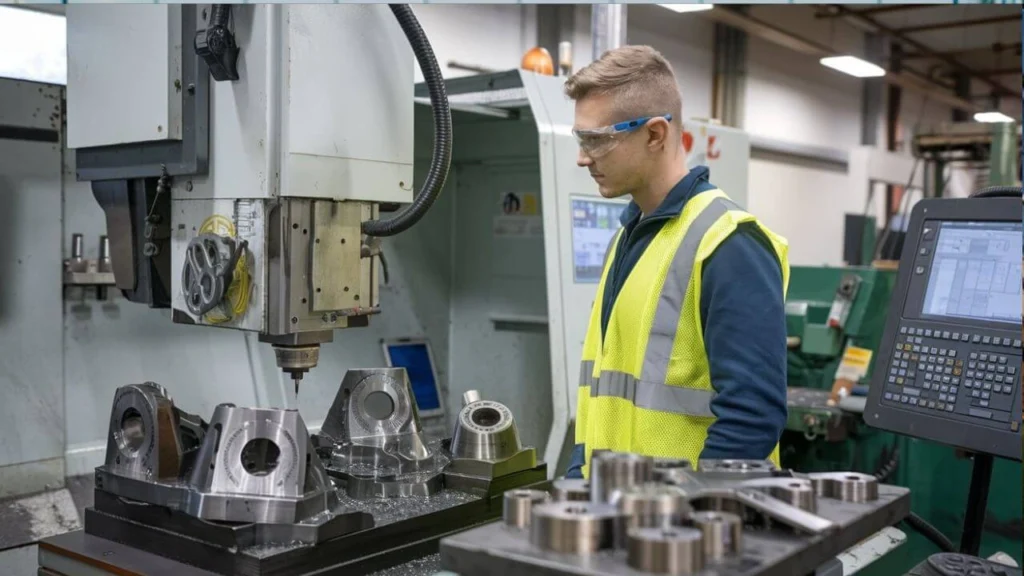
So, you've heard of a CNC machine operator, huh? Sounds like something out of a sci-fi movie. Lasers! Robots! World domination! Okay, maybe not world domination. But it is pretty cool.
The "Official" Job Description (Yawn)
If you Google it, you'll probably find something like: "A CNC machine operator programs, sets up, and operates computer numerically controlled (CNC) machines to fabricate parts." Blah, blah, blah. Sounds exciting as watching paint dry, right?
Let's get real. That's like saying a chef "prepares and cooks food." Technically true, but it misses the deliciousness, the drama, and the occasional kitchen fire!
What They Really Do (The Good Stuff)
Okay, picture this: Someone designs a widget. A super important widget. Maybe it's for a spaceship. Or a really fancy toaster. The CNC machine operator is the one who takes that design and makes it real. From nothing!
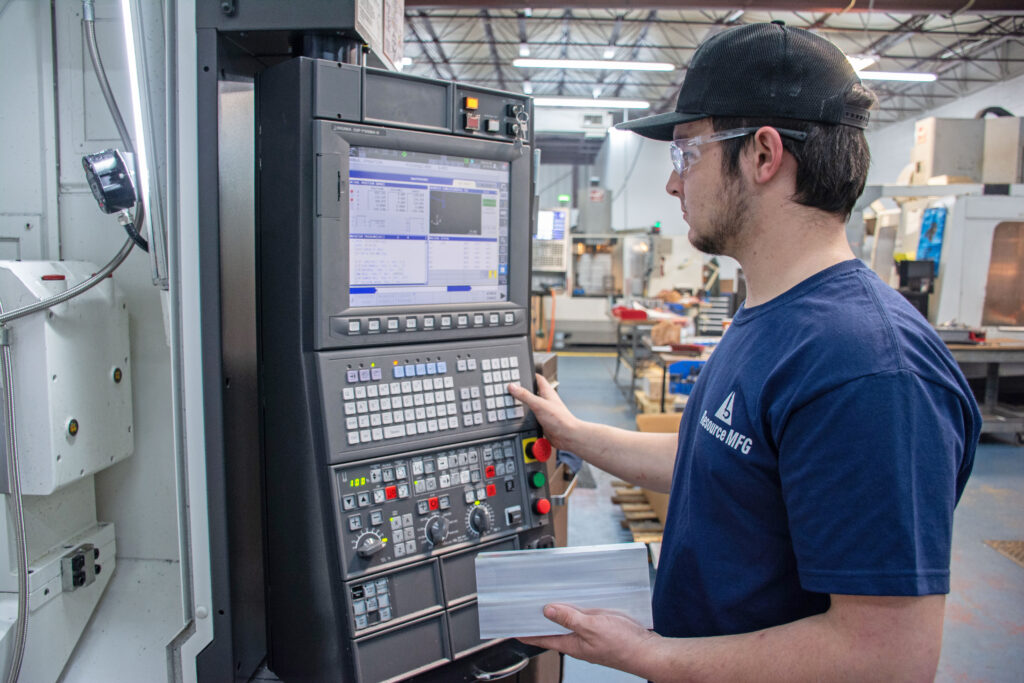
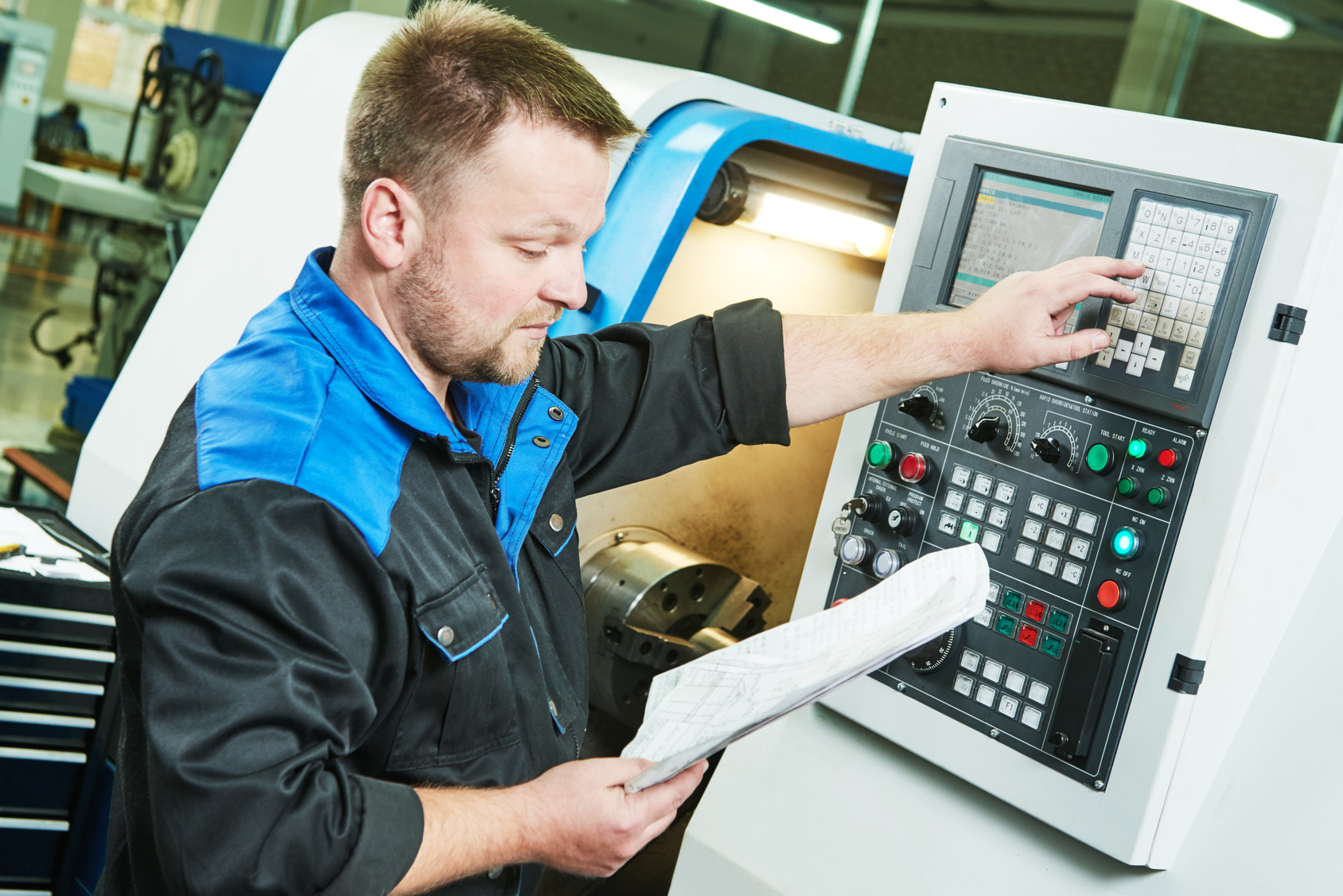
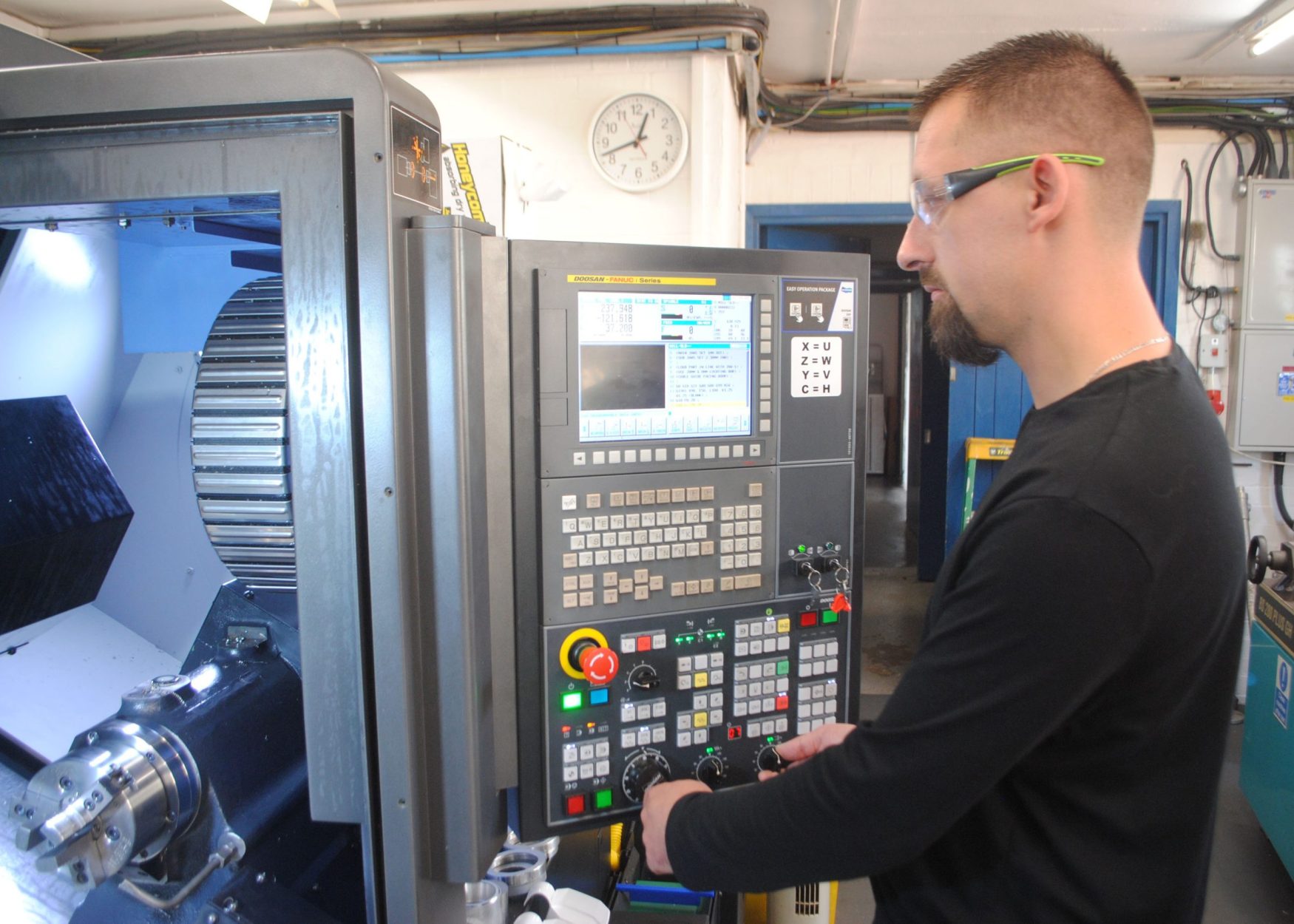
They're like digital sculptors. They use fancy software (probably with lots of buttons and scary-looking code) to tell the machine exactly what to do. Think of it as giving instructions to a very precise robot arm with a really sharp tool.
And this isn't just pressing a button. (Okay, sometimes it is just pressing a button. But don't tell anyone I said that.) They have to understand blueprints, materials, and how the machine works. If the machine throws a tantrum (and trust me, they do), the operator is the machine whisperer. They figure out what's wrong and fix it. They’re the ultimate troubleshooters.
Unpopular opinion: A good CNC machine operator is basically a mechanical therapist for stressed-out machines.
They also have to be super careful. These machines can be powerful! One wrong move and you've got a very expensive paperweight...or worse.
The Hidden Talents (Shhh!)
Here's where it gets interesting. Most job descriptions don't mention the hidden talents required to be a truly awesome CNC machine operator.
For example:
- Master of Problem Solving: Something ALWAYS goes wrong. The design is flawed, the material is weird, the machine is possessed by tiny gremlins. They have to figure it out, often with limited information and a looming deadline.
- Zen Master of Patience: CNC machining can be slow. Really slow. Imagine watching paint dry, but with metal shavings flying everywhere.
- Professional Listener (to Machines): They can hear subtle changes in the machine's hum. A slight vibration, a funny click… they know something is up before the machine explodes in a shower of sparks. (Hopefully not.)
- Emergency MacGyver: Duct tape, zip ties, WD-40… these are the tools of the trade. They can fix anything with a little ingenuity (and a lot of luck).
- Coffee Connoisseur: Let's be honest, long hours require copious amounts of caffeine. They know the best coffee shop within a five-mile radius.
So, What's the Big Deal?
Why is being a CNC machine operator important? Because they make things! Real, tangible things. From the tiny screws that hold your phone together to the massive parts that power airplanes. They are the unsung heroes of manufacturing. Without them, we'd all be living in caves.
And let's be honest, building cool stuff is way more fun than sitting in a meeting all day.
Unpopular opinion: CNC Machine Operators are the modern-day blacksmiths, forging the future with precision and skill.
So, next time you see something amazing, remember that a CNC machine operator probably had a hand in making it. Give them a silent "thank you." And maybe buy them a coffee. They deserve it.
Disclaimer: This article may contain traces of humor and slight exaggeration. Actual CNC machine operating may vary. Side effects may include an insatiable desire to build robots.