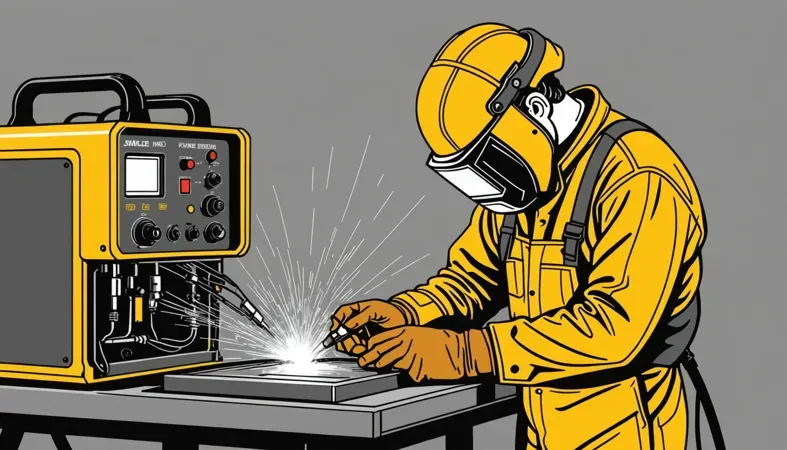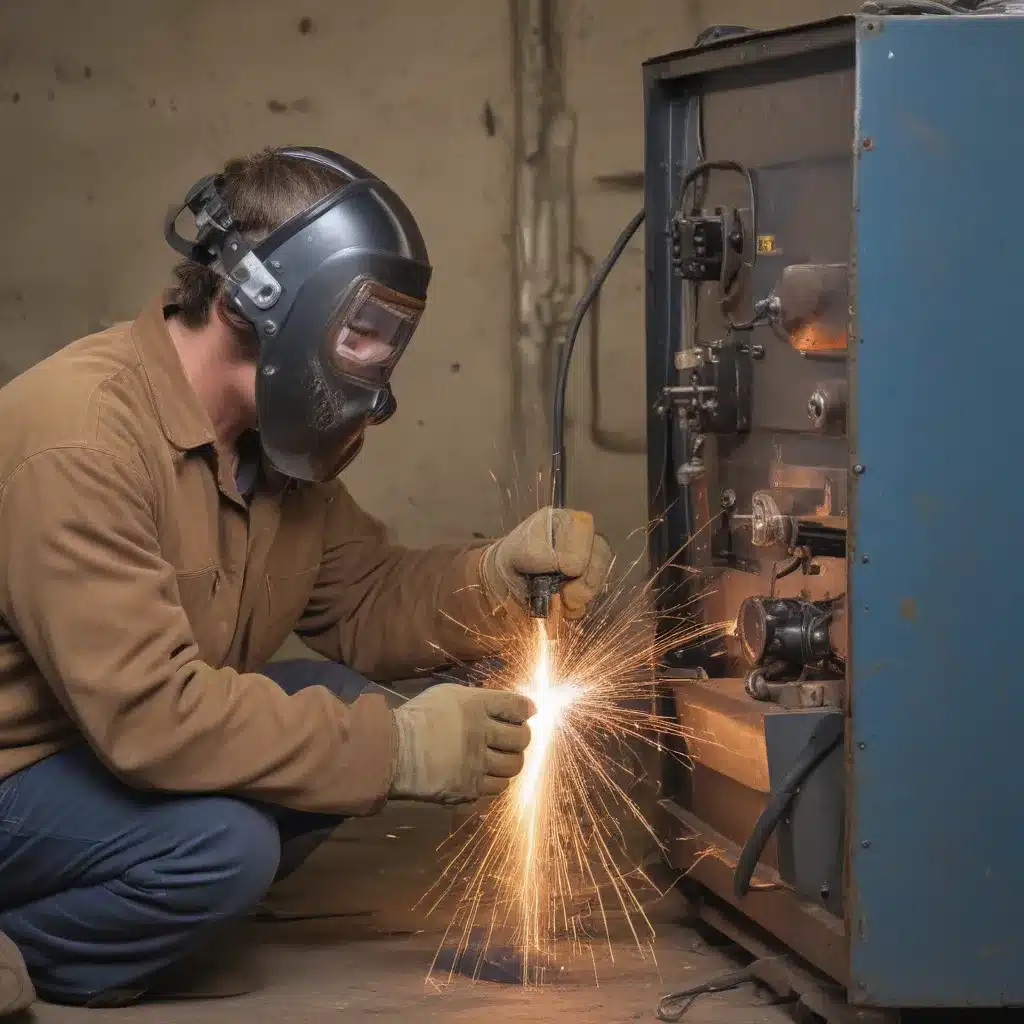
Alright, gather 'round, folks! Let me tell you a story. A story of sparks, molten metal, and… the occasional zap that makes you question your life choices. We're talking about electric shock in the welding industry, and believe me, it’s not all smooth welds and Instagram-worthy pictures of fire.
Now, before you picture welders looking like characters out of a Looney Tunes cartoon getting electrocuted constantly, let’s be clear: safety procedures are a *thing*. But accidents happen, and knowing *why* they happen is half the battle in preventing them. So, what's the biggest culprit behind these jolting experiences? It’s not rogue lightning strikes (though that would be a heck of a story!), but something far more… mundane.
The "Oops, I'm a Conductor" Scenario: Contact with Live Electrical Parts
This, my friends, is the king of electric shock causes. Think of it like this: you wouldn't stick a fork in a toaster, right? (Please tell me you wouldn’t). Well, accidentally touching live electrical parts while you're grounded – that's essentially the same principle, but with more voltage and less delicious toast. Live electrical parts in welding include things like electrode holders, welding leads, and even the welding machine itself if there's a fault. Touching these while you’re grounded allows electricity to take the scenic route *through you* to get to the ground. Not ideal.
Ever noticed welders wear those cool-looking gloves? They're not just for show (though, let's be honest, they *do* look pretty cool). They're designed to insulate you! But even the best gloves can't protect you from a direct, prolonged exposure to high voltage. So, keep those gloves in good condition, folks! Think of them as your electric shock force field. And remember, regular inspections of your equipment are a must! A frayed wire is like an open invitation to a shock party, and nobody wants to be the guest of honor.
The "Sweaty Situation": Moisture and Conductivity
Okay, picture this: it’s a hot summer day. You’re sweating more than a snowman in a sauna. Now, mix that sweat with some conductive materials like metal, and BOOM! You've created the perfect pathway for electricity. Moisture dramatically reduces your body's resistance to electrical current. That tiny little trickle of sweat running down your arm? That could be all it takes to make you a part of the circuit. I know, shocking, right?
This is why proper ventilation and staying hydrated (with something *other* than beer, surprisingly) are crucial. Keep your work area dry and consider wearing moisture-wicking clothing. Think of it as your anti-shock, sweat-fighting armor. Plus, you'll be less likely to look like you just ran a marathon, which is always a bonus.
The "Ground Fault Follies": Improper Grounding
Grounding: it's not just something birds do! In welding, grounding is absolutely essential. It's the safety net that provides a low-resistance path for electricity to flow back to the source in the event of a fault. A faulty ground is like removing that safety net and hoping for the best. Spoiler alert: the best usually doesn't happen.
If the grounding isn't done correctly (or isn't done at all!), you become the easiest path to ground. Imagine the electricity saying, "Ooh, a shortcut! Thanks, buddy!" and then… ZAP! Make sure your welding machine is properly grounded according to the manufacturer's instructions. And don't just assume it's grounded correctly; test it regularly! A simple ground test can save you a world of pain (and possibly a trip to the hospital).
The "Equipment Enigma": Faulty or Damaged Equipment
Welding equipment is tough, but it's not indestructible. Over time, cables can fray, insulation can crack, and internal components can fail. Using faulty or damaged equipment is like playing Russian roulette with electricity. You might get away with it for a while, but eventually, you’re going to have a bad time.
Regular inspections are key here. Look for cuts, abrasions, or exposed wires on cables. Check the electrode holder for cracks or damage. Listen for unusual noises coming from the welding machine. If something doesn't look right, smell right, or sound right, don't use it! Tag it out and get it repaired or replaced. Your well-being is worth more than the cost of new equipment. And, frankly, you look way cooler when you’re *not* convulsing from an electric shock.
So there you have it, folks! The not-so-secret causes of electric shock in the welding industry. Remember to be vigilant, use your PPE (personal protective equipment), maintain your equipment, and respect the power of electricity. Because while welding is a fantastic skill and can create some truly amazing things, it's always best to keep the electricity *in* the machine and *out* of your body. Stay safe, weld on, and try not to get zapped!