Ever been mesmerized by the swirling clouds of a hurricane on TV? Or maybe you've even experienced the power of one firsthand? Hurricanes, also known as typhoons or cyclones depending on where you are in the world, are some of the most powerful and fascinating weather phenomena on Earth. Understanding how they form isn't just about satisfying curiosity; it's about being prepared and staying safe! So, let's dive into the warm waters and swirling winds to uncover the secrets of hurricane formation.
Think of a hurricane as a giant, spinning engine fueled by warm ocean water. The purpose of understanding how these engines work is to better predict their paths and intensities, giving communities valuable time to prepare for potential impact. Knowing the ingredients and processes involved can literally be life-saving. We can use this information to build better infrastructure and make informed decisions during hurricane season.
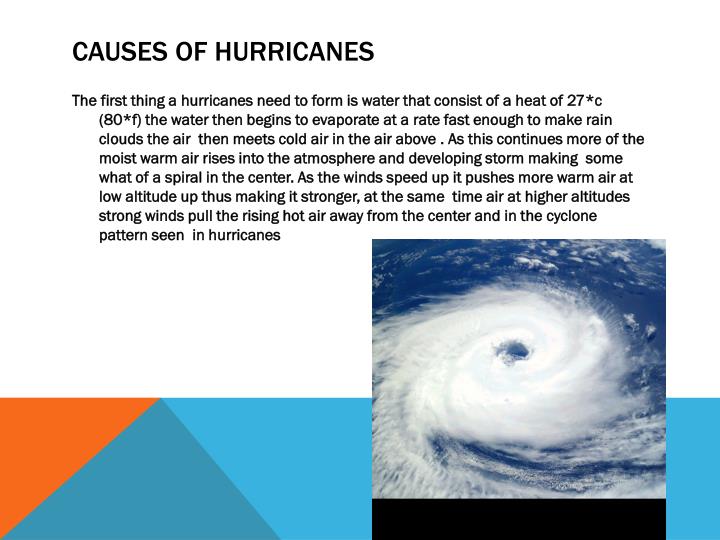
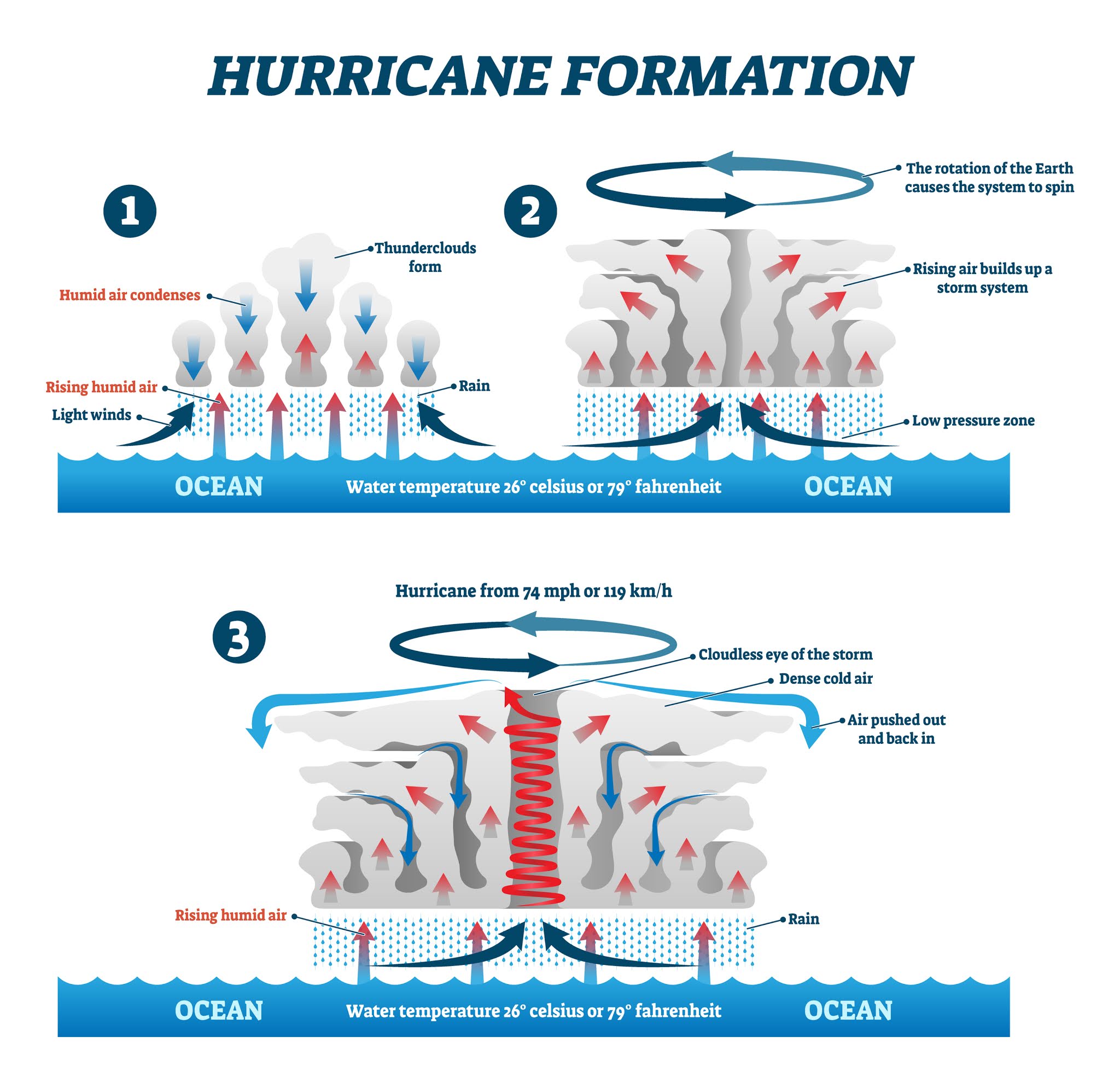
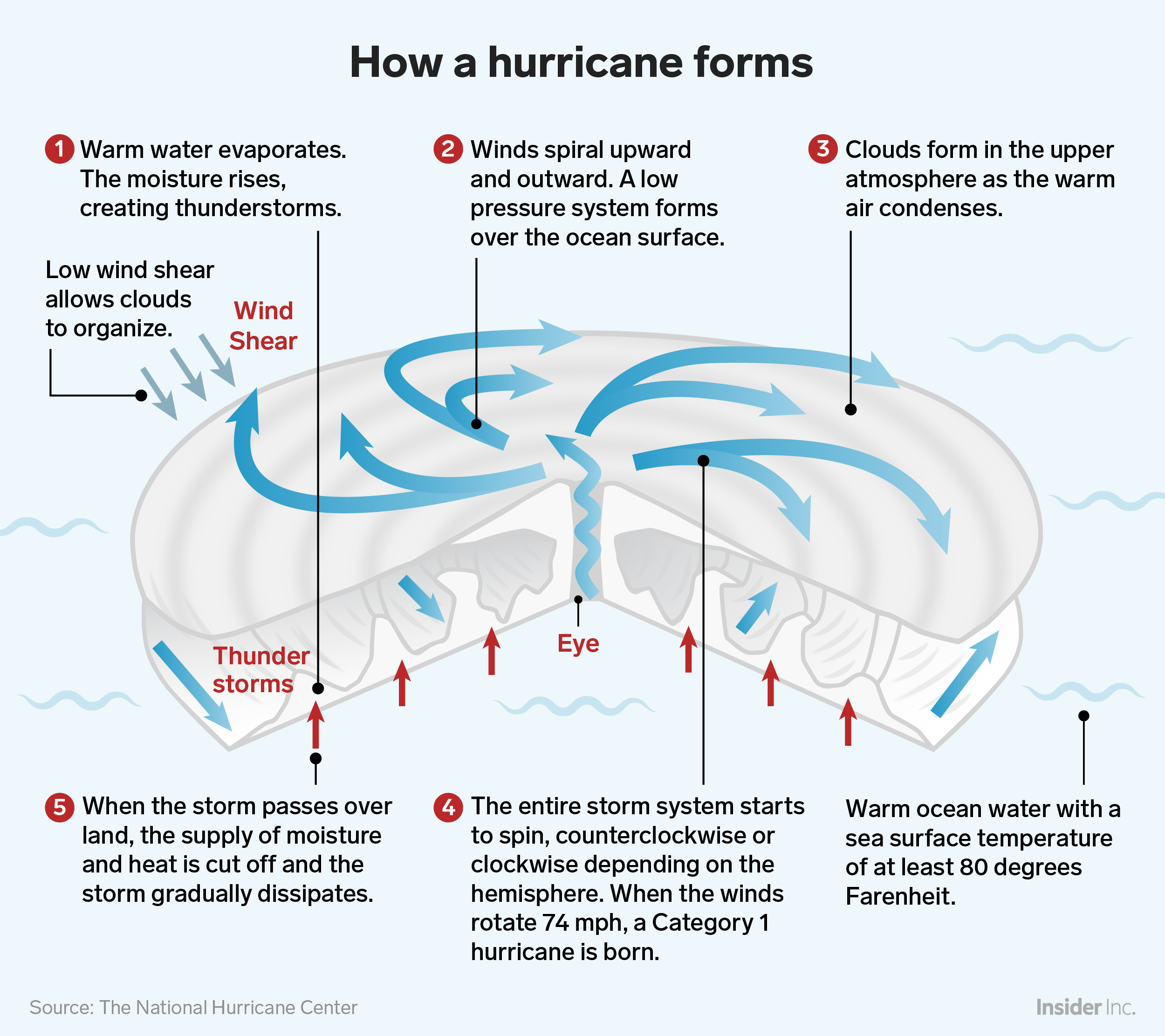
So, what are the key ingredients? First, you need warm ocean water, at least 80°F (27°C). This warm water acts as the hurricane's fuel source. As the sun heats the ocean, the water evaporates, rising into the atmosphere as warm, moist air. Think of it like boiling water in a kettle, but on a massive scale!
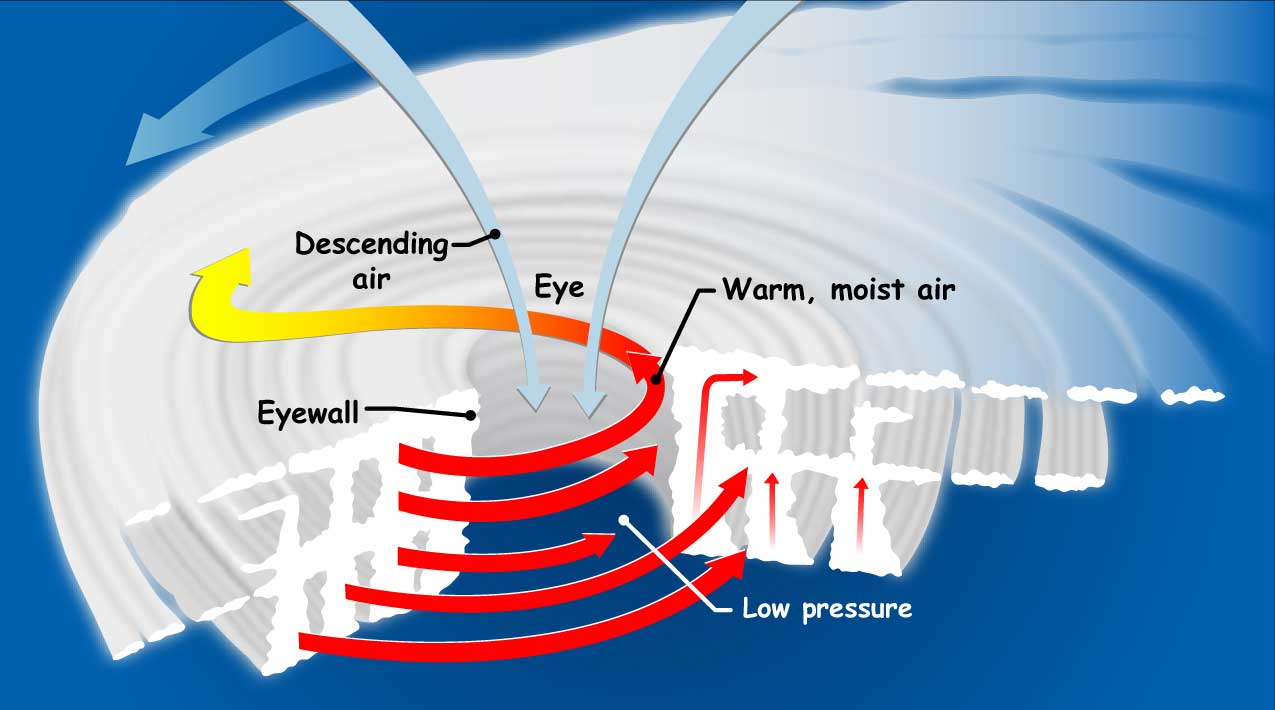
Next, we need unstable atmospheric conditions. This means that the warm, moist air is able to rise rapidly. As this air rises, it cools and condenses, forming clouds. This condensation releases even more heat, further fueling the upward motion. It's a positive feedback loop – the more warm air rises, the more clouds form, and the more heat is released!
Now, for the spin! The Earth's rotation plays a crucial role thanks to something called the Coriolis effect. This effect causes moving air to deflect to the right in the Northern Hemisphere and to the left in the Southern Hemisphere. This deflection is what gives hurricanes their characteristic swirling motion. Without the Coriolis effect, we'd just have thunderstorms, not these massive rotating storms.
Finally, you need low wind shear. Wind shear is the difference in wind speed and direction at different altitudes. High wind shear can tear a developing hurricane apart, preventing it from organizing and intensifying. Low wind shear allows the storm to build vertically, concentrating the energy and allowing it to strengthen.
In summary, a hurricane needs warm water, unstable atmospheric conditions, the Coriolis effect, and low wind shear to form. It's a delicate balance of atmospheric and oceanic conditions, and when all these elements align, the result can be a truly powerful and awe-inspiring force of nature. By understanding the science behind hurricane formation, we can better prepare for their potential impact and help keep our communities safe. Remember, knowledge is power, especially when it comes to weather!