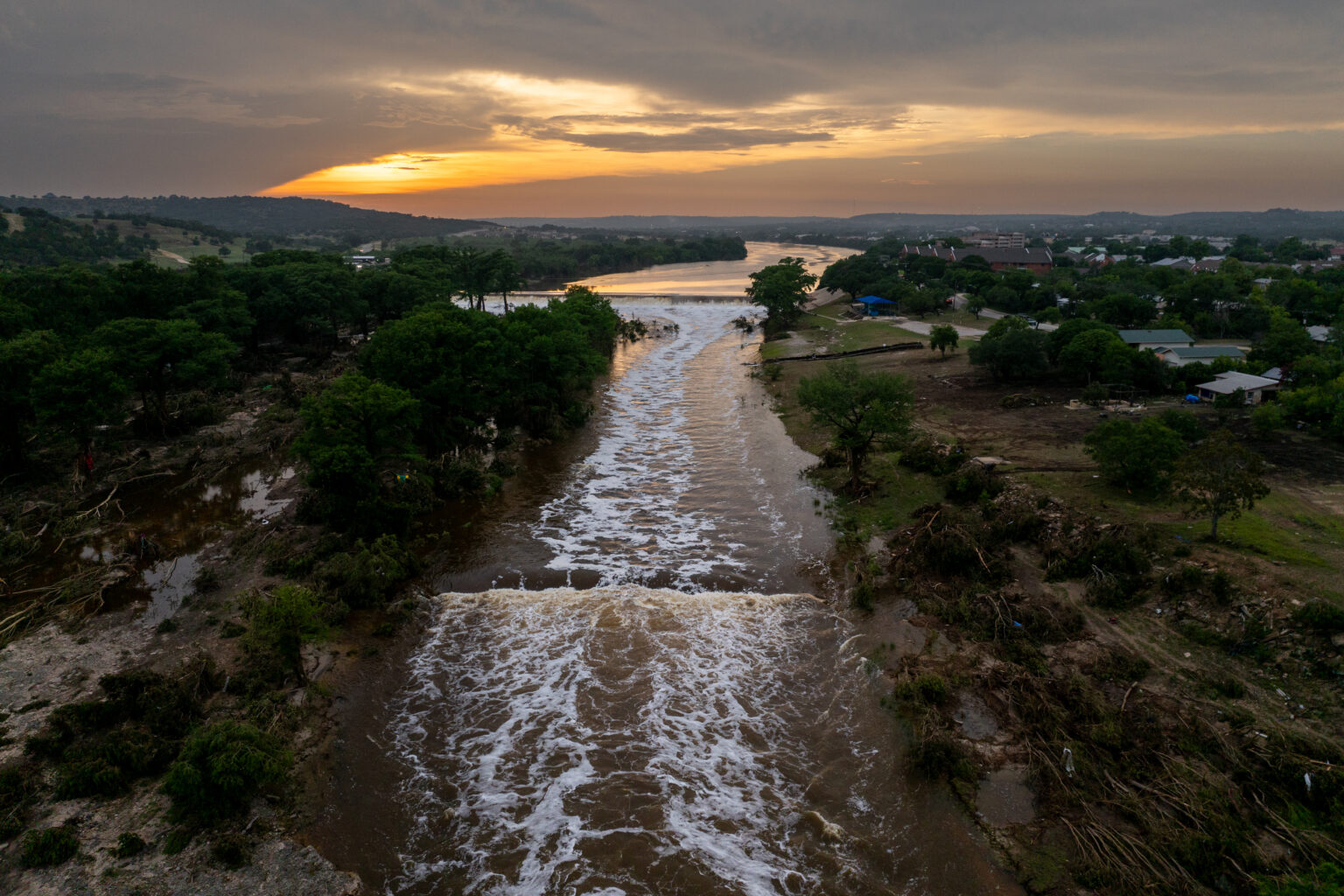
Okay, so Texas and flooding. Seems like they've been acquainted for a while now, right? But have you ever stopped to think about *why* Texas seems to get hit so hard sometimes? It's not just random bad luck, believe me. There's a whole fascinating cocktail of weather and geography that brews up those overflowing rivers and streets. Let's dive in!
First off, let's talk location, location, location. Think of Texas as this giant sponge sitting right in the path of a bunch of different air masses. You've got warm, moist air chugging up from the Gulf of Mexico – kind of like a giant, invisible river of humidity just waiting to burst. Then you have cooler, drier air pushing down from the north. And guess what happens when these two meet? Big-time precipitation! It’s like when you add cold water to a hot pan – *bam!* Steam, or in this case, rain. Lots and lots of rain.
But it’s not *just* the clashing air masses. Think of the jet stream! It is like a superhighway in the sky. This fast-flowing river of air can sometimes get “stuck,” causing weather systems to stall over an area. Imagine a traffic jam, but instead of cars, it’s a rain cloud refusing to move. When this happens, areas under that cloud get hammered with persistent, intense rainfall. And that's when things start to get soggy in Texas.
Now, what *kind* of rain are we talking about? Well, often it’s the kind that comes from tropical cyclones. We're talking about hurricanes and tropical storms that roll in from the Gulf. These swirling monsters are like giant sprinkler systems, capable of dumping *insane* amounts of water over vast areas. Remember Hurricane Harvey? That was a prime example, a slow-moving beast that just parked itself over southeast Texas and unleashed a biblical deluge. That's not your average Tuesday afternoon thunderstorm, folks!
But wait, there's more! (Said in my best infomercial voice). The *shape* of the land matters too. Texas has lots of flat terrain and slow-moving rivers. This means that when all that rainwater comes crashing down, it doesn't have anywhere to go quickly. It spreads out, filling up riverbeds, overflowing banks, and eventually, inundating entire communities. Think of it like pouring water onto a flat plate versus a bowl. Where's the water gonna go? All over the plate, right?
And let's not forget about something called the urban heat island effect. Cities tend to be warmer than surrounding rural areas because of all the concrete and asphalt. This extra heat can actually intensify rainfall. It's like the city is creating its own little microclimate, one that's more prone to heavy downpours. Crazy, right?
So, what about climate change? Well, scientists agree that a warming planet is making extreme weather events, including heavy rainfall, more frequent and intense. A warmer atmosphere can hold more moisture, which means when it does rain, it can really, *really* rain. So, while climate change might not be the *sole* cause of Texas floods, it’s definitely turning up the volume on the problem. It's like adding extra hot sauce to an already spicy dish.
Think of it all together: a perfect storm (pun intended!) of geography, atmospheric conditions, and a changing climate. It’s a recipe for potential flooding. And understanding all these different factors helps us understand why Texas deals with these events, and maybe even help us better prepare for them in the future.
So, the next time you hear about flooding in Texas, remember it's not just some random weather event. It’s a complex interplay of natural forces. Pretty cool, huh? (even if the consequences are less so). It’s a reminder of how interconnected our planet is, and how seemingly distant events can have profound impacts on our communities. And it all starts with understanding why it rains so hard in the Lone Star State.