Okay, picture this: I'm in the garage, wrestling with a measly little piece of 1/8" steel. I'm trying to cut a straight line (operative word: *trying*). Sparks are flying everywhere, my angle grinder is screaming like a banshee, and I'm pretty sure I just singed off half my eyebrows. The cut? Well, let's just say Picasso wouldn't have hung it in his bathroom.
Then it hit me. (Not the steel, thankfully!). All this fuss, all this frustration... it's largely because this piece is so darn thin! It got me thinking: what problems actually *shrink* when you start dealing with *thick* steel?
Alright, let's dive in, shall we? Let's talk about the surprising upsides of wielding some seriously beefy metal.
Heat Distortion: Enemy Number One (Sometimes)
Thin steel is a total drama queen when it comes to heat. You start cutting, and before you know it, the whole thing is warping like a potato chip left in the sun. Ever try welding warped steel? Yeah, good luck with that. It's like trying to herd cats. Heat distortion is a massive pain, especially if you're aiming for precision.
Now, with thick steel... things are different. That extra mass acts like a heat sink. It absorbs the heat better, dissipates it faster, and generally behaves itself much more nicely. You're still going to get some heat buildup, obviously (we're not talking magic here!), but the *severity* is dramatically reduced. Think of it like trying to boil the ocean versus boiling a teacup. Which one is going to happen faster?
So, less warping, less twisting, less metal behaving like a Salvador Dali painting. This translates to more accurate cuts and easier downstream processes (like welding). Winning!
Vibration and Chatter: No More Dental Work Needed
Thin steel vibrates like crazy. The thinner the metal, the more prone it is to, well, vibrating. This leads to chatter during cutting. Chatter is that annoying, teeth-rattling noise you hear, and it's not just unpleasant. It also ruins your cut quality, leaving you with jagged edges and a generally messy finish. And it makes your tools work harder than they need to. No bueno.
Thick steel, on the other hand, is like a sturdy, unshakeable rock. It resists vibration like a boss. This means smoother cuts, less noise, and a longer lifespan for your cutting tools. Plus, you won't feel like you just spent an hour at the dentist after you are done cutting.
Tool Selection: The "Size Matters" Principle
Cutting thin steel often requires *specialized* tools. You need delicate blades, precision settings, and a whole lot of finesse. You can't just go at it with a sledgehammer (unless you *really* want to make a mess, but trust me, you don't).
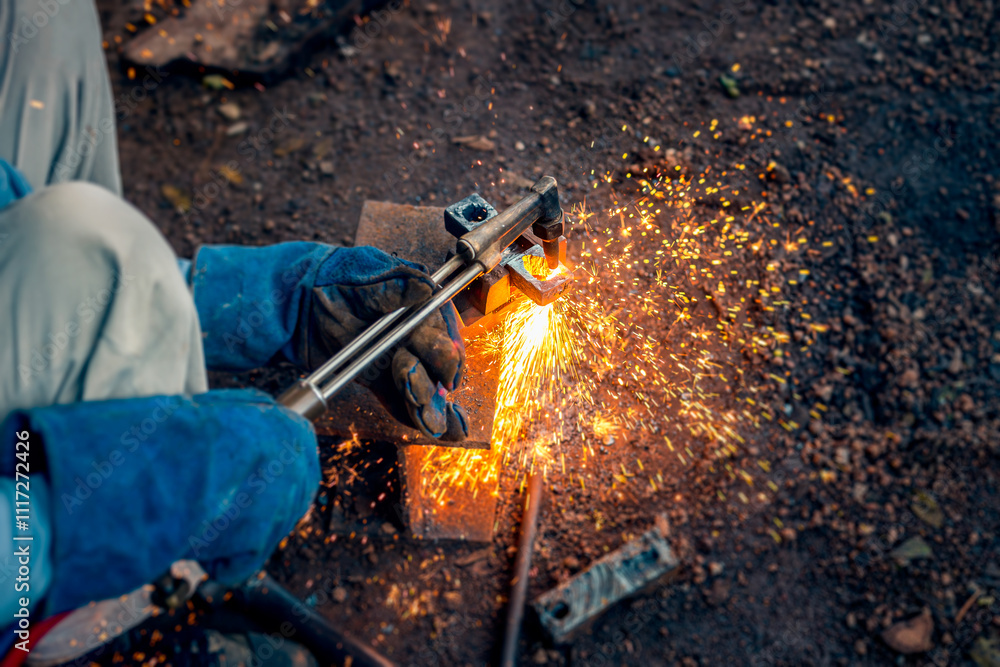
But when you are cutting thick steel, most of the time, you will use a plasma cutter or an oxy-acetylene torch. These are some of the more powerful, heavy-duty cutting tools available. No dinky tools required here. You can bring out the big guns, crank up the power, and get the job done quickly and efficiently. Less tiptoeing around, more raw cutting power. Just make sure you are using the right tips and techniques or you could have problems.
Edge Quality: Less Fuzz, More Fizz
Okay, "fizz" might be stretching it, but hear me out. When you cut thin steel, the edges tend to be… less than perfect. You often get burrs, jagged bits, and a generally rough finish. You end up spending a ton of time grinding and cleaning up the edges to get them smooth and presentable.
With thick steel, the cuts tend to be cleaner and more defined. The added thickness provides more stability, resulting in a smoother edge with fewer imperfections. This means less time spent on cleanup and more time on whatever awesome project you're building. Less grinding means more building. That's a win in my book.
So, next time you're struggling with a thin piece of metal, remember this: sometimes, bigger *is* better. Thicker steel can actually make your life easier. Now, go forth and conquer those metal projects! But please, wear proper safety gear, okay?