So, you're curious about engineering? Awesome! It's a field that shapes our world in ways we often take for granted. From the phone in your pocket to the bridge you drive over, engineers are the unsung heroes behind it all. But engineering isn't just one thing; it's a vast and diverse landscape. Let's take a stroll through some of the most prominent types, shall we?
Civil Engineering: The Backbone of Civilization
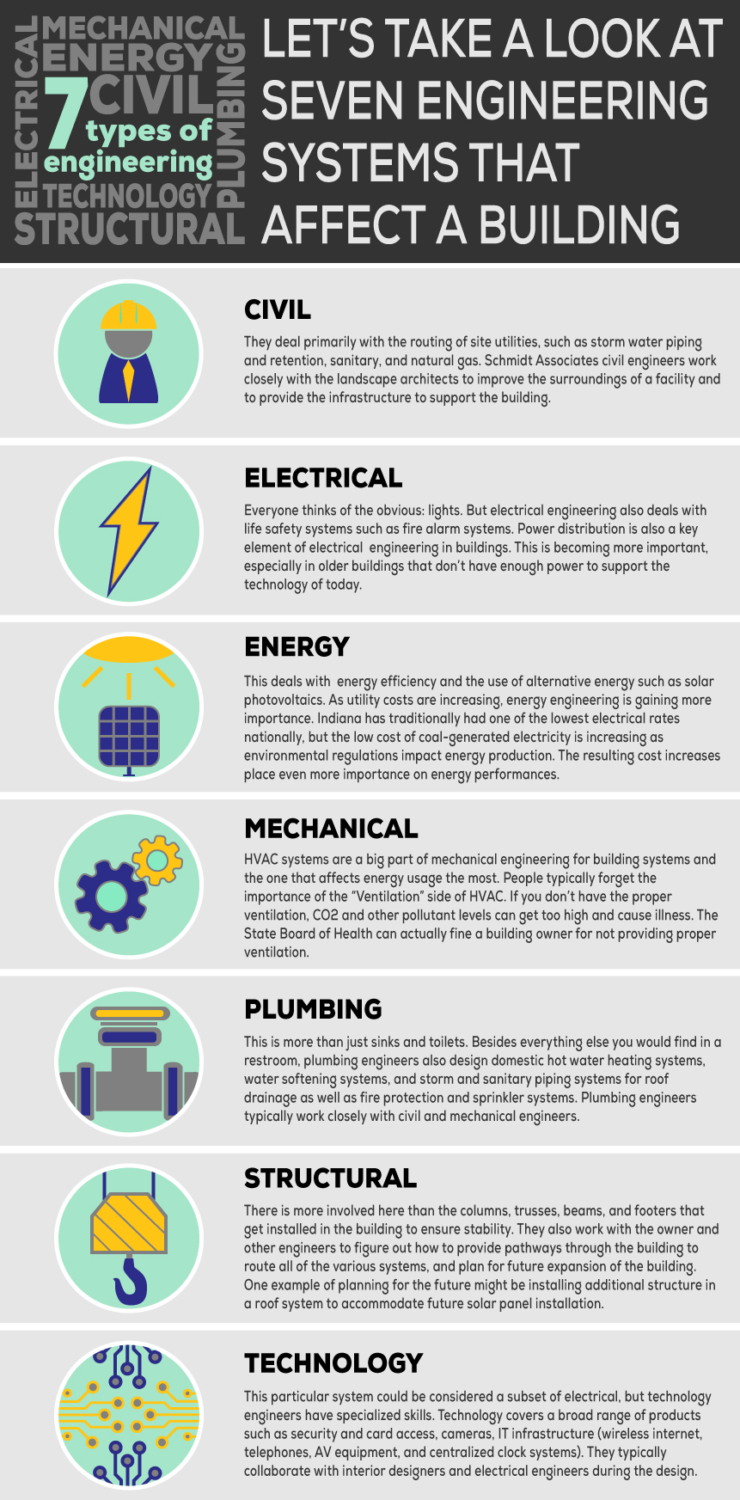
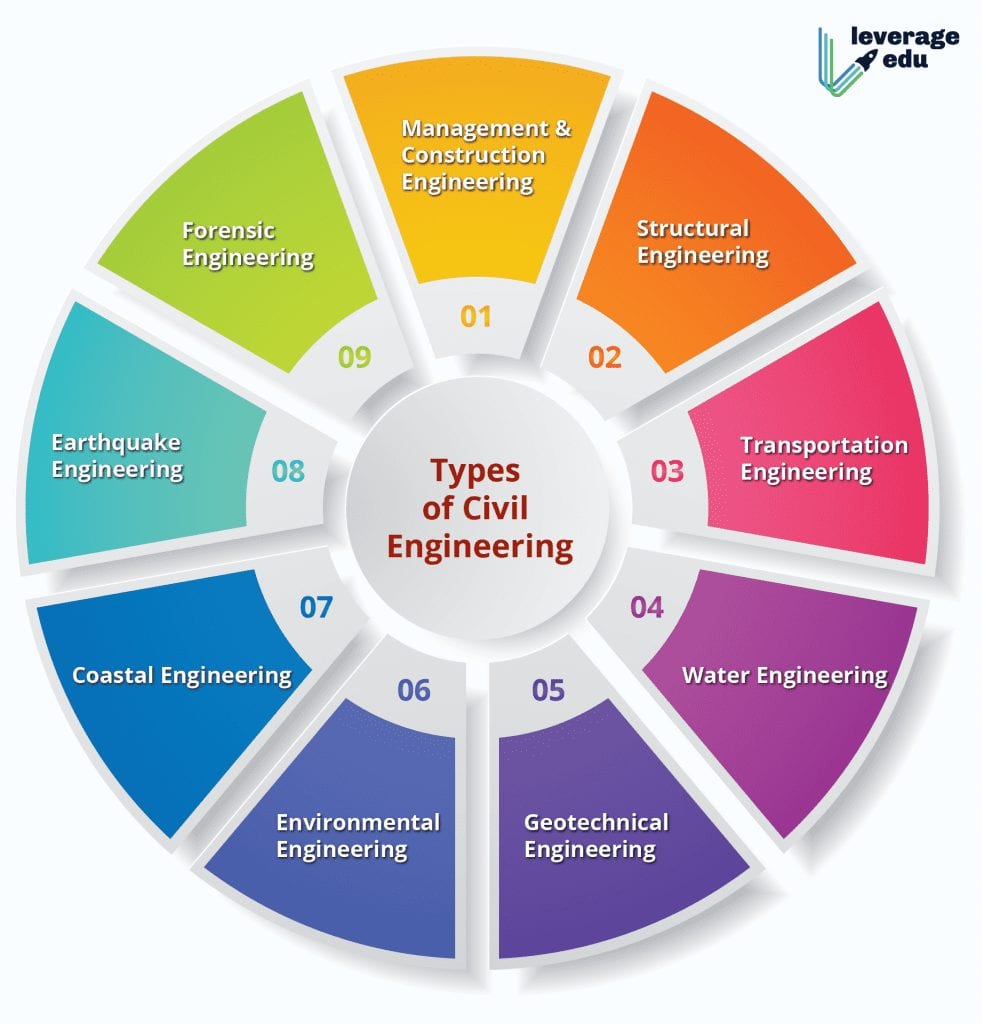
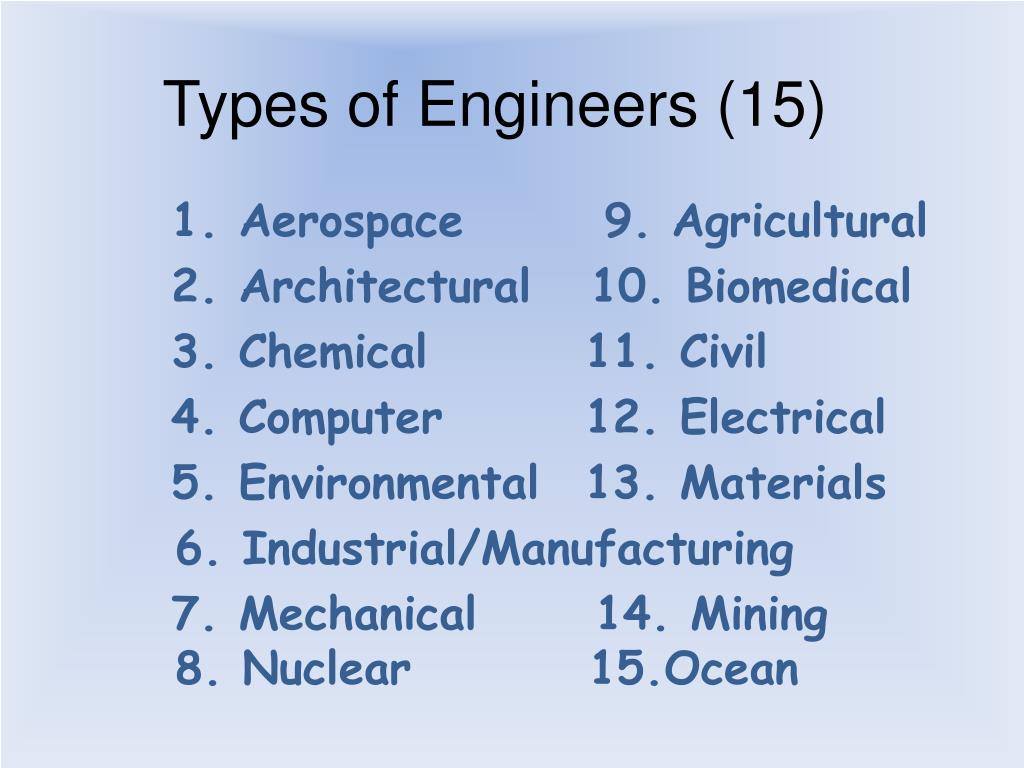
Think Roman aqueducts and the Hoover Dam. Civil engineers are the architects of our physical world. They design, construct, and maintain infrastructure projects like roads, bridges, buildings, dams, and water systems. They're the ones who ensure our cities function smoothly and safely. It's no exaggeration to say they built civilization, literally.
Practical Tip: Next time you're stuck in traffic, spare a thought for the traffic engineers trying to optimize flow and reduce congestion. They're real-life SimCity players!
Mechanical Engineering: Machines in Motion
Got a car? An air conditioner? A robot vacuum? Thank a mechanical engineer! These folks design, develop, and test mechanical and thermal devices. They work with everything from tiny micro-machines to massive power plants. Imagine the complexity of designing a jet engine – that's mechanical engineering at its finest!
Fun Fact: The first mechanical engineers were probably the people who invented the wheel. Talk about a game changer!
Electrical Engineering: Powering Our World
Electricity is the lifeblood of the modern world, and electrical engineers are its caretakers. They design, develop, and test electrical systems and devices, from power grids and telecommunications networks to microchips and medical equipment. Ever wondered how your phone knows where you are? Electrical engineering is a big part of the answer.
Cultural Reference: Think about Tony Stark in Iron Man. While the science is fictionalized, his expertise in electrical and mechanical engineering is at the core of his technological marvels.
Computer Engineering: The Digital Frontier
This is where hardware meets software. Computer engineers design and develop computer systems and components, including processors, memory, and networks. They're the bridge between the physical world of electronics and the virtual world of code. They are behind the devices and systems we can't seem to live without in this digital age.
Practical Tip: Learn a little bit about coding! Even basic knowledge can help you understand the inner workings of the devices you use every day.
Chemical Engineering: The Alchemists of the Modern Age
Forget turning lead into gold, chemical engineers transform raw materials into valuable products. They design and develop processes for producing chemicals, fuels, pharmaceuticals, and other materials. From the gasoline in your car to the plastic in your water bottle, chemical engineers play a vital role in our daily lives.
Fun Fact: The creation of synthetic penicillin during World War II was a huge achievement for chemical engineering, saving countless lives.
Aerospace Engineering: Reaching for the Stars
Got a dream of working on rockets or airplanes? Aerospace engineering might be your calling. These engineers design, develop, and test aircraft, spacecraft, and missiles. They tackle challenges ranging from aerodynamics and propulsion to structural integrity and navigation.
Practical Tip: Visit a local aviation museum and check out the engineering marvels on display! It can spark your interest and show you the evolution of technology.
Other Notable Engineering Fields
This is just the tip of the iceberg. Other important engineering fields include:
- Industrial Engineering: Optimizing processes and improving efficiency in various industries.
- Biomedical Engineering: Developing medical devices and technologies.
- Environmental Engineering: Protecting the environment and developing sustainable solutions.
- Materials Engineering: Researching and developing new materials with specific properties.
The key takeaway is that engineering is a problem-solving discipline. Engineers identify needs, analyze problems, and design solutions. Each type of engineering applies its own unique knowledge and skills to tackle different challenges.
So, what does all this mean for you and me? Well, engineering touches every aspect of our lives. From the moment we wake up to the time we go to bed, we're surrounded by the products and systems that engineers have created. By understanding the different types of engineering, we can gain a deeper appreciation for the ingenuity and innovation that shapes our world. It's not just about circuits and stresses; it's about the power of human intellect to improve lives and push the boundaries of what's possible.