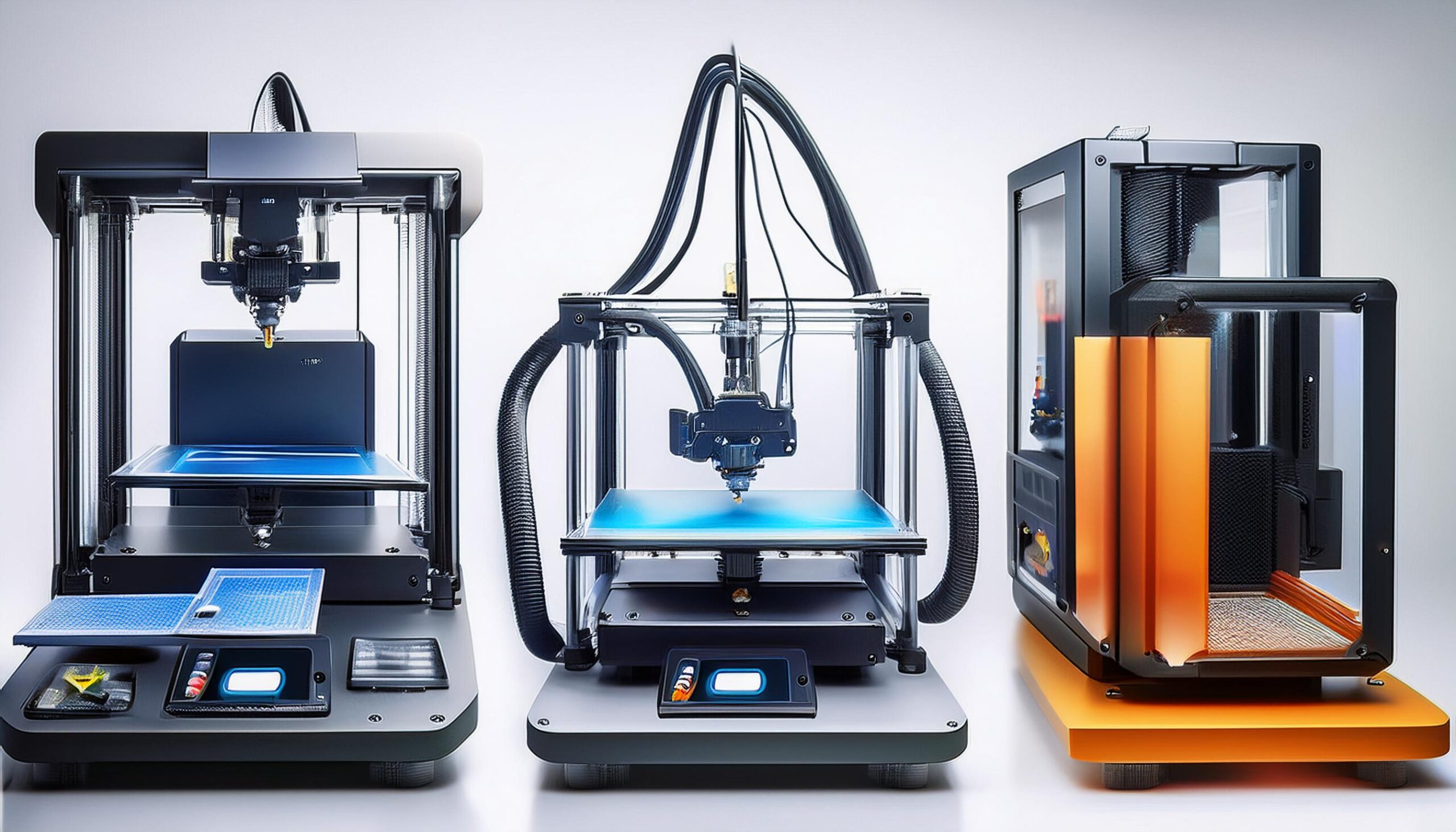
3D printing. Just the words conjure images of futuristic factories churning out spaceships, or perhaps whimsical artists crafting fantastical creatures from thin air. While the spaceships might be a *bit* ambitious for your average home setup, the reality is that 3D printing has exploded in popularity, becoming accessible and surprisingly easy to get into. It's no longer just for engineers; it's a playground for artists, a workshop for hobbyists, and a learning lab for curious minds.
Why the hype? Well, for starters, 3D printing empowers you to bring your ideas to life. Imagine designing a custom phone case, creating personalized gifts, or prototyping that brilliant invention you've been sketching on napkins. For artists, it opens up a whole new dimension (pun intended!) of sculptural possibilities. They can create intricate jewelry, design unique figurines, and even produce components for larger installations. Hobbyists can repair broken household items, build custom models, or enhance their gaming experiences with personalized miniatures. And for casual learners, it's a fantastic way to understand design principles, explore materials science, and simply tinker with technology.
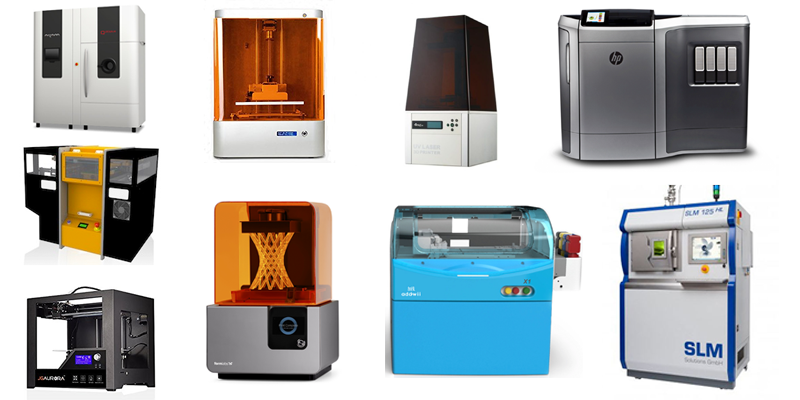
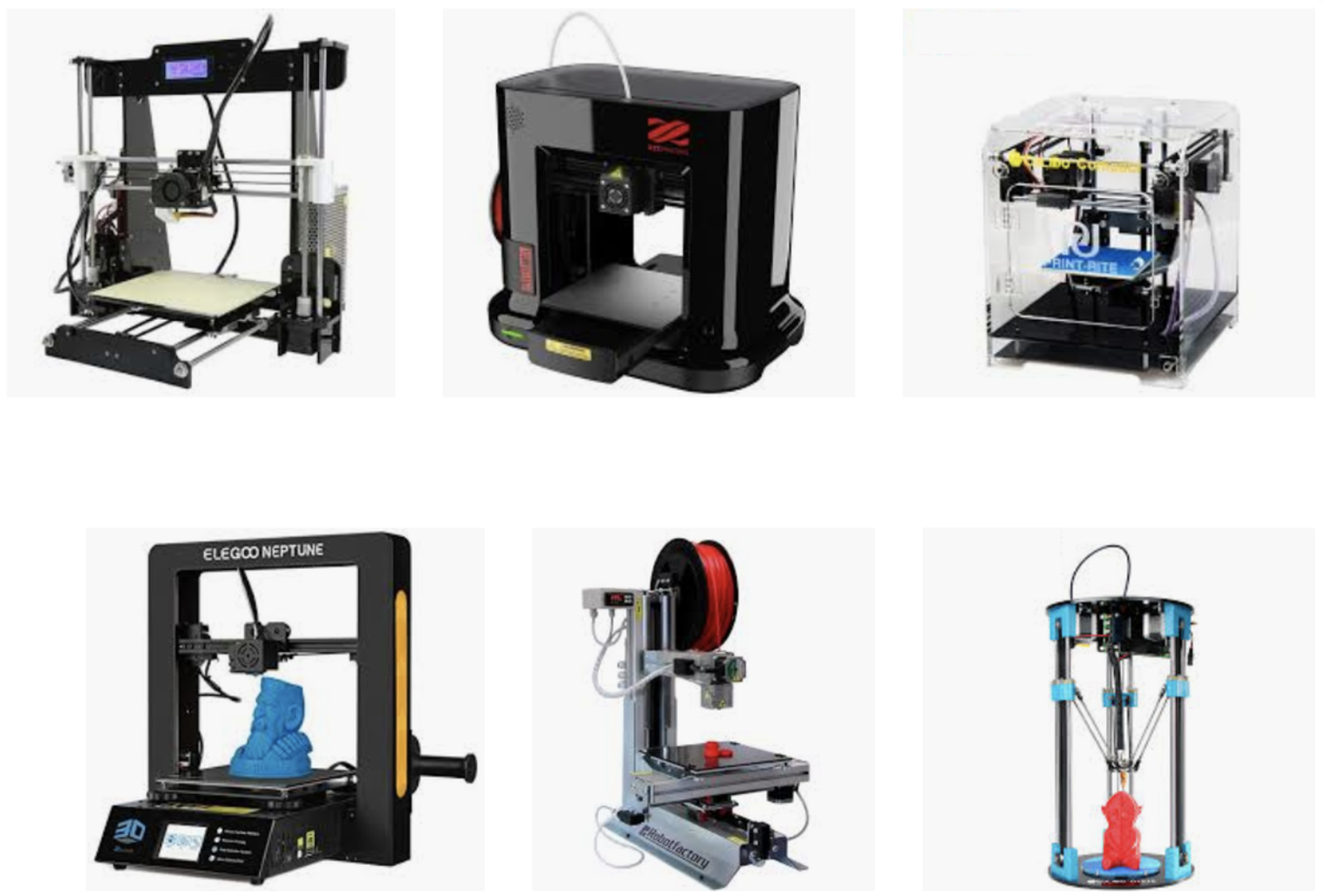
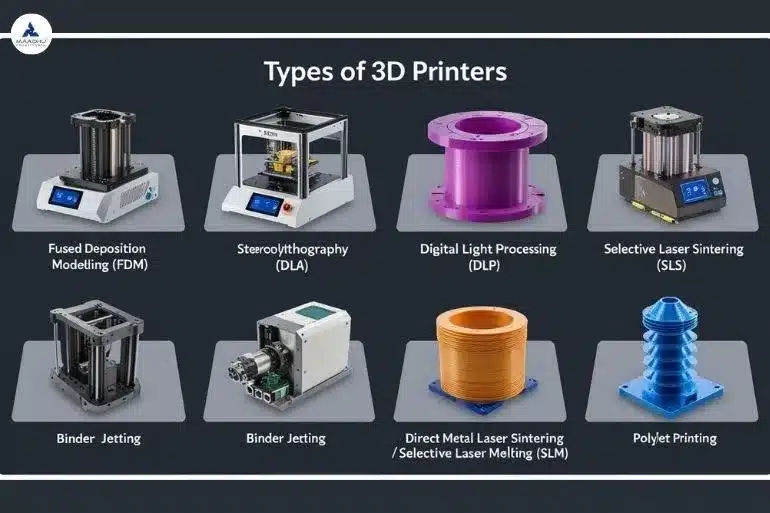
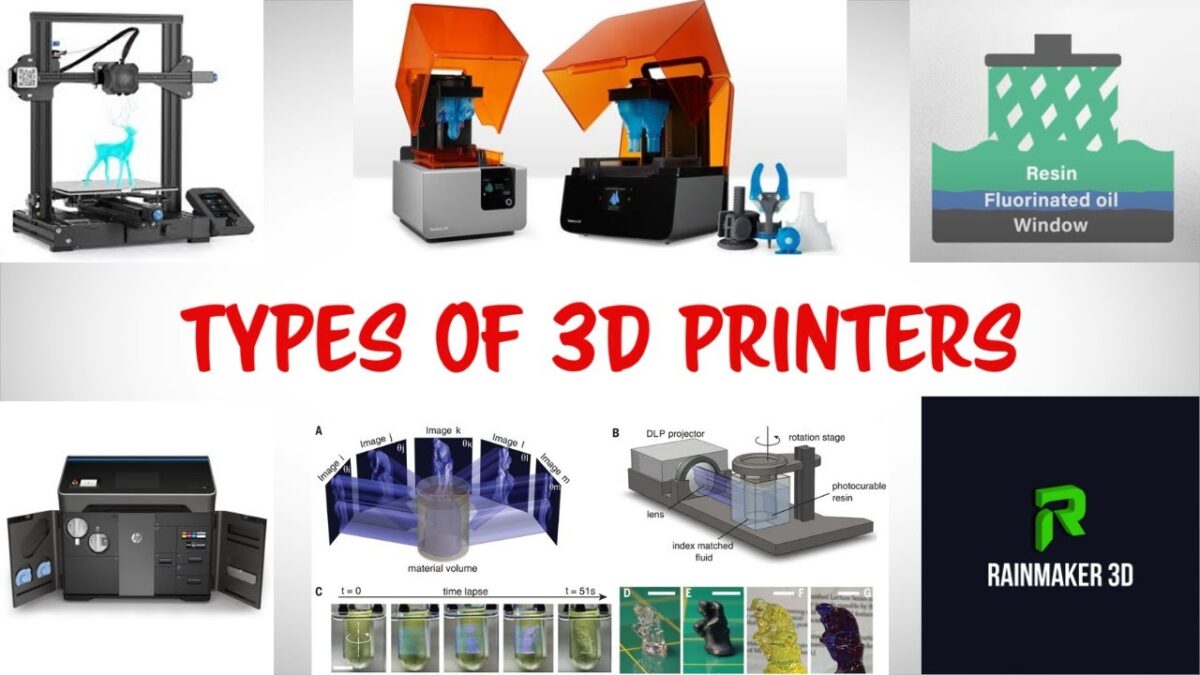
So, what types of 3D printers are out there? The most common type for home use is Fused Deposition Modeling (FDM). Think of it like a really precise hot glue gun that builds up layers of plastic filament. FDM printers are relatively affordable and versatile, allowing you to create everything from simple toys and decorative items to functional parts. Another popular option, particularly for detailed models and intricate designs, is Stereolithography (SLA). SLA printers use a laser to cure liquid resin, resulting in smoother surfaces and finer details than FDM. You might also encounter Selective Laser Sintering (SLS), which uses a laser to fuse powder materials, but these are generally more expensive and geared towards industrial applications.
Examples abound! FDM printers are perfect for printing cosplay props, architectural models, or replacement parts for appliances. You can find countless designs online – from articulated action figures to geometric vases. SLA printers excel at producing miniature figurines for tabletop games, detailed jewelry with intricate patterns, and dental models. The possibilities are truly endless, limited only by your imagination (and maybe your budget!). You could even print cookie cutters in fun shapes or custom stamps for your crafting projects. There are also dual extrusion printers that allow for printing with two colors or materials at once! This opens opportunities for more visually complex and structurally sound creations.
Interested in trying it at home? Start with an FDM printer – they're the most budget-friendly and user-friendly. Do your research and read reviews before purchasing. There are tons of helpful online communities and tutorials to guide you through the process. Download some free 3D modeling software like TinkerCAD or Blender to create your designs, or explore online repositories like Thingiverse for pre-made models. Don't be afraid to experiment with different filaments and settings. The first few prints might not be perfect, but that's part of the learning process! And most importantly, remember to level your print bed. This ensures the first layer adheres correctly, setting the foundation for a successful print.
Ultimately, 3D printing is enjoyable because it allows you to transform ideas into tangible objects. It's a creative outlet, a problem-solving tool, and a fascinating glimpse into the future of manufacturing, all rolled into one. From crafting personalized gifts to prototyping inventions, the sense of accomplishment you get from bringing your digital designs into the real world is incredibly rewarding. So, dive in, explore, and unleash your inner maker!