Alright, settle in folks, because we're about to dive headfirst into the swirling, soggy world of hurricanes! Think of me as your friendly neighborhood hurricane hype-man, here to demystify these weather monsters without making you fall asleep. We're talking categories, wind speeds, and the sheer, unadulterated *drama* that comes with each level. So, grab your metaphorical umbrella (and maybe a snack), and let's get started!
Hurricane Categories: A Scale of ‘Oops’ to ‘Oh. My. Goodness.’
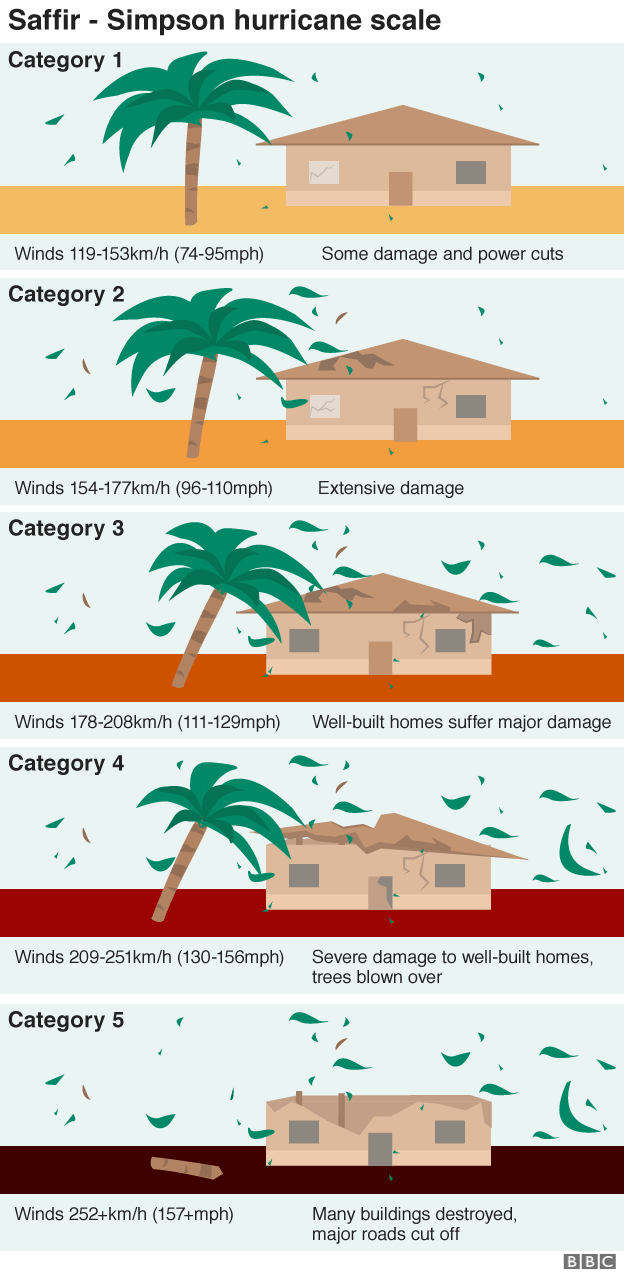
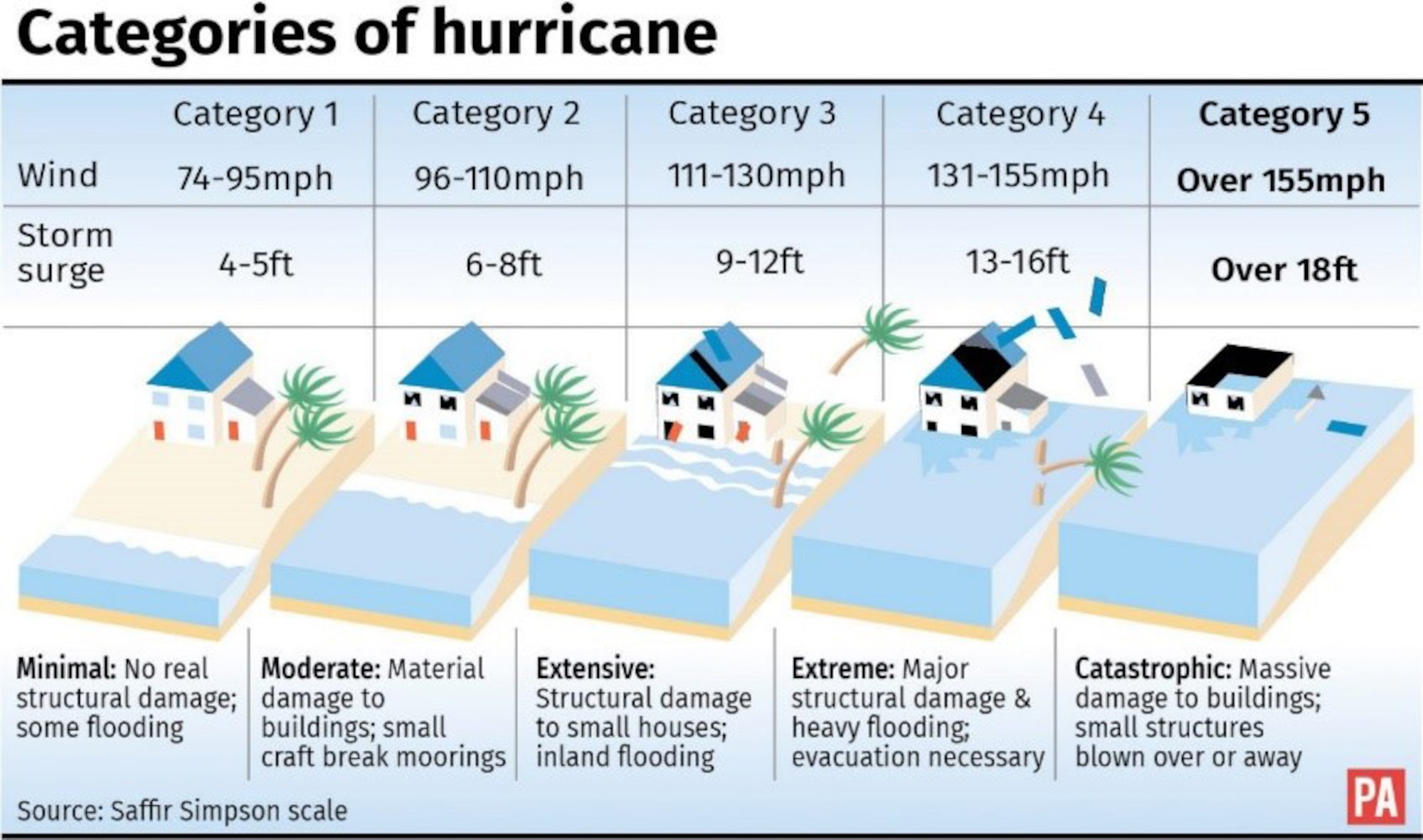
The whole hurricane shebang revolves around something called the Saffir-Simpson Hurricane Wind Scale. Sounds fancy, right? Don't worry, it's basically just a 1-to-5 scale, like judging a particularly enthusiastic dog show. The higher the number, the more… let's just say, *unpleasant* things get.
Category 1: "Meh, It's Just a Little Breeze...Right?"
Okay, maybe not *just* a breeze. We’re talking sustained winds of 74-95 mph. That's enough to break some tree branches, mess up your meticulously styled hair, and maybe cause some minor power outages. Coastal flooding is possible. Think of it as nature's way of saying, "Hey, maybe bring in the patio furniture?" You might lose a shingle or two, which, let’s be honest, you probably needed to replace anyway. This is where you start seeing the local news anchors looking vaguely concerned but mostly maintaining their composure. Key phrase: "Expect some minor inconveniences."
Category 2: "Okay, Now I'm Slightly Concerned."
We're upping the ante with winds of 96-110 mph. Now we're talking significant roof and siding damage, widespread power outages, and downed trees *everywhere*. Evacuations become a real possibility, especially if you live near the coast. This is the point where you realize that maybe leaving those Christmas decorations up all year wasn't such a great idea. Cue the local news anchors adding a furrow to their brow and using terms like “potential life-threatening conditions.” Key phrase: "Prepare for extended power outages."
Category 3: "Houston, We Have a Problem." (Or insert your town name here)
Welcome to the world of 111-129 mph winds. Now we're talking *major* damage. Your house might start losing pieces. Your neighbor's trampoline might end up in your swimming pool (if you still have one after the storm surge). Widespread flooding is almost guaranteed. We're in full-blown emergency response mode. The news anchors are probably wearing rain slickers and bravely standing outside while yelling into a microphone that's battling the wind. This is where you definitely, absolutely, 100% evacuate if you're told to do so. Key phrase: "Evacuate if instructed. Seriously."
Category 4: "The End is Nigh... Just Kidding! (Mostly.)"
Hold on to your hats (if you still have them!), because we're hitting wind speeds of 130-156 mph. At this point, your house isn't just losing pieces; it might be actively trying to disassemble itself. Complete roof failure is common. Trees are uprooted like weeds. Power lines are down. Entire neighborhoods are underwater. This is where even the most seasoned emergency responders start looking a little pale. The news anchors have likely retreated indoors and are now reporting from a heavily fortified studio. Key phrase: "Catastrophic damage is expected. Your home may not be habitable."
Category 5: "May God Have Mercy On Our Souls (and Also Our Roofs)."
The big kahuna. The apex predator of the weather world. Anything above 157 mph is Category 5. The scale literally runs out of adjectives to describe how bad this is. We're talking about complete and utter devastation. Buildings are flattened. Storm surges can be biblical. The landscape is forever changed. If you're in the path of a Category 5 hurricane, your primary concern isn't your stuff; it's your survival. The news anchors are probably in bunkers, praying to the weather gods. Key phrase: "Unsurvivable conditions. Seek immediate shelter." Fun fact: Category 5 hurricanes are so intense that sometimes scientists argue about *how* intense they are. It's like arguing about whether a dragon breathes regular fire or super-spicy dragon fire.
Important Aside: It's Not Just About the Wind!
While the Saffir-Simpson scale focuses on wind speed, it's crucial to remember that hurricanes bring a whole buffet of other dangers. *Storm surge*, the massive wall of water pushed ashore by the hurricane, is often the deadliest aspect. Then there's the torrential rain, which can cause widespread flooding. And let's not forget the possibility of tornadoes spawned by the hurricane's outer bands. It's like a bad weather buffet, and nobody wants seconds (or even firsts!).
Pro-Tip: Pay attention to your local weather alerts. They’ll know a lot more about what's going on in your area.
Final Thoughts: Stay Safe, Stay Informed, and Maybe Invest in a Really Good Umbrella
So, there you have it: a whirlwind tour (pun intended!) of hurricane categories. The key takeaway? Take hurricanes seriously, heed warnings, and have a plan in place. Because when Mother Nature decides to throw a tantrum, it's best to be prepared. And hey, maybe start practicing your "brave news anchor in a rain slicker" impression – you never know when it might come in handy!